Raymond Jaravaza, [email protected]
WITH global demand for goat meat projected to surge in the coming years, Zimbabwe risks missing out on a lucrative market due to underdeveloped goat production, an industry leader has warned.
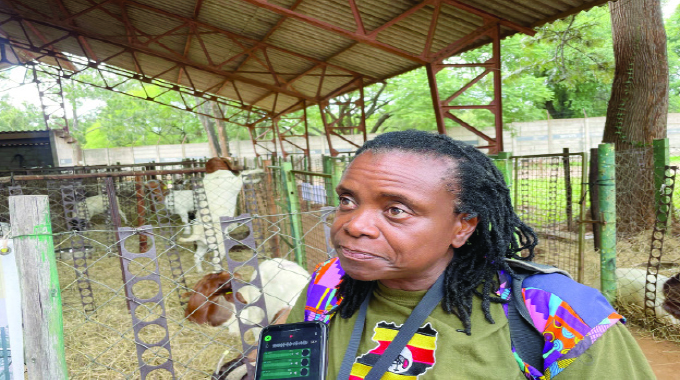
Speaking on the sidelines of the just-ended Zimbabwe International Trade Fair (ZITF), the chairperson of the Goat Breeders Association of Zimbabwe, Mrs Sifiso Agbetorwoka, said goat breeding is a profitable commercial enterprise, but low uptake by farmers is slowing the growth of the industry.
“There is a huge shortage of goats and goat meat in Zimbabwe. Our national herd is sitting at about five million, while Ethiopia, Africa’s largest exporter of goat meat, boasts 52 million goats. This shows just how far behind we are.
“We really need to up our game, and we can only do this by encouraging farmers to start by joining our training sessions and attending our conferences to learn the ropes of effective goat production,” she said.
According to Industry Trends and Forecast 2031, the global goat meat market is expected to grow significantly between 2024 and 2031, presenting a window of opportunity that Zimbabwean farmers can seize — provided production is scaled up.
Mrs Agbetorwoka, an avid breeder, who runs Bulembe Farm in Fort Rixon, Matabeleland South, stressed that boosting herd numbers alone would not suffice, adding that quality is just as crucial.
“Our ambition is to grow the national herd to at least 20 million in the next five years. But beyond numbers, we must maintain high breeding standards to compete internationally. Quality goat meat and live goats are in demand, especially in countries like Malawi, Uganda and Angola, where there is a market for superior genetics,” she said.
One of the major challenges hampering growth is the high mortality rate of goat kids, standing at between 20 to 25 deaths per 100 births. Mrs Agbetorwoka said efforts must be directed at reducing this figure to 10 percent or lower through improved farming practices.
“The mortality rate is a big deterrent for new entrants into goat farming. Through proper training and access to information, farmers can lower kid mortality and boost their profits,” she said.
To bridge the knowledge gap, the Goat Breeders Association of Zimbabwe is actively engaging farmers through training sessions, conferences and mentorship programmes, with a particular focus on young people. Mrs Agbetorwoka said the association is in the process of building a youth council to encourage young farmers to embrace goat production.
“As an association, we have taken it upon ourselves to build youth representation within the Goat Breeders Association of Zimbabwe because we really want them to take up goat farming. Young people have age and energy on their side, and they have access to technology compared to the older generation of goat farmers. They possess the energy, technological access, and innovative skills that can transform the industry,” she said.
With the right investment in training, herd management and breeding standards, she believes Zimbabwe could become a major player in the global goat meat market, creating jobs, enhancing rural incomes and contributing to national economic growth.