Online Reporter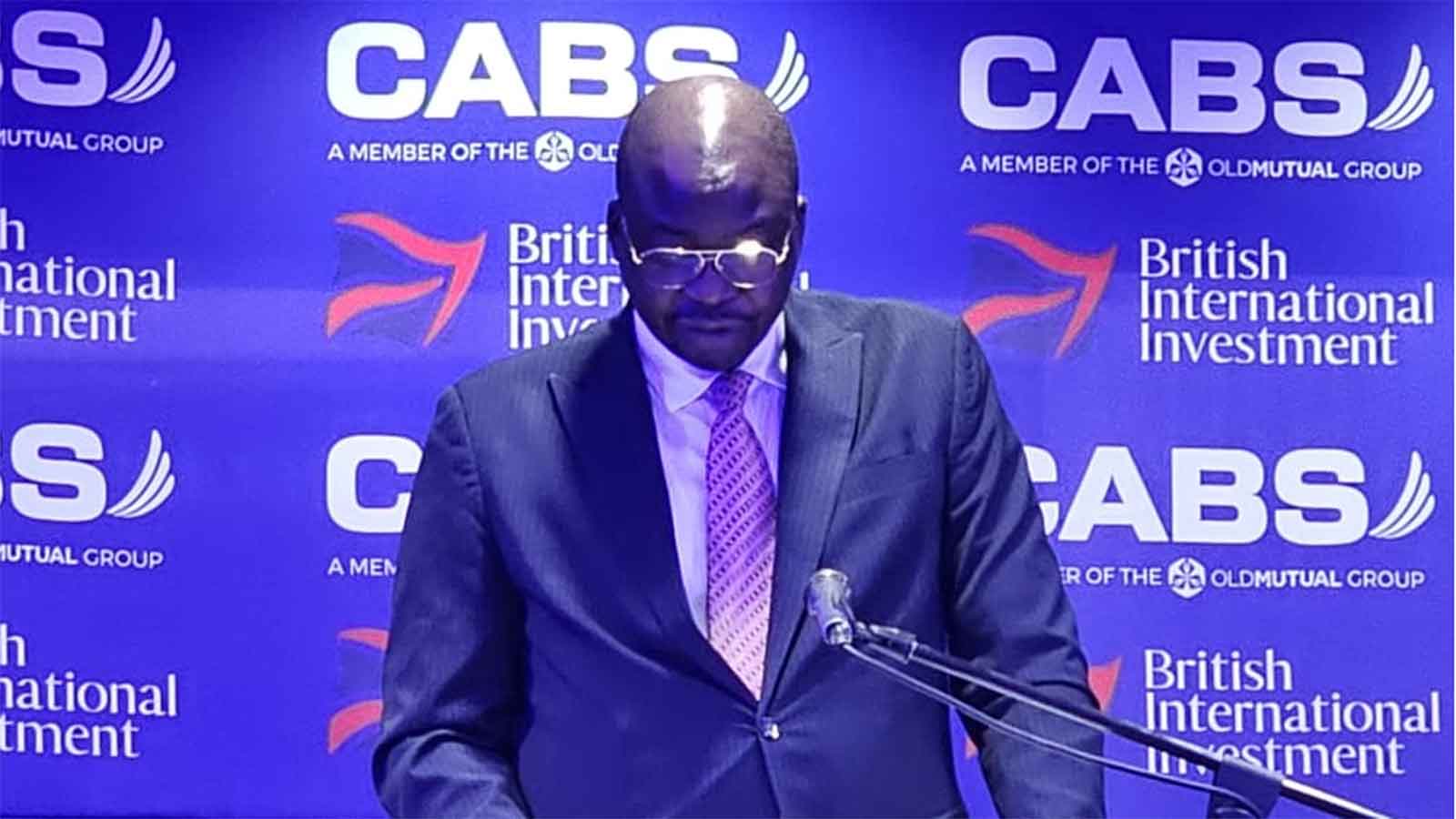
Business Reporter
The Government has ruled out compelling holders of foreign currency accounts to convert their balances, as Zimbabwe prepares to move to a mono-currency, with two senior officials insisting there is no risk to depositors.
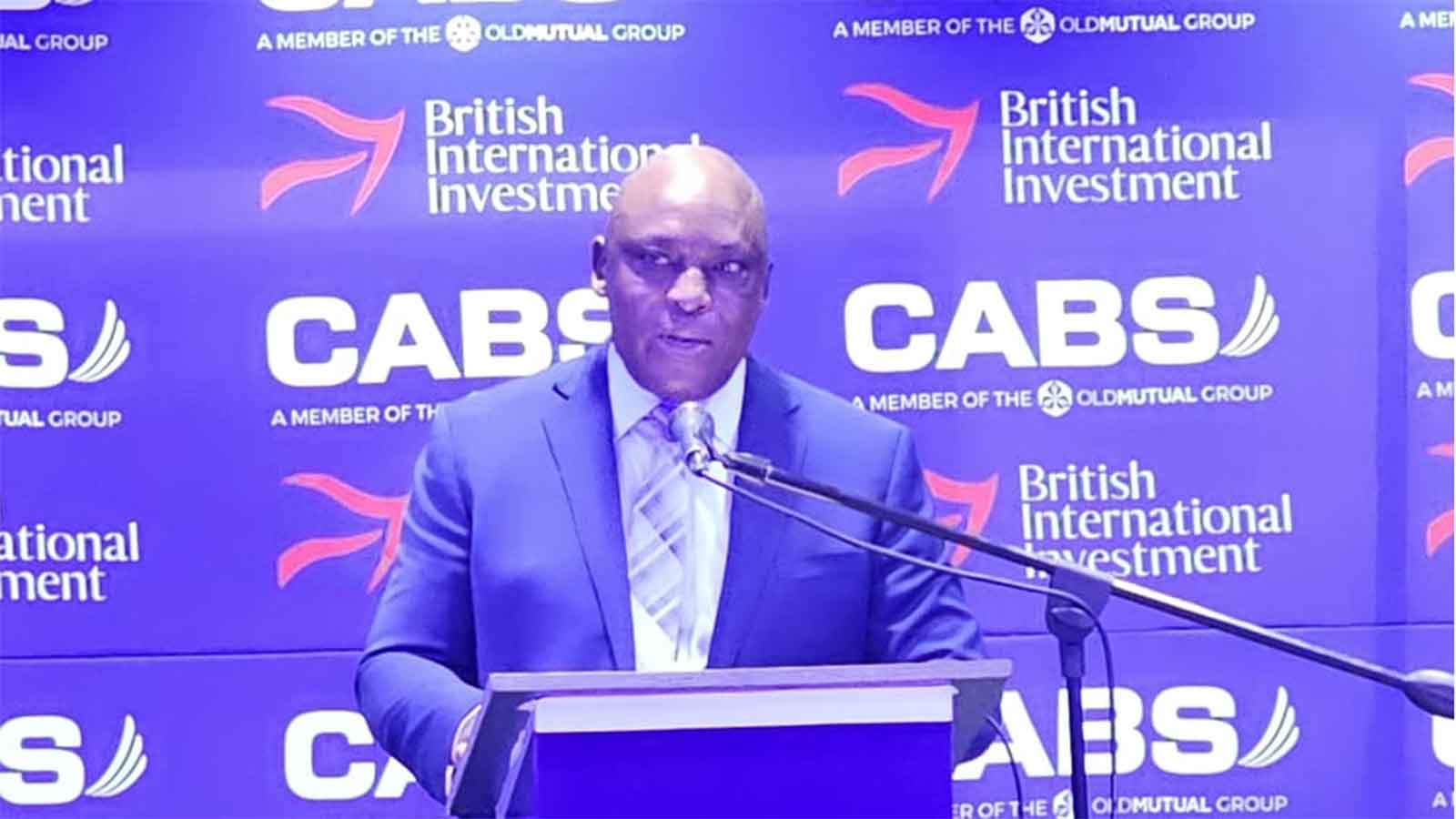
The reassurances were delivered at the signing of a US$30 million facility between CABS and British International Investment (BII), the UK’s development finance institution — an occasion officials used to address what one described as the single biggest concern for investors.
Reserve Bank of Zimbabwe Governor Dr John Mushayavanhu said there was no risk at all from the transition. Permanent Secretary in the Ministry of Finance, Economic Development and Investment Promotion, Mr George Guvamatanga, went further, telling banks not to panic and confirming that obligations would be honoured in the currency in which agreements were originally signed.
“That position is the position of Government,” Mr Guvamatanga said.
Mr Guvamatanga said only one element of the current arrangement would change. Local transactions would be conducted in local currency, while offshore transactions could continue in foreign currency and account holders would retain their balances.
“If you then decide to transact locally, then you have to convert into the local currency. But everything else will remain the same,” he said.
He said foreign currency accounts were not a new phenomenon, noting that they had existed alongside the local currency for exporters and individuals, and were previously known as free funds.
The public reassurance from two of the country’s most senior economic officials, at an event ostensibly about development finance, points to the sensitivity of the currency question among depositors and investors.
The facility signed with BII will allow CABS to provide affordable long-term trade finance and capital expenditure loans to small and medium-sized enterprises, and to support export-focused customers in agriculture and food manufacturing seeking to replace machinery and expand capacity.
A third strand will direct resources towards clean energy and sustainable agriculture. CABS has provided about US$100 million in funding to the agricultural sector as at 30 June 2026.
Maria Smith, Chief Investment Officer at BII, said Zimbabwe was the kind of market where development finance could have the greatest impact, citing strong entrepreneurial talent and growth potential alongside persistent constraints on access to finance. The facility forms part of BII’s newly launched Zimbabwe Agricultural Finance Programme.
Mr Guvamatanga said annual headline inflation fell to 4.1 percent in January 2026, bringing local currency inflation into single digits for the first time in more than three years. Inflation stood at 2.9 percent for August, with September figures showing 3.7 percent — among the best performances in the region, he said.
The economy is projected to grow by approximately 5 percent in 2026, having grown by 8.3 percent in 2025.
Mr Guvamatanga also cited Zimbabwe’s election as a non-permanent member of the United Nations Security Council for 2027–2028 and its removal from the World Bank Group’s list of fragile and conflict-affected economies in July 2026, saying the improving macroeconomic environment was expected to attract more foreign direct investment.
He encouraged beneficiaries of the facility to use it to increase output, ensure food and nutrition security and generate export revenue, and urged them to adopt sustainable production methods ahead of expected El Niño conditions.