Prosper Ndlovu in MOSCOW, Russia
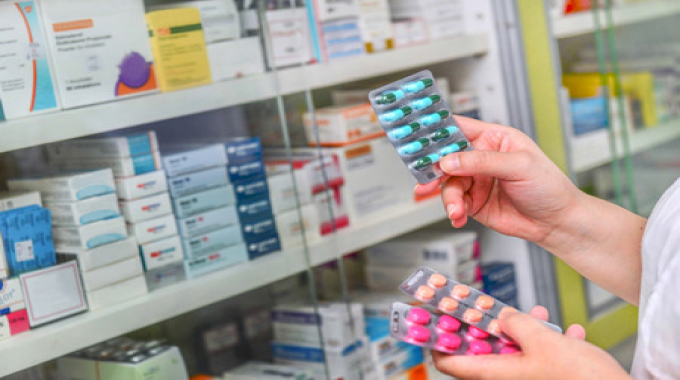
ZIMBABWE is seeking to attract Russian pharmaceutical companies to establish manufacturing operations locally as Government intensifies efforts to reduce reliance on imported medicines through technology transfer, skills development and strategic health partnerships.
The initiative is part of a wider shift in Zimbabwe’s health cooperation with Russia, with discussions also focusing on specialised medical training, equipment support, regulatory cooperation and strengthening the country’s healthcare delivery systems.
In an interview after a closed-door meeting in Moscow yesterday, Health and Child Care Deputy Minister Sleiman Kwidini said Zimbabwe wanted to move beyond importing medicines and medical equipment towards developing its own production capacity.
He said the discussions with Russian Health Minister Mikhail Albertovich Murashko and a tour of Pharmasyntez-Nord Group in St Petersburg by a delegation led by Vice-President Kembo Mohadi had opened opportunities for deeper cooperation. The engagements took place during VP Mohadi’s working visit to Russia, which is aimed at strengthening bilateral relations and expanding economic and diplomatic cooperation, building on economic diplomatic gains brokered by President
Mnangagwa under the Second Republic’s re-engagement and engagement drive. The visit cements growing ties between Zimbabwe and Russia as all-weather friends.
While Zimbabwe has long benefited from training of medical doctors and pharmacists in Russia, the new focus is on how that knowledge translates into local production and systems strengthening.
“The most thing, which was discussed in there was knowledge exchange. There are more issues to be discussed on because we don’t want the situation as a country to keep on buying and buying without having us producing locally,” said Deputy Minister Kwidini.
“So, we have agreed that in those areas where they are good we can send our own people to come and learn as a knowledge transfer then they can even also send their people where we think there is need to come and impart knowledge with them to give to our own people like what we’re doing with other countries.
“Egyptians have come and we’ve got heart surgery and so forth. So, this is the same scenario, which we’re discussing because everyone knows that Russia is our all-weather friend. So, there is no doubt that they can give us the expertise which we want.”
Under this model, Zimbabwean professionals will be sent to Russia for specialised learning, while Russian experts will be deployed to Zimbabwe to train local teams on site.
Beyond training, Russia has already delivered equipment support to the country. Deputy Minister Kwidini said Russia has donated mobile laboratory equipment, for instance, a critical incentive as Zimbabwe plans to construct its own diagnostic facilities. Russia has also assisted Zimbabwe in establishing the Helidrive Air Ambulance model, which has cut patient transfer delays by about 90 percent.
“Russia has donated a mobile laboratory equipment, which is one of the incentives, which produces some of that equipment, which we need back home because we intend to construct them. Before construction, people still need to receive these medical diagnoses and management through these machines,” said Deputy Minister Kwidini.
On local drug manufacturing, the deputy minister said the Government wants Russian firms like Pharmasyntez-Nord to come and produce in Zimbabwe to fill gaps in local manufacturing. He said
discussions also covered regulatory differences and procurement linkages.
“Our main objective is for that company or the Russian companies, manufacturing companies to come down to Zimbabwe to manufacture or produce drugs also to fill in the gap we have with our own manufacturing companies. So, obviously these operations need to be discussed in a way,” he said.
“The Russia Ministry regulates issues to do with medicines, which is different from our country where the Medicines Control Authority of Zimbabwe is the one that does regulations. So, definitely it’s also like the other issues we’re discussing …to make sure how it can interlink with these manufacturing companies from Russia, so that they procure direct from manufacturers and also have a roadmap.”
Deputy Minister Kwidini said Zimbabwe’s central location in Southern Africa and its chairmanship of COMESA gives it a market advantage for such production, with cheap road transportation and growing regional demand.
“How can this company come back home to produce in Zimbabwe since you are aware that now geographically Zimbabwe is situated where it is central for marketing especially in Southern Africa where there is cheap mode of transportation of these trucks and as you are aware also that now Zimbabwe is the chairperson of COMESA,” he said
“These are some of the issues we are discussing with them to show them that how that market is going to be achievable because the market is determined by the demand. The closer to the people the more the demand and the more opening of the market.
“So, all the things were being discussed, they (Russians) do various things, but as a nation we’ve seen out of what they’ve proposed, it’s us as a Government now to go and prioritize, which areas we need first as we move forward.”