Online Reporter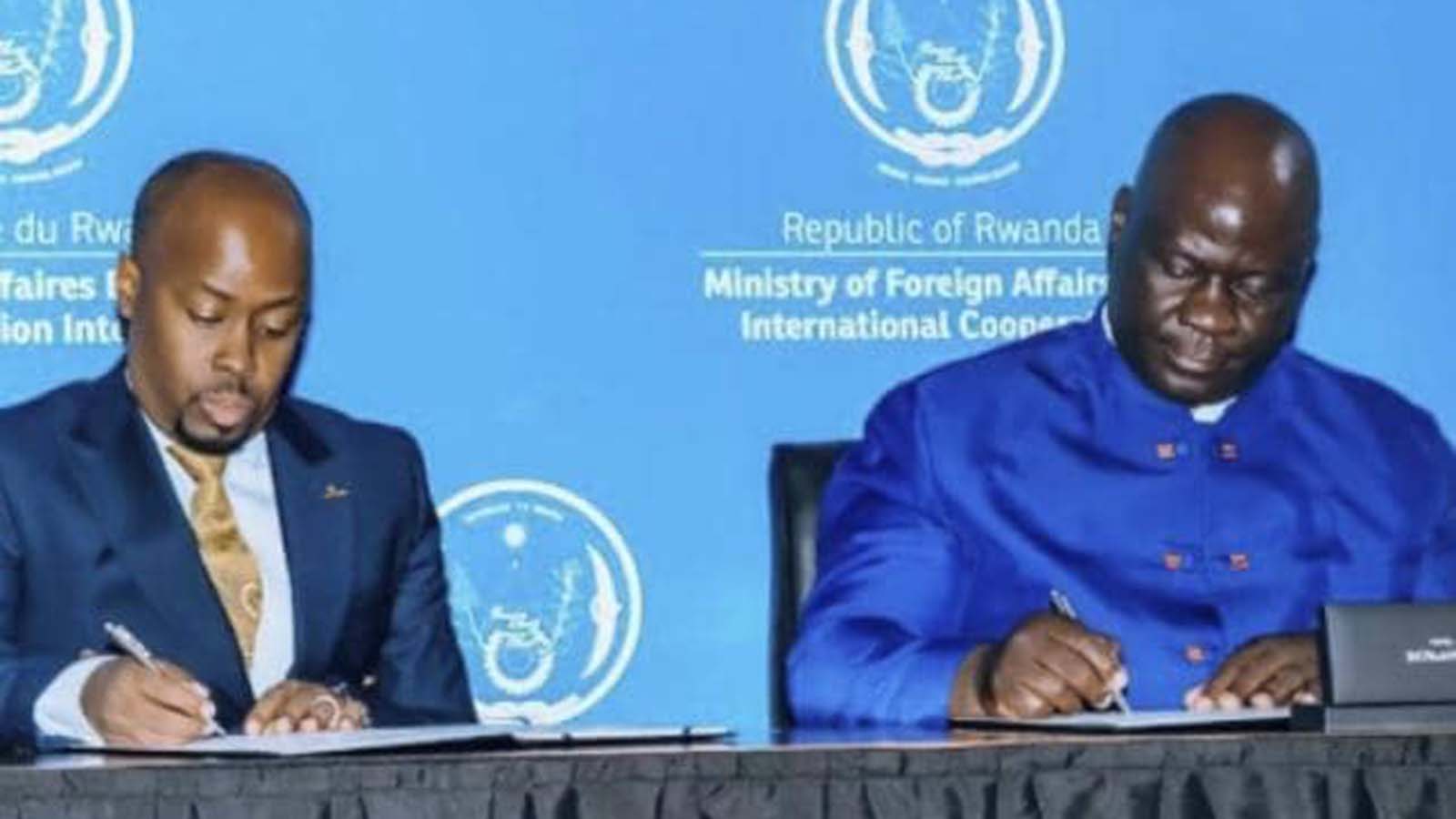
Herald Correspondent
ZIMBABWE, Rwanda and the Republic of the Congo have signed a Mutual Recognition Agreement (MRA) aimed at facilitating trade among the three countries through the alignment of standards and the mutual recognition of product certification systems.
The agreement was signed recently following the conclusion of a three-day meeting of the African Organisation for Standardisation (ARSO) Technical Committee 53, which focused on the standardisation of textiles, textile products and accessories.
The arrangement is expected to strengthen cooperation in standardisation, metrology and conformity assessment, allowing products tested and certified in one country to be accepted in the others without the need for repeated testing.
Speaking during the signing ceremony, Rwanda Standards Board (RSB) director-general Dr Raymond Murenzi said the agreement opens new opportunities for businesses across the three countries while advancing the broader goals of the African Continental Free Trade Area (AfCFTA).
“This builds a wave for business communities in these countries to trade together as we endorse and prioritise the operationalisation of the trade facilitation ecosystem under the AfCFTA mutual recognition agreements,” he said.
Dr Murenzi added that the agreement supports the continental vision of “one standard, one test, one certificate accepted everywhere in Africa”.
Standards Association of Zimbabwe (SAZ) director-general Mr Cosmus Mukoyi said the agreement complements existing trade relations between Zimbabwe and Rwanda and will significantly expand market access for businesses.
“Once a Rwandan product comes with a standard mark from Rwanda, we will not test it again when it enters Zimbabwe. This will facilitate the smooth movement of goods between our two countries,” he said.
Mr Mukoyi said the mutual recognition framework was an important step towards eliminating technical trade barriers that often slow down the movement of goods across African borders. “What this agreement does is remove duplication of processes. If a product has already been tested and certified in Rwanda or the Republic of the Congo in line with agreed standards, our systems will recognise that certification,” he said.
“This means businesses will save time and money that would otherwise be spent on repeated laboratory tests and inspections, and that ultimately lowers the cost of doing business across our borders.”
He said harmonised standards would also enhance trust in products manufactured within the region.
“Standards are about confidence in products. When we recognise each other’s certification systems, we are essentially saying that our institutions trust one another’s processes and technical competence,” he said.
“This is critical for strengthening intra-African trade because it assures consumers and regulators that goods circulating within our markets meet the same quality and safety requirements,” said Mr Mukoyi.
He added that trade between Zimbabwe and Rwanda is currently dominated by electrical products, but both countries are seeking to broaden cooperation into other sectors.
“At present, electrical products form a significant component of trade between Zimbabwe and Rwanda,” he said.
However, there is strong potential to expand into textiles, clothing, and other manufactured goods as our industries continue to grow.
“We are also looking at strengthening cooperation in manufacturing because industrial development is key to ensuring that Africa trades more with itself rather than relying heavily on imports from outside the continent.”
Rwanda’s Minister of Trade and Industry, Prudence Sebahizi, said improving production capacity across African countries remains essential for boosting intra-African trade.
While several frameworks have been put in place to facilitate trade across the continent, he said Africa must also increase its capacity to produce goods locally.
“At the outset, the market cannot succeed if we are still consuming what is coming from outside Africa. That is why intra-African trade is still very low,” he said.