daniel chigunwe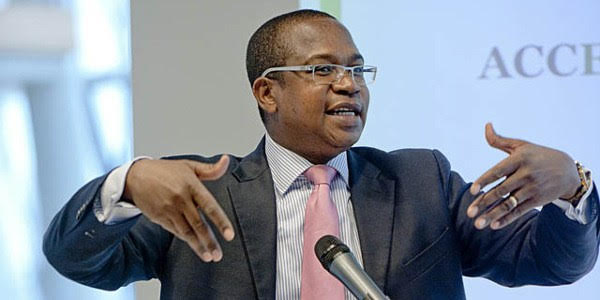
Business Writer
Zimbabwe is currently in negotiations with financial institutions to secure a bridge loan of up to US$2 billion, Finance, Economic Development and Investment Promotion Minister Professor Mthuli Ncube has said.
The purpose of the loan is to settle outstanding debts with certain creditors, paving the way for renewed financial support from these institutions, Minister Ncube said in interview with Bloomberg TV last week.
Zimbabwe has been grappling with a significant debt burden for years. Estimates suggest the total consolidated debt sits around US$17,5 billion, with arrears owed to international creditors like the World Bank, the International Monetary Fund and African Development Bank a major component. The debt overhang has severely limited the country’s access to fresh financing and investment, hindering economic growth.
Minister Ncube remained tight-lipped regarding the identities of the “sponsors” involved in the bridge loan discussions.
He did, however, indicate that some institutions have already expressed their agreement to participate.
The meetings of the Structured Dialogue Platform (SDP), focused on resolving Zimbabwe’s debt burden, are already ongoing and significant progress has already been made, Minister Ncube said.
Launched in December 2022, the SDP serves as a platform for Zimbabwe’s government, creditors, and development partners to engage in constructive dialogue. This dialogue centers on economic and governance reforms that are crucial for clearing arrears and ultimately resolving the country’s debt challenges.
The initiative is spearheaded by Dr. Akinwumi Adesina, President of the African Development Bank (AfDB).
Joachim Chissano, former president of Mozambique, plays a facilitating role to ensure productive discussions between all involved parties
The SDP meetings have been focusing on three key areas crucial for addressing Zimbabwe’s debt: economic reforms, governance reforms, and land tenure reforms. To delve deeper into these areas, three dedicated sector working groups have been established.
Each working group has developed a “policy reform matrix” outlining specific reforms needed within their respective pillar.
The economic reforms pillar, co-chaired by the Government, the World Bank, and the IMF, tackles issues related to economic growth and stability.
The governance reforms pillar, co-led by the Ministry of Justice and the European Union, focuses on strengthening transparency and accountability.
Finally, the land tenure reforms pillar, co-chaired by the Office of the President and Cabinet along with the UNDP and Switzerland, addresses land ownership and management issues.



 Online Reporter