Sidumisile Mabena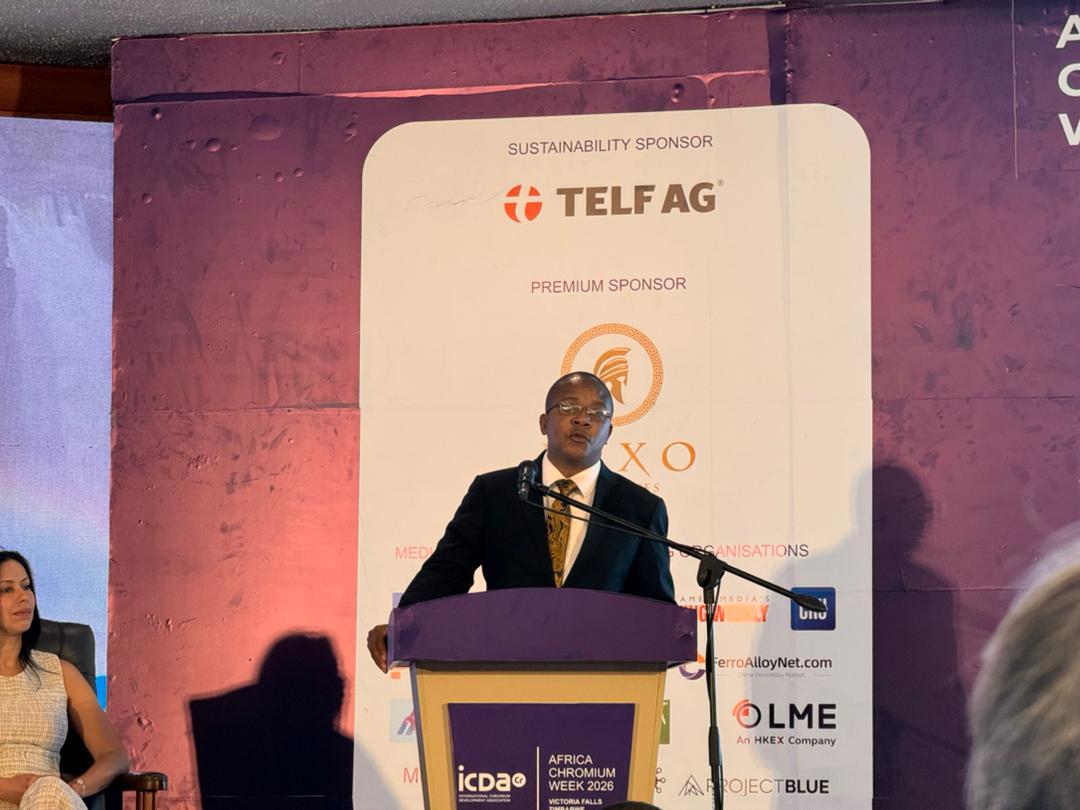
Rutendo Nyeve, [email protected]
ZIMBABWE will no longer export jobs, value and industrial potential in the form of raw minerals, but will instead focus on building a robust ferrochrome industry anchored on local smelting, technology upgrades and strategic partnerships, Mines and Mining Development Minister Polite Kambamura has said.
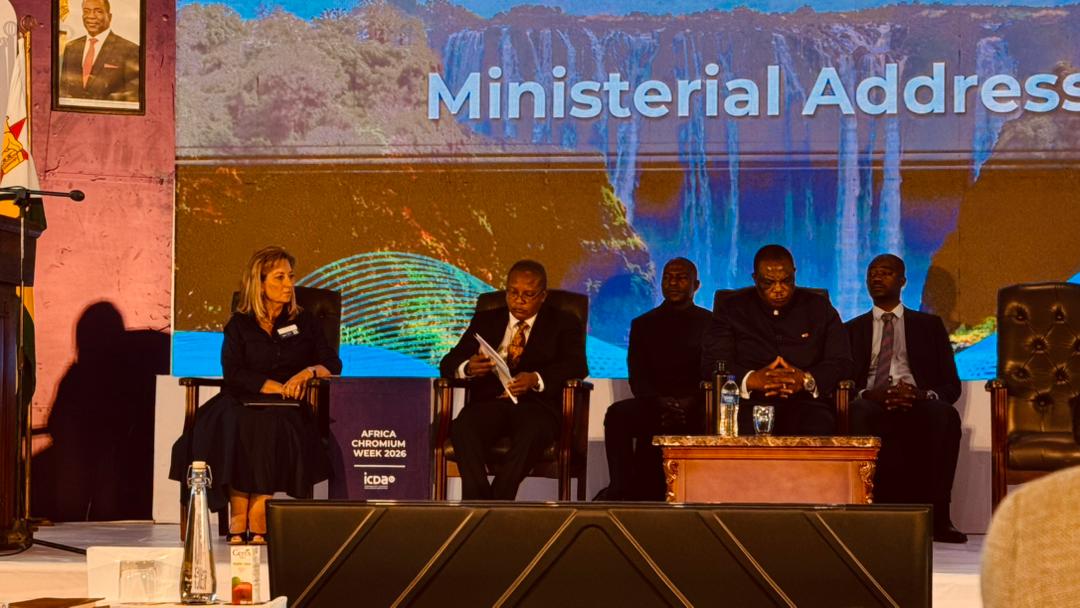
Speaking at the official opening of the Africa Chromium Week Conference in Victoria Falls, Minister Kambamura said the country has adopted an irreversible policy shift from being a raw mineral exporter to becoming a competitive beneficiation hub.
“Our position is clear: Zimbabwe will no longer export jobs, value and industrial potential in the form of raw minerals,” he said.
“Instead, we are building a robust ferrochrome industry anchored on local smelting, technology upgrades and strategic partnerships.”
Zimbabwe holds approximately 12 to 13 percent of global chrome reserves, making it the second-largest holder in the world.
The country currently operates 17 ferrochrome smelting plants and, in 2025, recorded ferrochrome exports of 433 293 metric tonnes, reflecting a 19 percent year-on-year increase.
Major projects driving the beneficiation agenda include the Palm River Energy Metallurgical Special Economic Zone in Beitbridge and the Manhize Steel Plant in Mvuma. Local company African Chrome Fields is also advancing ultra-low carbon ferrochrome technologies developed within the country.
Minister Kambamura said current smelter capacity utilisation stands at around 68 percent, highlighting the need for increased investment and policy support to close the gap.
Global ferrochrome demand is estimated at approximately 14,92 million tonnes per annum, while Zimbabwe contributes between 0,25 and 0,45 million tonnes, indicating significant potential for growth.
“Value addition is no longer an option; it is the foundation of our national strategy,” he said.



 Online Reporter