Online Reporter
Business Reporter
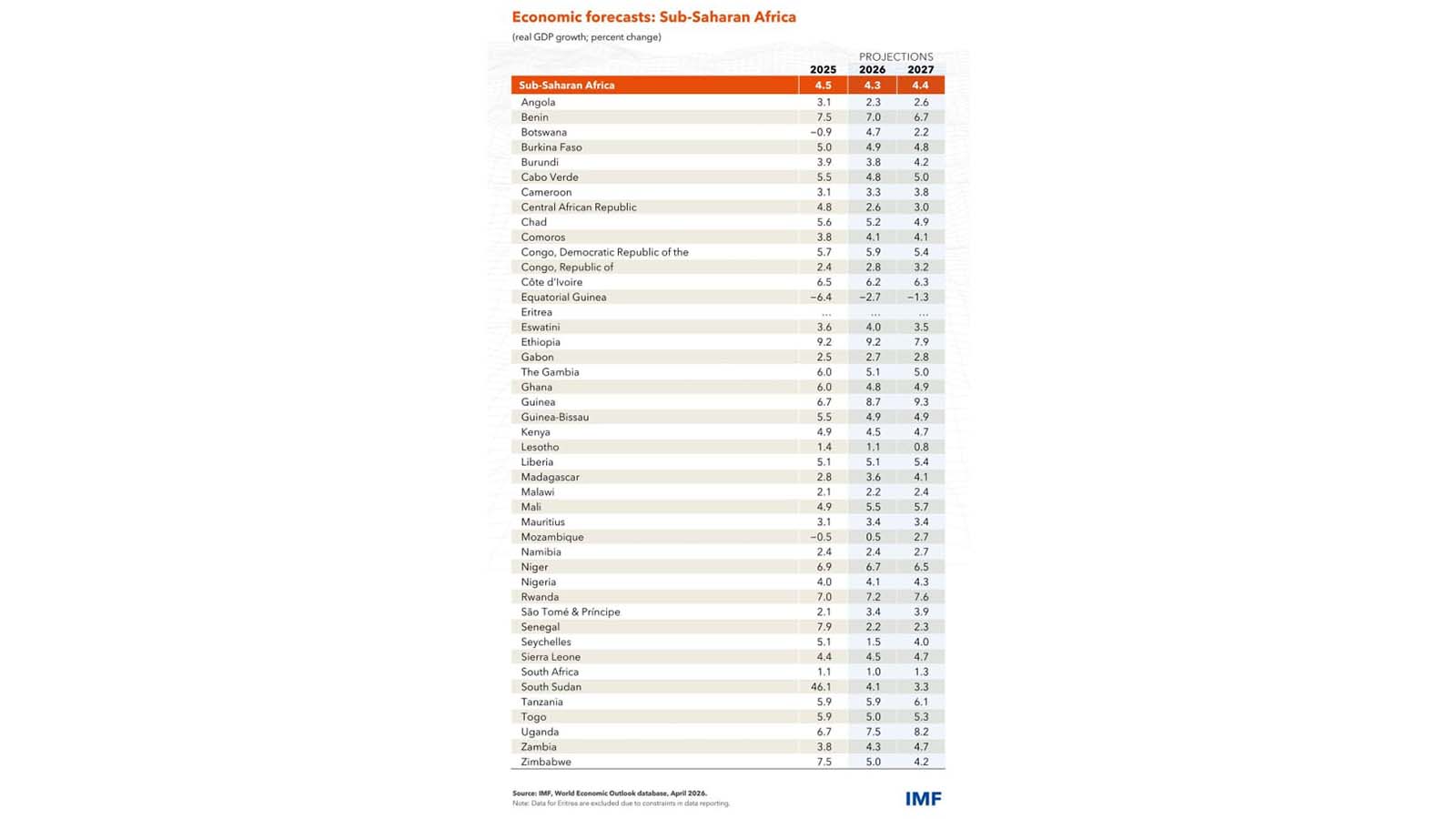
Zimbabwe’s economy grew by an estimated 7, 5 percent in 2025, according to International Monetary Fund data released yesterday – comfortably beating Government’s original 6, 6 percent target – and the momentum has carried into 2026.
The figures, published in the IMF’s latest World Economic Outlook, come as the global lender has thrown its weight behind Harare’s economic revival in a major confidence boost.
The 7, 5 percent estimate for 2025 exceeds the projection previously cited by Finance, Economic Development and Investment Promotion Minister Mthuli Ncube, who told virtual media briefing this week on the sidelines of the IMF-World Bank spring meetings that the country’s growth would surpass 6, 6 percent, with final figures due next month.
“We did better than the 6, 6 percent for sure,” Minister Ncube said.
The stronger-than-expected outturn was driven by high gold prices and recovering platinum and lithium output, alongside sweeping efficiency gains from the Zimbabwe Revenue Authority’s new digital tax collection system, known as the Tax and Revenue Management System (TaRMS).
The growth trajectory has continued into the first quarter of 2026, with Finance Permanent Secretary George Guvamatanga revealing that revenues surged 24 percent above target. He attributed the performance to the digital overhaul, tighter border controls and measures to combat tax avoidance.
Tight monetary policy and stronger agricultural output have helped push annual inflation down to 4, 4 percent by March this year, the IMF said.
Officials hope the signal of improved macroeconomic management will unlock support from international donors and lenders.
Mr Guvamatanga said the strong fiscal performance meant the government could balance its books and continue critical programmes, despite having surrendered some revenue to cushion citizens from fuel price increases.
While the IMF projects growth will slow to 5, 0 percent in 2026 and 4, 2 percent in 2027, Minister Ncube dismissed concerns over global economic headwinds, saying: “When agriculture performs, many other sectors – manufacturing, power, tourism – also do well. We don’t see a big impact from global shocks.”