Gibson Mhaka in MOSCOW, Russia
ZIMBABWE stands to benefit from Russia’s planned establishment of 10 educational and skills development centres across Africa by 2028 to strengthen technical training, industrial capacity and employment creation, while exploring opportunities in aquaculture, textile manufacturing and technology transfer.
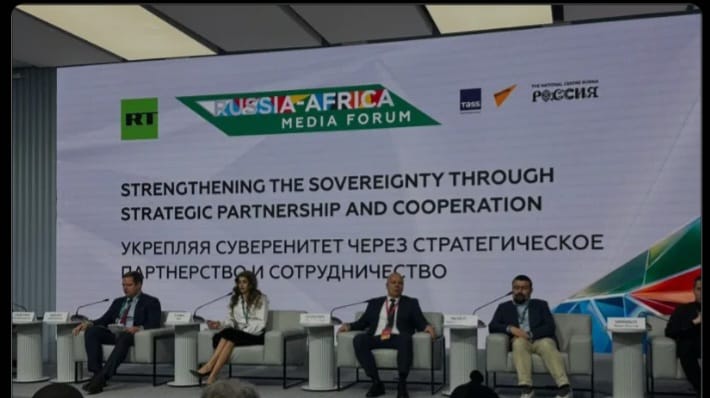
The initiative, unveiled here at the Russia-Africa Media Forum under the theme “Strengthening Sovereignty through Strategic Partnership and Cooperation”, forms part of Moscow’s broader efforts to deepen economic ties with African countries.
Synergy Corporation president Vadim Lobov said the proposed centres would provide comprehensive assistance to African students, from university selection and preparatory courses to visa processing and support through graduation and employment.
“The mission of the centres is to become the main institute of support for African students of a full cycle, from the selection of universities and preparatory courses to visa registration and support,” he said.
Lobov said the programme would be coordinated through a digital platform developed with IVA Corporation, while partnerships with African colleges, businesses and education ministries would help expand its reach.
For Zimbabwe, the initiative could create opportunities to develop skills in engineering, mining technology, agricultural mechanisation and digital manufacturing, areas that could support industrialisation and economic growth.
Local universities and vocational training institutions could explore partnerships with Russian counterparts to align technical education with industry requirements. However, Zimbabwe’s participation in the programme has not yet been confirmed.
Beyond education, Russia is seeking to expand cooperation through blue economy technology hubs focusing on offshore oil and gas, mineral exploration, shipping, port infrastructure, fisheries and aquaculture.
Nikolai Shabalin, director-general of the Centre for Marine Research at Lomonosov Moscow State University, said the proposed hubs would help African countries utilise marine resources sustainably.
“We plan to develop these technologies without undermining nature and its resources,” he said.
Shabalin said discussions were underway with authorities in Seychelles, Tanzania and Zanzibar to establish hubs reflecting their economic priorities, including tourism, aquaculture and offshore energy.
Although Zimbabwe is landlocked, the initiative could offer lessons and opportunities in inland fisheries, aquaculture and water-resource management.
Lake Kariba and other reservoirs support fishing, tourism and livelihoods, making improved fish farming, hatchery management and processing potential areas for technical cooperation. Such developments could strengthen food security, create employment and support rural enterprises.
Cultural exchanges and manufacturing also featured prominently at the forum.
Russian artist Alina Sanko said cultural cooperation could strengthen relations beyond conventional economic partnerships.
“When we talk about strategic partnership between states, most often, we talk about economy, energy, logistics, trade.
“But what will make us not just partners, but real friends? In my opinion, it’s culture and art,” she said.
Sanko disclosed that she had completed nine paintings depicting African leaders, including Nigerian President Bola Tinubu, for the summit.
Meanwhile, SHISHKIN Group and Putin Team Brand founder Dmitry Shishkin highlighted opportunities in fashion manufacturing, particularly digital garment production designed to improve productivity and reduce waste.
For Zimbabwe, such technologies could help modernise clothing production, strengthen the cotton value chain and create technical opportunities for young people.
The potential benefits, however, will depend on concrete agreements, investment and Zimbabwe’s ability to secure partnerships that translate continental cooperation into local economic gains.