Sikhumbuzo Moyo, [email protected]
ZIMBABWE has reached more than 36 000 learners, teachers, parents and community leaders through its child protection programmes this year, as Government intensifies efforts to tackle violence against children both inside and outside schools.
The initiative, implemented under the Safe to Learn programme, is part of a major shift towards community-based prevention, with Government seeking to address harmful social norms, gender inequalities and practices that expose children to abuse.
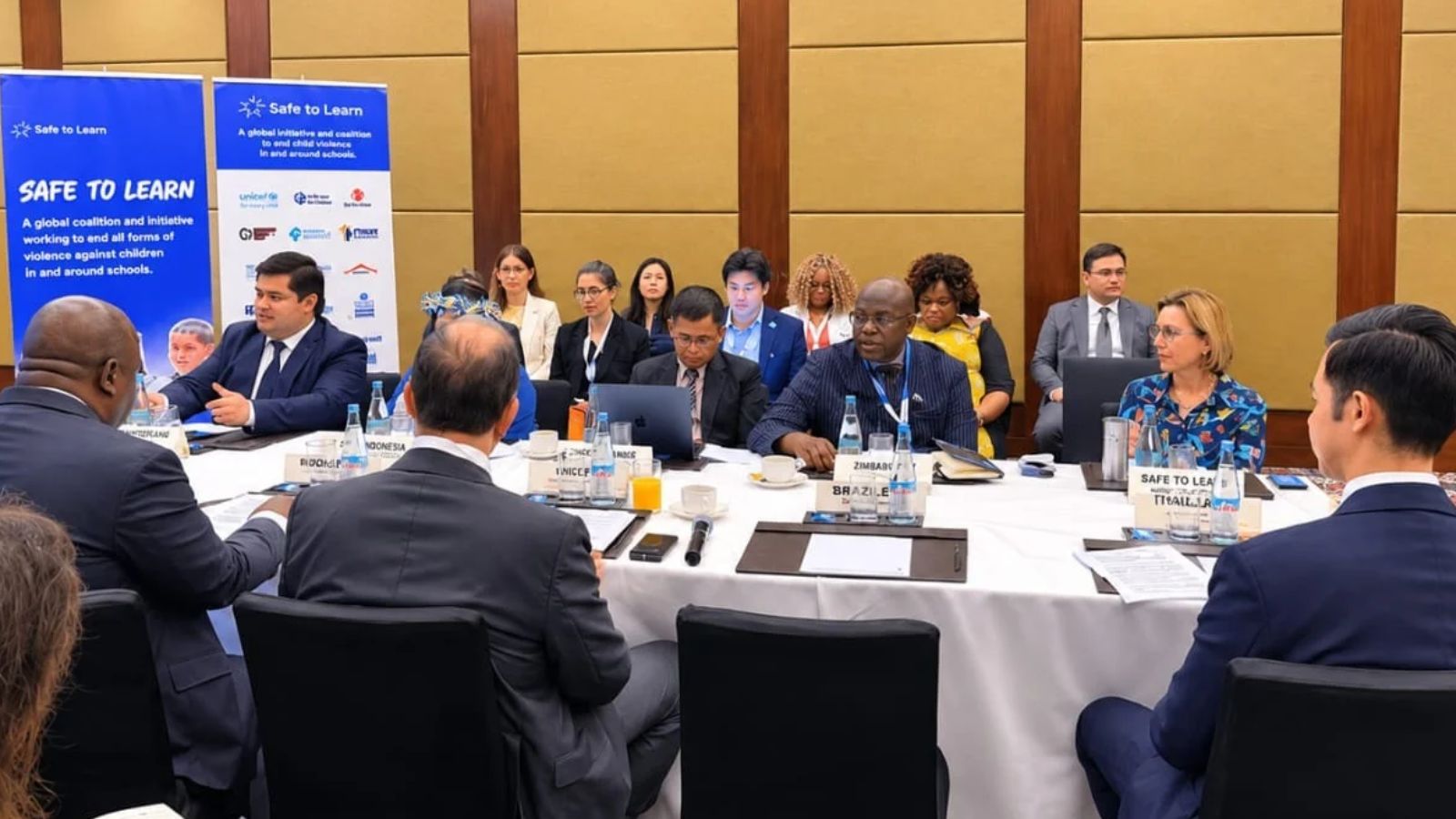
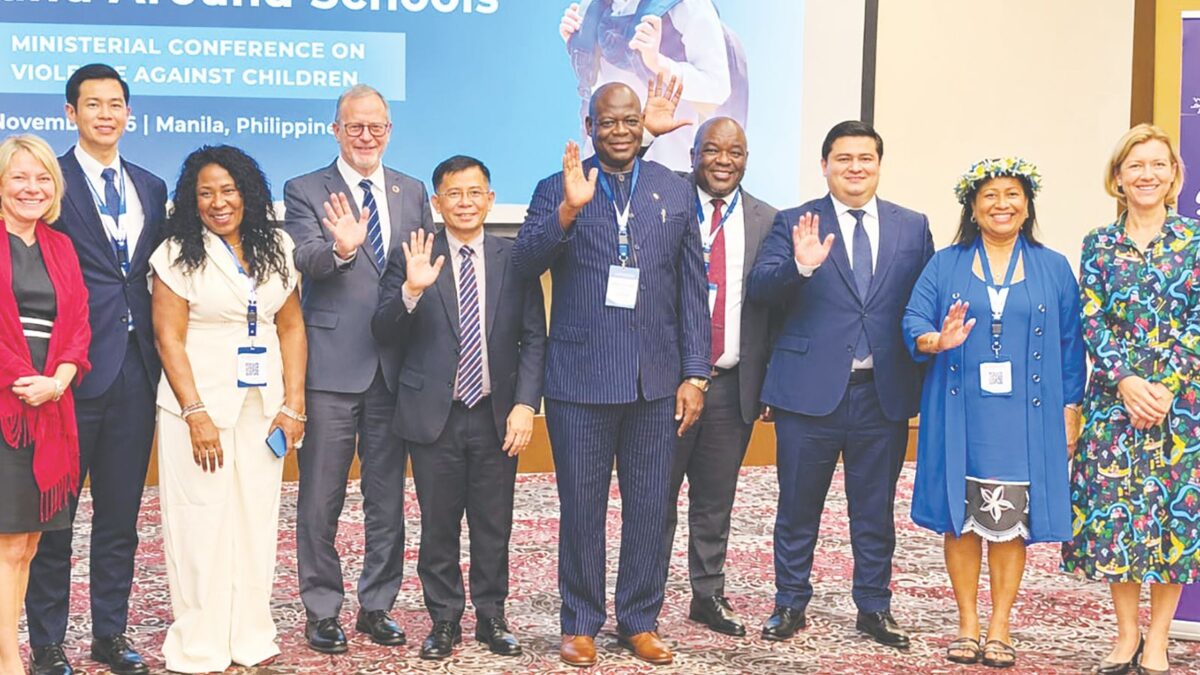
Addressing delegates at the just-ended Second Global Ministerial Conference on Ending Violence Against Children in Manila, Philippines, on Thursday, Primary and Secondary Education Minister
Torerayi Moyo said protecting learners required collective responsibility involving schools, families and communities.
He said legislative measures alone were insufficient to end violence against children without changing attitudes and behaviours that perpetuate abuse, discrimination and unequal power relations.
“We are therefore pursuing a whole-school and whole-community approach that recognises school leaders, teachers, parents, communities and young people as essential partners in cultivating a culture of respect, safety, equality and non-violence,” said Minister Moyo.
He said the Safe to Learn initiative had reached more than 36 000 stakeholders across all 10 provinces this year, with engagements promoting gender equality, positive parenting, mutual respect and non-violent approaches to resolving conflict.
“These engagements promote gender equality, positive parenting, mutual respect and non-violent approaches to resolving conflict.
“They also create opportunities for communities to reflect on and challenge beliefs and practices that expose children, particularly girls and other vulnerable learners, to violence and abuse,” he said.
Minister Moyo said Zimbabwe’s commitment to safeguarding learners was anchored in the Education Act (Chapter 25:04), as amended by the Education Amendment Act of 2019, particularly Section 68A(5), which prohibits teachers from beating children.
Government was strengthening positive, restorative and child-centred disciplinary approaches that uphold the dignity, rights and wellbeing of every learner.
Teacher training, capacity-building programmes and continuous professional development were being used to equip educators with alternatives to physical punishment.
The ministry has also developed positive discipline guidelines for teachers, which are awaiting rollout and are expected to provide a framework for translating the principles into everyday school practices.
“We intend to ensure that discipline promotes responsibility, mutual respect and positive behavioural development, rather than fear or physical punishment,” said Minister Moyo.
He said the Not in My School Campaign was complementing the interventions by challenging violence, bullying, discrimination and abuse, while encouraging learners, educators, parents and communities to take collective responsibility for safe and inclusive learning environments.
The campaign is supported by safeguarding circulars, child protection procedures, guidance and counselling frameworks, as well as school health and wellness policies.
Government has also extended its child protection measures into the digital environment through the recently launched Online Safety and Empowerment Policy.
The policy seeks to protect learners from emerging online threats, including cyberbullying, online grooming, sexual exploitation, harmful content and violations of their privacy.
Digital safety competencies are being integrated into the curriculum, alongside guidance for teachers and parents, supervision of digital learning platforms and strengthened child protection mechanisms.
“Our intention is not merely to shield learners from the risks associated with the digital world, but also to equip them with the knowledge, skills and confidence to navigate it safely, responsibly and productively,” said Minister Moyo.
He said young people should also be actively involved in shaping the environments in which they learn and grow, rather than being treated merely as recipients of protection.