Online Reporter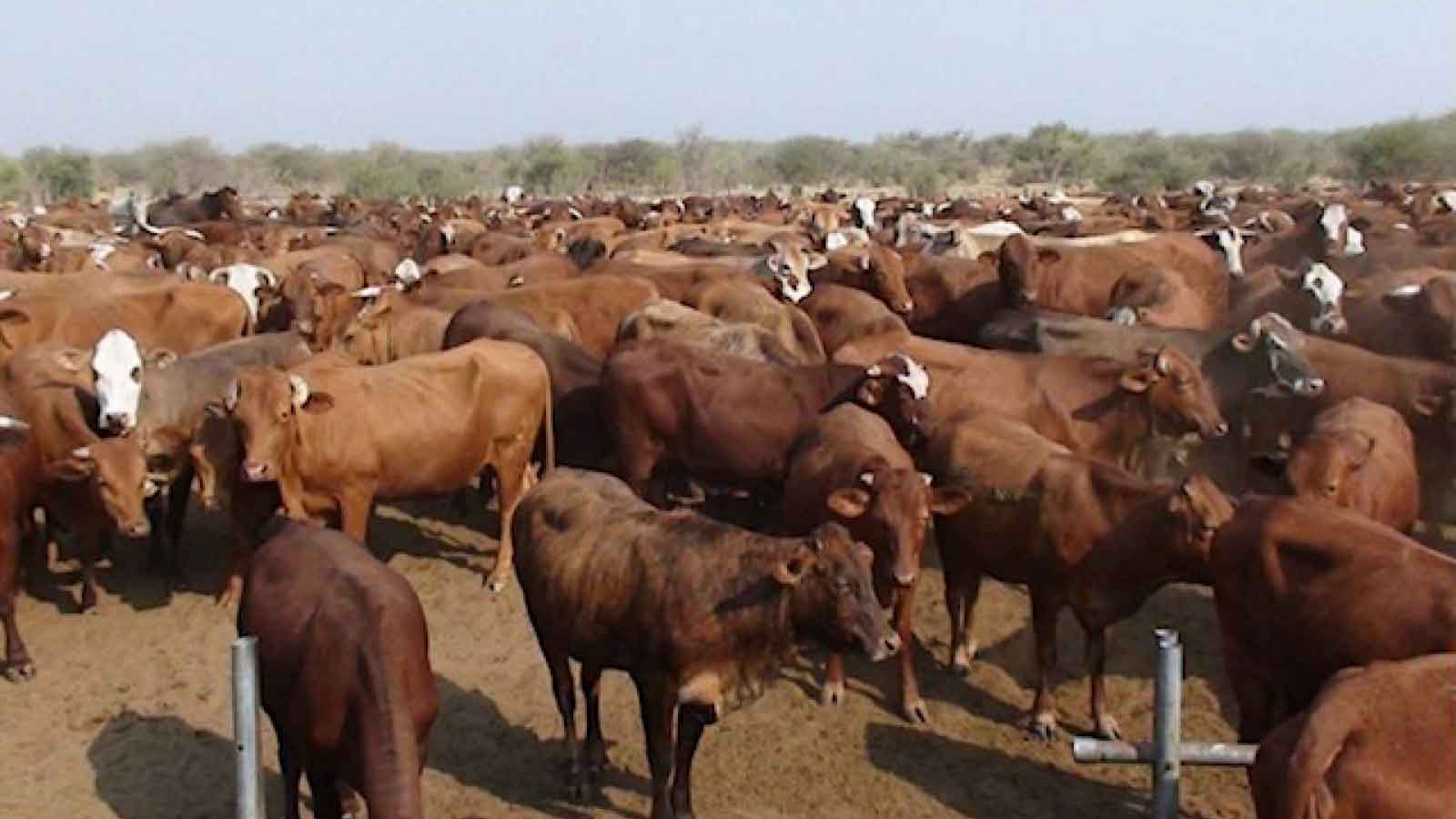
Theseus Mauruki Shambare
ZIMBABWE has vaccinated more than one million cattle against anthrax, surpassing its 2026 national target in a major boost to the Government’s Early Warning–Early Action (EWEA) strategy aimed at protecting livestock, rural livelihoods and public health from climate-induced disease outbreaks.
The country has vaccinated 1 025 063 cattle, exceeding the national target ahead of the 2026/27 summer season, when the anticipated El Niño phenomenon is expected to heighten the risk of anthrax outbreaks, particularly in drought-prone districts.
Permanent Secretary in the Ministry of Agriculture, Mechanisation and Water Resources Development, Professor Obert Jiri, said the vaccination campaign was central to the Government’s proactive approach to building a climate-resilient livestock sector.
“Zimbabwe has reached a major milestone in safeguarding livestock and public health after vaccinating 1 025 063 cattle against anthrax, surpassing the national 2026 vaccination target,” he said.
“The successful vaccination campaign forms part of the country’s national preparedness strategy for the 2026-2027 summer season, when climatic conditions associated with the anticipated El Niño phenomenon are expected to increase the risk of anthrax outbreaks.”
Prof Jiri said the achievement reflected the Government’s shift towards anticipatory action, with the Early Warning–Early Action framework focusing on identifying and addressing climate-related disease risks before they escalate into outbreaks.
Chief Director of Veterinary Services, Dr Pious Makaya, said Zimbabwe has identified 24 anthrax hotspot districts, including Kariba, Hurungwe, Binga, Buhera, Chiredzi and Chipinge, where vaccination has been prioritised.
“The programme combines disease surveillance, vaccination and community awareness to minimise livestock losses associated with climate variability and safeguard both animal and human health,” he said.
Anthrax, caused by the bacterium Bacillus anthracis, is a highly fatal zoonotic disease affecting livestock and humans. During prolonged dry periods, grazing animals are more likely to ingest dormant spores while feeding close to the ground, making early vaccination critical.
As Government strengthens disease preparedness, private sector players are also investing in climate-smart livestock production systems that complement national efforts to build resilience.
One such enterprise is George Mose Estates, which operates a modern commercial beef feedlot in Umguza and Nyamandlovu while combining premium beef production with cereal and horticultural farming and partnerships with small-scale farmers.
Livestock and Feedlot Manager, Mr Mkhululi Dube, said the company purchases cattle from communal farmers, manufactures its own livestock feed from crops grown on the farm and has invested in silage production to cushion both its herd and outgrower farmers during drought periods.
“What we are trying to do is produce good quality beef at affordable prices. We make our own feed so we can cut costs and supply good quality beef at a reasonable cost to our customers,” he said.
Mr Dube said the enterprise plans to establish satellite feedlots in Lupane and Binga to reduce transport costs for communal farmers while improving access to formal markets.
“We want farmers to travel shorter distances while still getting competitive prices,” he said.
He said George Mose Estates was also supporting communal farmers with silage during drought periods and currently works with between 25 and 30 regular cattle suppliers. The company plans to expand its feedlot capacity to 2 400 head of cattle over the next five years.
Prof Jiri urged livestock producers to vaccinate animals in high-risk areas, report sudden livestock deaths immediately and avoid slaughtering or consuming animals suspected to have died from anthrax.
He said the Ministry would continue strengthening surveillance, rapid response systems, vaccination programmes and farmer awareness under the Early Warning–Early Action framework, with collaboration between Government and the private sector expected to safeguard Zimbabwe”s livestock industry, food security and rural livelihoods against climate change.