Online Reporter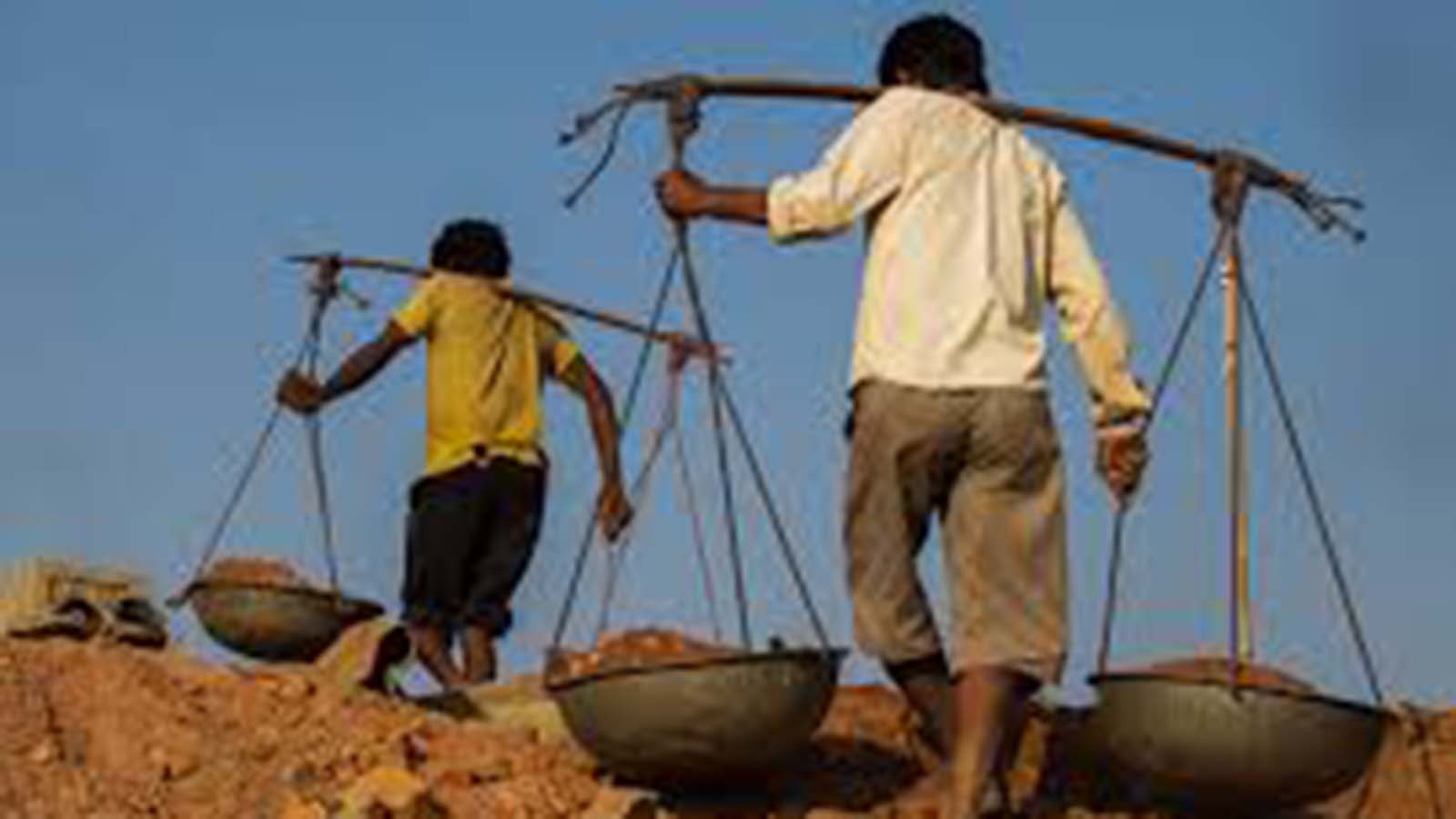
Theseus Shambare
The Government has strengthened legal measures to protect children from exploitation and hazardous labour, with penalties for violating child labour laws increased from two to 10 years’ imprisonment.
The amendments, passed in 2023, are now part of the law, and labour enforcers are actively implementing them across the country to ensure compliance.
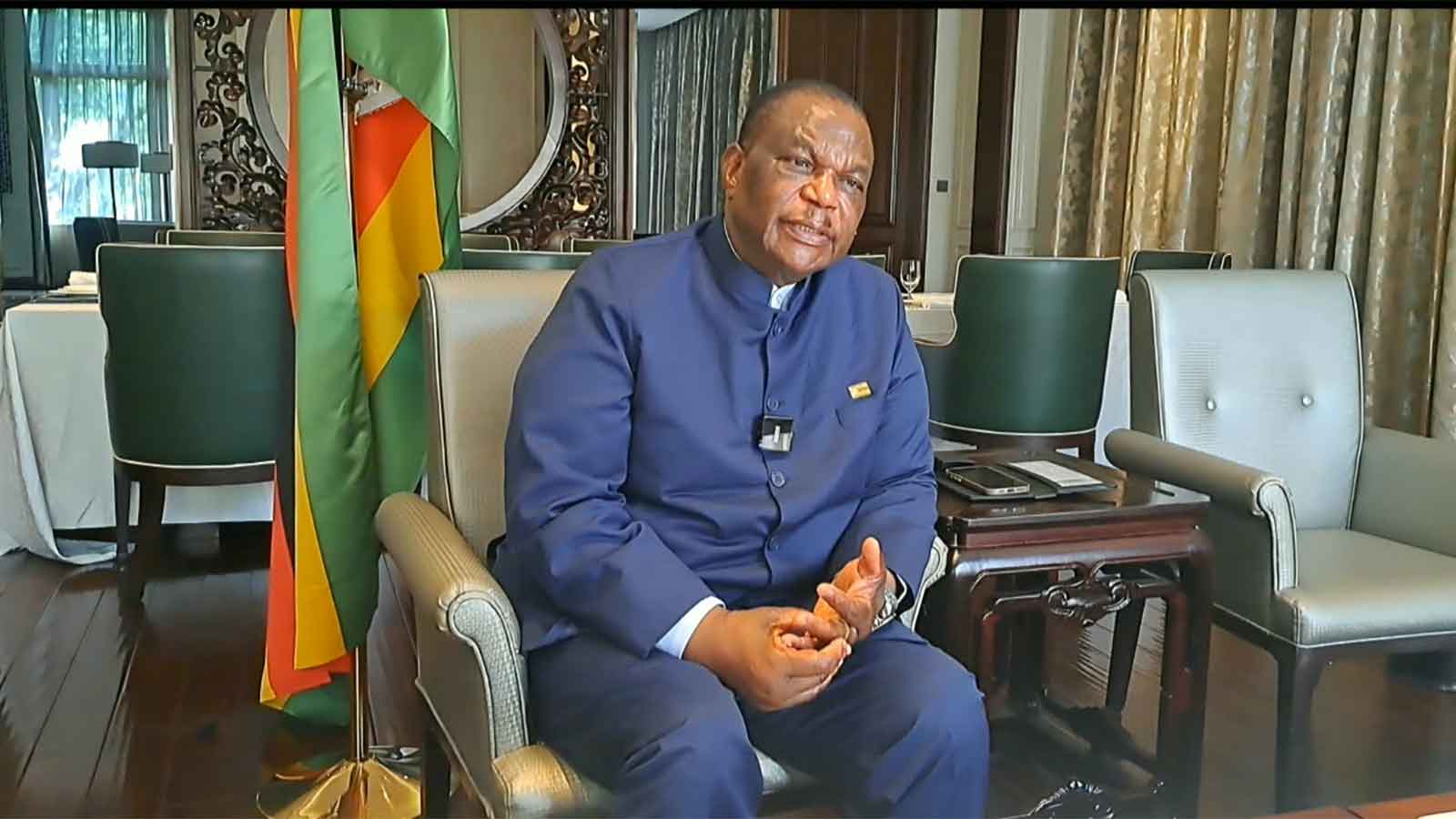
In an interview, Public Service, Labour and Social Welfare Minister Edgar Moyo, said the amendments to the Labour Act form part of a broader strategy to safeguard children and reinforce Zimbabwe’s commitment to international labour standards.
“Children are our future and it is our duty to protect them from harmful and exploitative work,” Minister Moyo said.
“These amendments send a clear message that child labour offences will not be tolerated, and they strengthen our legal framework for safeguarding children across all sectors.”
He said no employer shall employ any person under the age of 16 years.
“Any contract entered into in contravention of this provision is void and unenforceable against the child,” said Minister Moyo.
For persons aged between 16 and 18 years, he said, only light work linked to vocational training or schooling is permitted, provided it does not jeopardise the child’s health, safety, or morals.
Zimbabwe’s legal framework on child protection is grounded in the Constitution, the Labour Act, the Children’s Act, and related legislation.
The country is also a signatory to the African Charter on the Rights and Welfare of the Child and has ratified key International Labour Organisation (ILO) conventions, including the Minimum Age Convention (No. 138) and the Worst Forms of Child Labour Convention (No. 182) in 2000.
Minister Moyo said the Government is collaborating closely with National Employment Councils (NECs) and employers to classify hazardous occupations and ensure compliance through Collective Bargaining Agreements (CBAs).
“The recent amendments and the increased penalties send a strong message that Zimbabwe does not tolerate child labour in any form,” he said.
The Government has also established enforcement mechanisms to monitor child labour, including labour inspections in high-risk sectors such as tobacco farming, sugar estates, tea plantations, and artisanal mining.
These inspections are supported by the Ministry’s Child Labour Unit, which works alongside a multi-stakeholder National Steering Committee to implement child labour elimination strategies.
To address the root causes of child labour, the government has rolled out social protection programmes targeting vulnerable children and families.
These include the Basic Education Assistance Module (BEAM), Harmonised Social Cash Transfers (HSCT), school feeding initiatives, food mitigation programmes, and sustainable livelihoods projects.
Data from the Zimbabwe National Labour Survey (2019) indicates that only 4,5 percent of children are engaged in child labour, well below the Sub-Saharan African average of 27 percent.
Minister Moyo attributed the relatively low incidence to strong legal frameworks and proactive social interventions.
The Government is also taking steps to raise awareness among employers, workers and communities, emphasising that children must not be employed or exploited for work such as scrap metal collection or other hazardous activities.