Prosper Ndlovu in Moscow, Russia
ZIMBABWE is pushing to domesticate the production of essential medicines and position itself as a hub for specialist medical treatment in Southern Africa, leveraging its growing health cooperation with Russia.
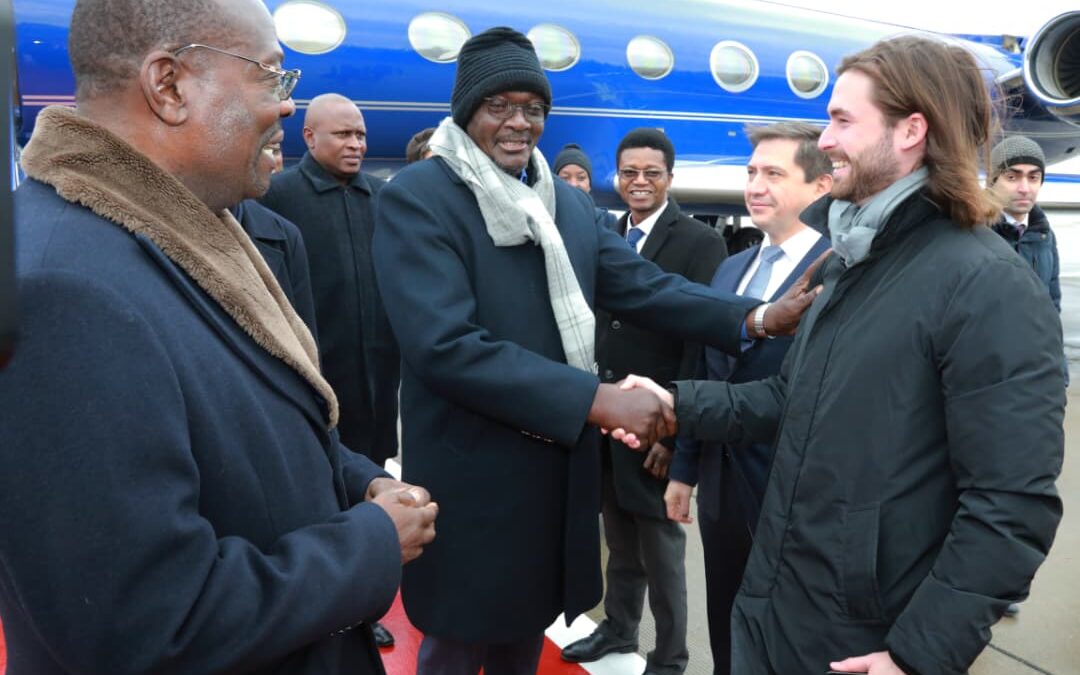
Vice-President Kembo Mohadi, who is also in charge of the Health cluster, said this yesterday as he arrived at Vnukovo International Airport in Moscow to follow up on the 2025 Memorandum of Understanding signed between the two countries’ Ministries of Health.
He is leading a Zimbabwean technical delegation comprising Deputy Minister of Health and Child Care, Sleiman Kwidini, Public Health Advisor in the Office of the President and Cabinet, Dr Agness Mahomva, Permanent Secretary in the Ministry of ICT, Postal and Courier Services, Dr Beaullah Chirume and private-sector players in the pharmaceutical industry.
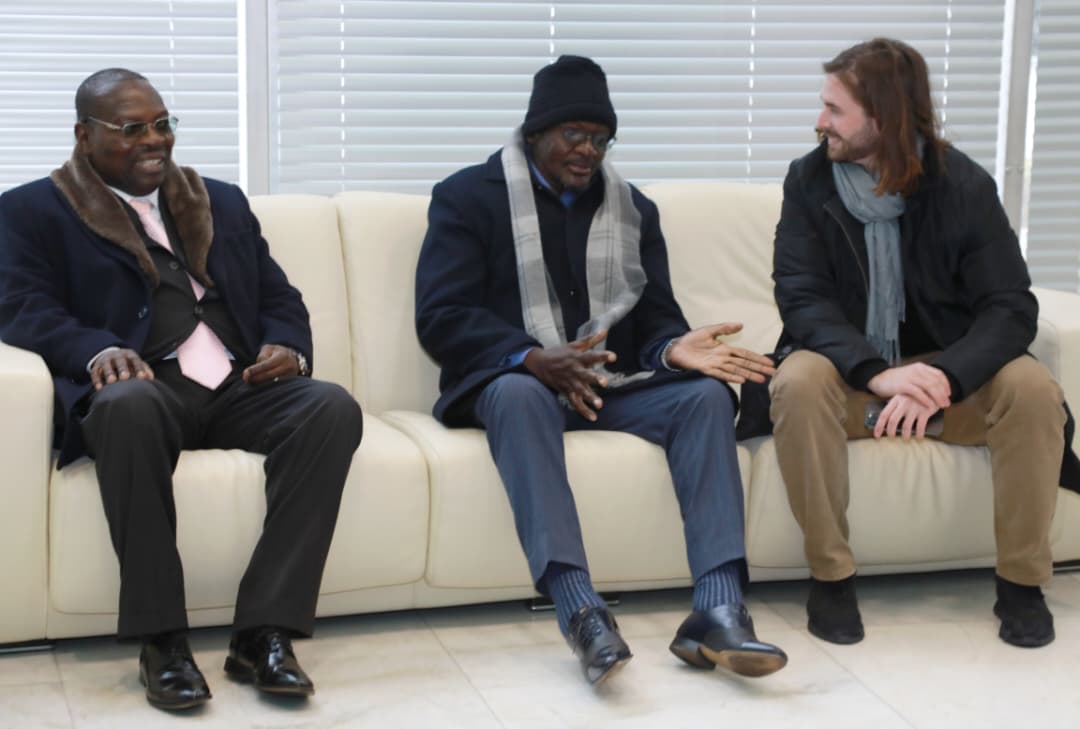
Highlighting the focus of his mission, VP Mohadi told the media here that the Zimbabwean Government is moving beyond paperwork to concrete implementation.
“You know we are not interested in actually having piles and piles of documents. One of the implementation or one of the moves that we have taken is why I’m here,” he said.
“We are here to see to it what can we possibly get now as part of implementation of that memorandu, in terms of pharmaceuticals and all that.”
He said that while Zimbabwe is training medical personnel in Russia, riding on cordial diplomatic relations, the ultimate goal is technology transfer and local production in key sectors.
“We would not want to be ordering or importing materials from here. We would want them to come down to establish, to come and partner us in terms of production of essential drugs that we want.”
He made reference to cancer treatment, which remains a major burden, especially for women, saying Russia’s advanced early detection and treatment capacity provides a model Zimbabwe wants to replicate at home.
“Oncology is one of the areas that is actually problematic back home, and the Russian government has gone a long, long way in actually combating this and detecting it at its infancy and also treating it,” he said.
“We would want to have what we call transfer of technology. So, that’s why I’m here. We are here to get them to help us establish ourselves, help us stand on our feet.”
VP Mohadi said the sustained high-level exchanges — with Vice-President Dr Constantino Chiwenga visiting last year and President Mnangagwa attending the recent Russia-Africa Summit — showed relations growing from strength to strength anchored in historical ties.
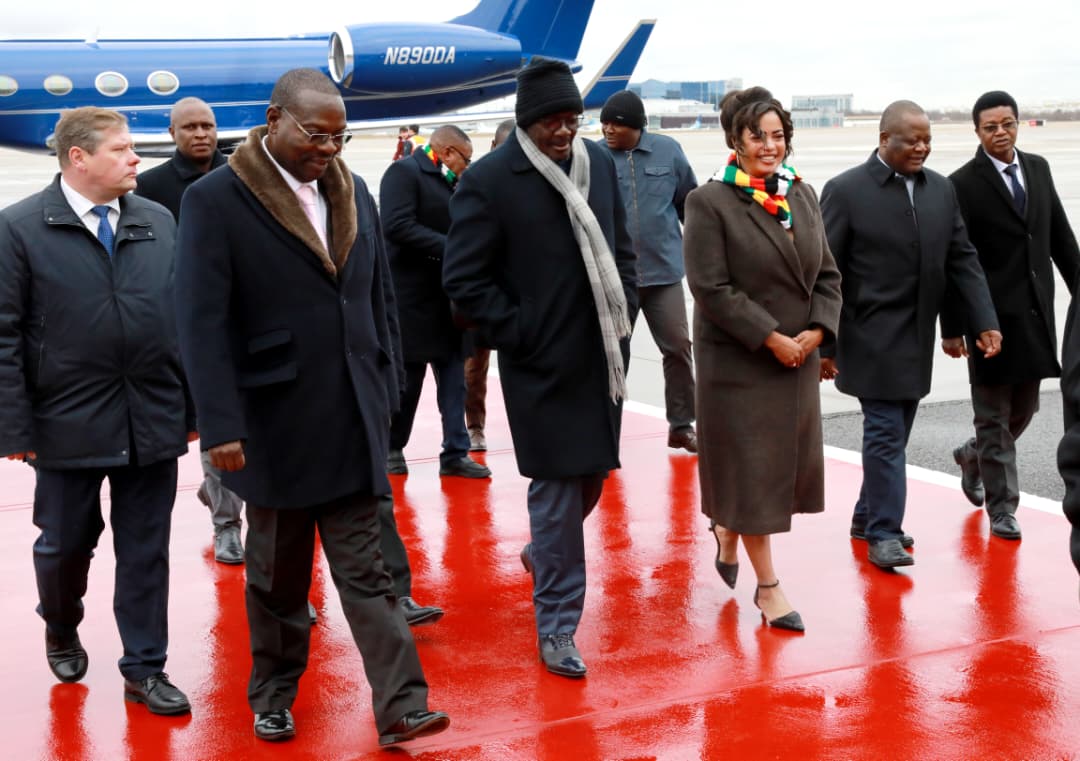
“This relationship is growing. It’s growing from strength to strength. We are to solidify it and by all means see that everything that we agree in that memorandum is implemented and people back home see the benefit of it. They will see the benefit,” he said.
“By the way, don’t forget that every liberation movement in Southern Africa, the weapons that we used in the war came from this country.”
VP Mohadi said the ultimate vision is to end medical tourism and make Zimbabwe a destination for specialised care.
“We will stop sending people to those places that you know about, where we send people with diseases that we can’t treat in Zimbabwe. All of Southern Africa will be coming to Zimbabwe to get treatment.”
The drive, he said, feeds directly into President Mnangagwa’s Vision 2030 and Universal Health Coverage.
“It’s not only an upper middle income society that we are looking at. It also should relate to the health of our people… So, we’re right on track to achieve Universal Health Coverage,” said VP Mohadi.
As part of his mission, the Vice-President is expected to hold a series of meetings with Russian health authorities and pharmaceutical manufacturers during his stay in Moscow.
The engagements are expected to finalise the implementation of a partnership agreement between Zimbabwean and Russian counterparts aimed at improving health service delivery in the country.
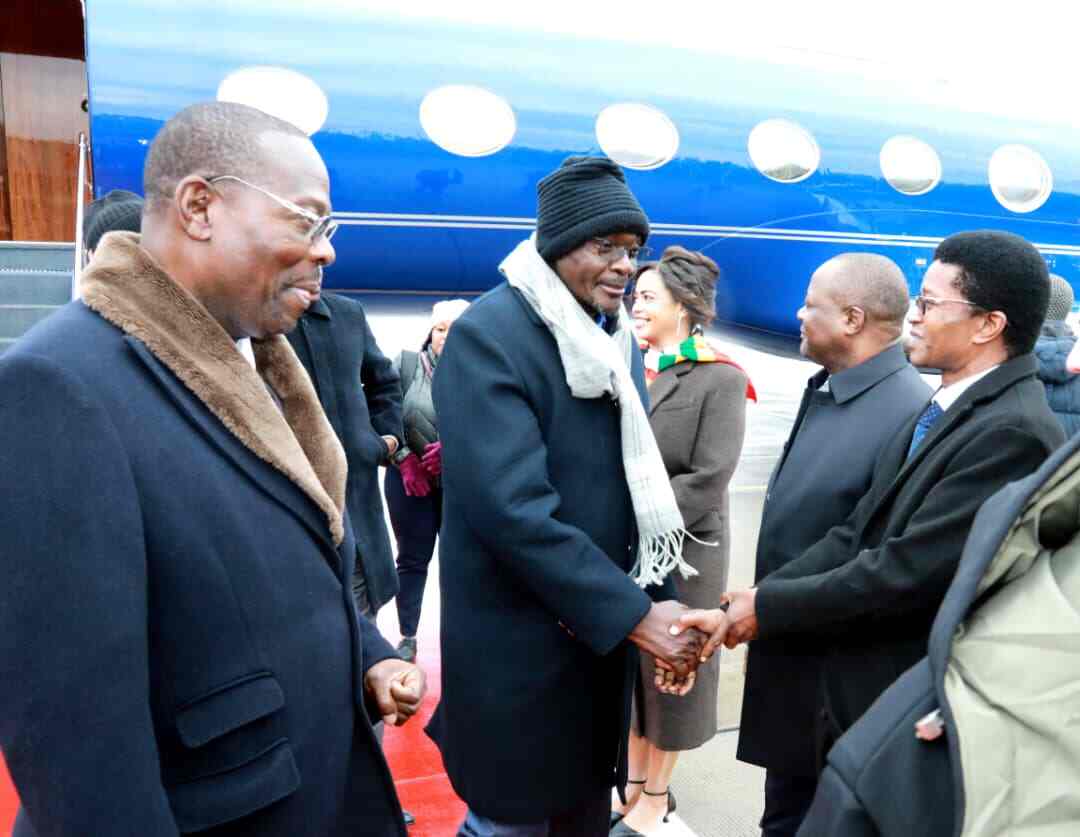
Meanwhile, VP Mohadi was received by Zimbabwean Ambassador to Russia, Cde Mark Grey Marongwe, and senior Russian officials before being whisked to a local hotel, where he was welcomed by the advance team led by the Permanent Secretary in his office, Dr Benson Dube, ahead of the commencement of official business.
His visit builds momentum from President Mnangagwa’s recent visit to Russia, where Zimbabwe secured fruitful engagements aimed at deepening economic synergies between the two friendly countries.
Zimbabwe and Russia enjoy cordial political and diplomatic relations dating back to the days of the liberation struggle and the focus is now on expanding the relationship on the economic front.
Earlier, Amb Marongwe said VP Mohadi’s engagement was a culmination of some of the positive outcomes from President Mnangagwa’s meeting with his counterpart, President Vladimir Putin, last week, as well as several meetings with potential investors, the Zimbabwean diaspora community and students.
“He will visit a company that manufactures drugs and medical equipment to see how and what we can be able to achieve.
“So, we will have our Zimbabwean experts and Russian company experts sharing ideas on what is it Zimbabwe wants, what is it they can provide, what will be the manner for exchange and so forth,” said Amb Marongwe.
“So, the VP has not come for just talk, he has come to supervise one of the many exchanges we have facilitated by signing Memoranda of Understanding. Basically we have done all the Memoranda of Understanding, and it’s time to translate onto tangible benefits that people can see, can feel, that the economy of Zimbabwe can feel that there is change.”