Obey Musiwa
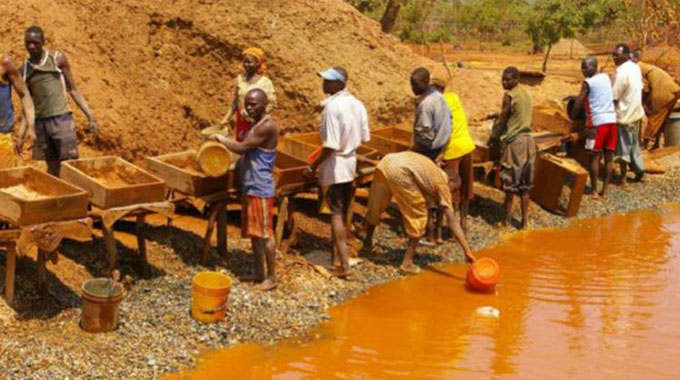
PLANETGOLD Zimbabwe, in partnership with international agencies, has rolled out a project aimed at reducing mercury use in artisanal and small-scale gold mining (ASGM) while improving the health and livelihoods of mining communities.
Backed by the Global Environment Facility (GEF) and the United Nations Environment Programme (UNEP), and executed by IMPACT in collaboration with the Ministry of Mines and Mining Development and the Environmental Management Agency, the project seeks to support 7 500 miners across 11 districts.
It is expected to cut mercury use by an estimated 485 tonnes while promoting access to traceable gold supply chains and sustainable technologies.
During a media briefing held in Harare on Thursday, PlanetGOLD Zimbabwe Project Manager Ms Nyaradzo Mutonhori said the project represents a holistic approach to formalising the ASGM sector and ensuring miners benefit from safer, more sustainable practices.
“This initiative is not only about reducing mercury—it is about protecting the health of our people and the environment.
“By formalising artisanal mining, we are creating opportunities for miners to access finance, markets, and technologies that will transform their livelihoods,” she said.
The planetGOLD Zimbabwe Annual Stakeholders Conference, set for 27–28 October 2025 in Harare, will bring together government, civil society, miners and development partners under the theme “Building Together for a Sustainable Artisanal and Small-scale Gold Mining (ASGM) Sector.”
This year’s conference is expected to serve as a knowledge-sharing platform, highlighting progress made in policy reform, technology adoption, and financial inclusion within the ASGM sector.