Online Reporter
Muchaneta Chimuka in BULAWAYO
ZIMBABWE is set to receive more than 42 000 doses of Lenacapavir, a groundbreaking HIV prevention medicine, in July, marking a significant milestone in the country’s efforts to curb new HIV infections and strengthen public health outcomes.
The arrival of the injectable medication is expected to benefit vulnerable populations at higher risk of HIV infection, offering a more convenient and highly effective prevention option that could accelerate progress towards ending AIDS as a public health threat.
Lenacapavir is a long-acting HIV prevention medicine used as Pre-Exposure Prophylaxis (PrEP).
Unlike conventional daily oral PrEP tablets, the drug requires only two injections per year, making it easier for users to adhere to treatment. It has been shown to provide nearly 99 percent protection against HIV infection
Speaking during a Ministry of Health and Child Care Lenacapavir and HIV Prevention media training facilitated by Organisation for Public Health Interventions and Development (OPHID), Health Communicators Forum, and the United States Government, Ms Gertrude Ncube, the National HIV Prevention Coordinator in the Ministry of Health and Child Care, said the injectable must be used in combination with other biomedical HIV prevention methods like condoms, which also prevent sexually transmitted infections and unwanted pregnancies, PrEP, behavioural intervention, and she called for structural and policy intervention to enable access.
She said oral Pre-exposure Prophylaxis (PrEP) is available in all districts of Zimbabwe to all people at risk, including adolescent girls and young women, serodiscordant couples, pregnant and lactating women, high-risk populations, and those using and injecting drugs, and can access it freely.
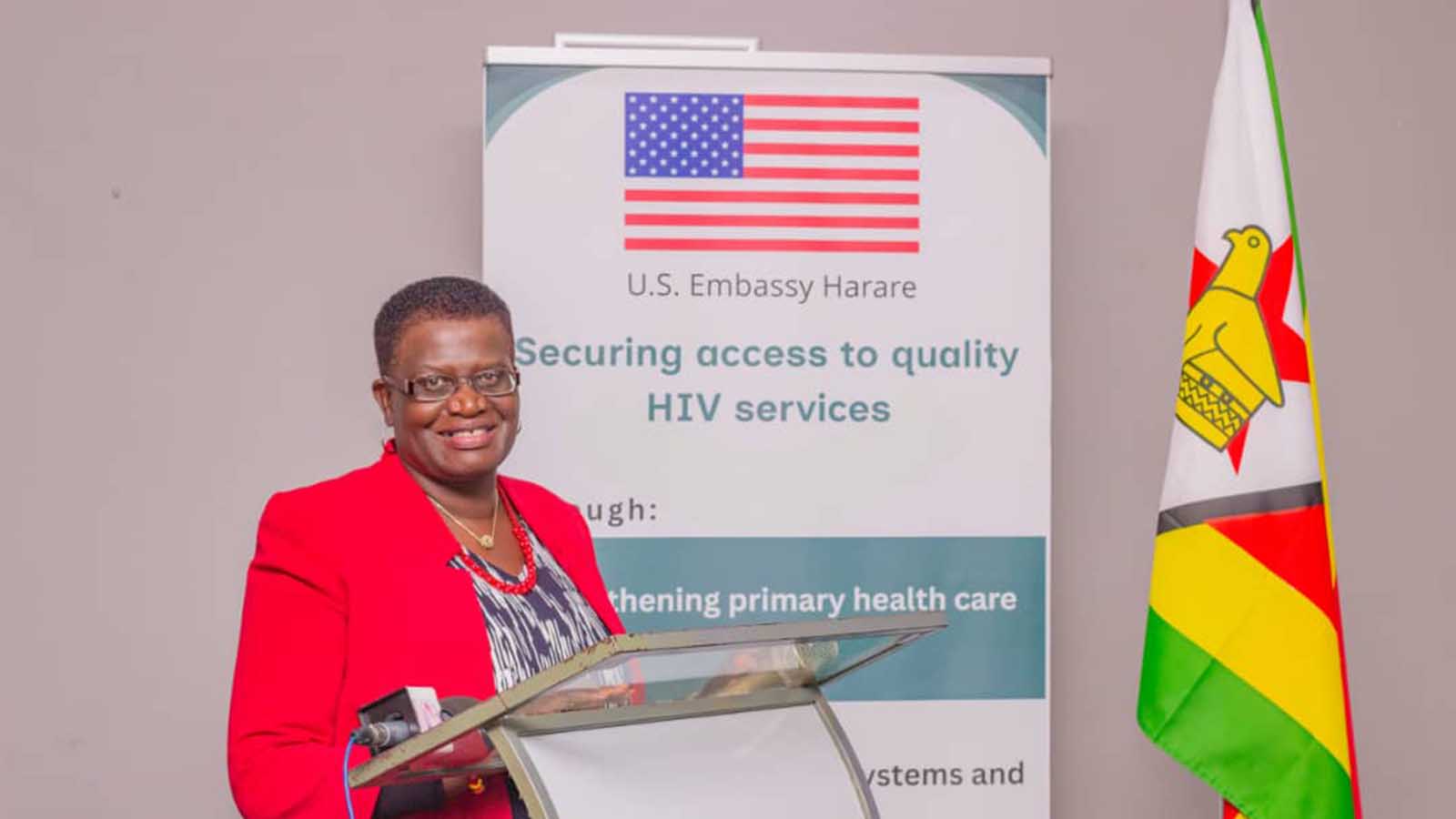
“Since the initial rollout of Lenacapavir started in February this year, 1 6014 people were reached by May, and we are expecting 42 000 doses by July this year, and we hope more and more people will benefit,” she said.
Dr Idah Moyo, an HIV Prevention Officer with the Ministry of Health and Child Care, said that, unlike other HIV prevention mechanisms in Zimbabwe, men respond well to Lenacapavir medicines.
“It is encouraging that more men are forthcoming for the Lenacapavir injection; however, there are more women who are taking with a percentage of 67, while men are at 33 percent. ” We encourage more men to partake in the initiative,” she said.
She said, Lenacapavir is 99,9 percent efficacious and is meant for HIV negative people aimed to reduce the risk of acquiring HIV in adults and adolescents weighing at least 35kg, and the initial phase 1.920 packs were delivered and approximately 46, 080 additional are expected between June and November this year across 24 designated sites.
“Key details regarding the local implementation include: Local Availability: Distribution has been established at designated centres, including Princess Margaret Rose Clinic in Bulawayo,” she said.
“The medication is primarily focused on vulnerable populations with disproportionately higher infection rates. This includes adolescent girls and young women (AGYW), sex workers, and pregnant and breastfeeding women (PBFW).”
She highlighted that the twice-yearly regimen greatly improves adherence and reduces the stigma and challenges associated with taking daily pills.
“However, it is an additional layer of protection and does not protect against other sexually transmitted infections,” she said.
“The rollout is being monitored and implemented by the Ministry of Health and Child Care with support from organisations like OPHID and CeSHHAR.

“Lenacapavir has been hailed as a breakthrough drug in the global fight against the HIV pandemic and was developed by Gilead Sciences, giving those at high risk—who often struggle with the stigma and exhaustion of daily pills—a discreet and manageable protection.”
She said the long-acting medicines have some unprecedented convenience as a pre-exposure prophylaxis (PrEP), as it only needs to be administered via subcutaneous injection once every six months and have high efficacy, with clinical studies demonstrating near-total protection over 99 percent against HIV acquisition among participants.
“With Lenacapavir medication, we can safely overcome adherence barriers and pill fatigue, which also exposes individuals to stigma, partner suspicion, or unwanted social scrutiny,” she said.
“The biannual injection solves these challenges, and it is primarily prioritised for highly vulnerable groups, including adolescent girls, young women, and sex workers, helping to curb new infections.”
Dr Pugie Chimberengwa, the OPHID Technical Director, said Lenacapavir was introduced so that vulnerable populations have a variety of choices for HIV prevention.