Online Reporter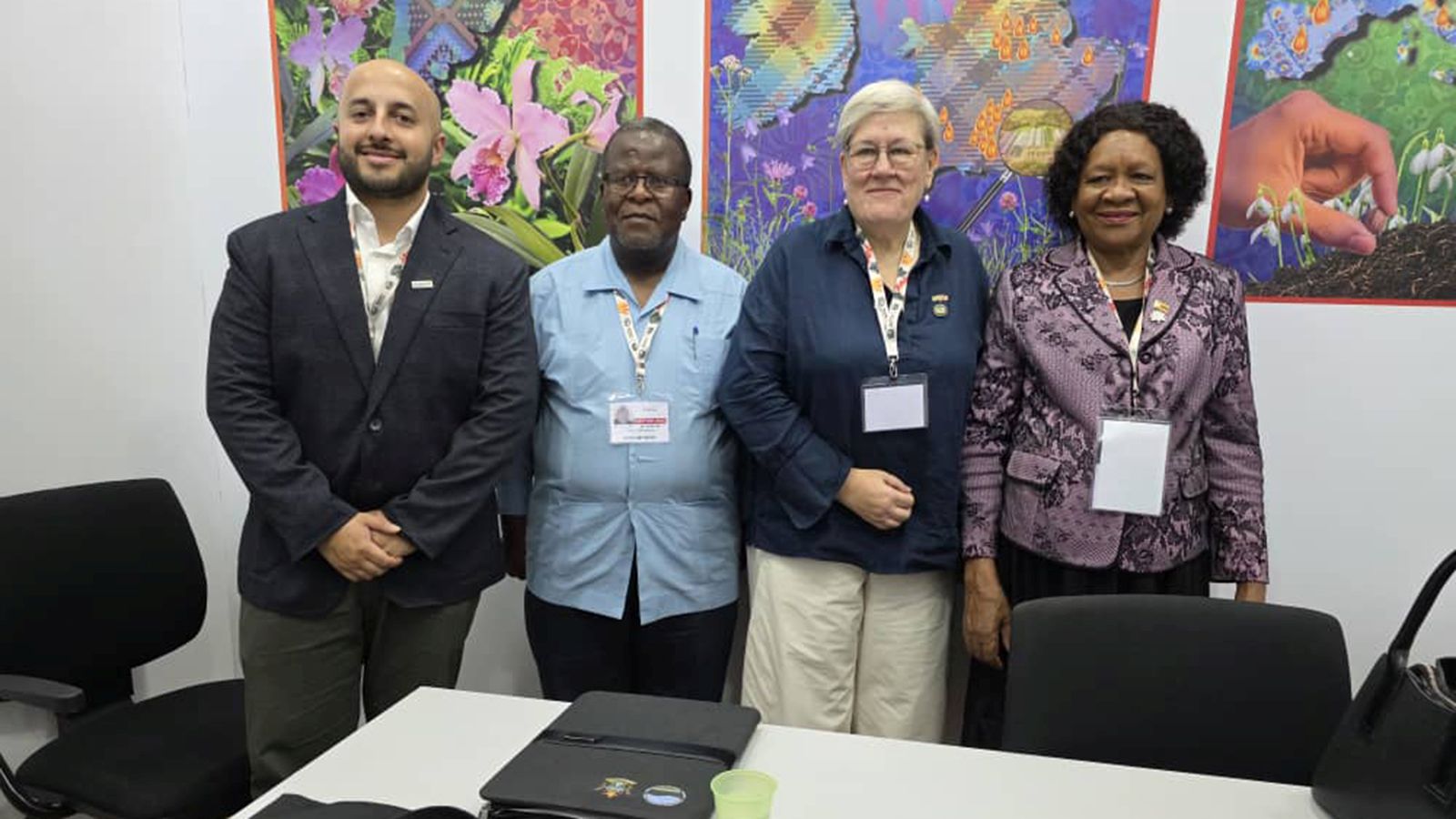
Sifelani Tsiko
Fact Check Editor
Zimbabwe and the UK have held a meeting on the sidelines of the high-level UN Climate Change Conference in Belém, Brazil, to explore ways to collaborate in the fight against climate change, enhance resilience, and assist those most affected in the country.
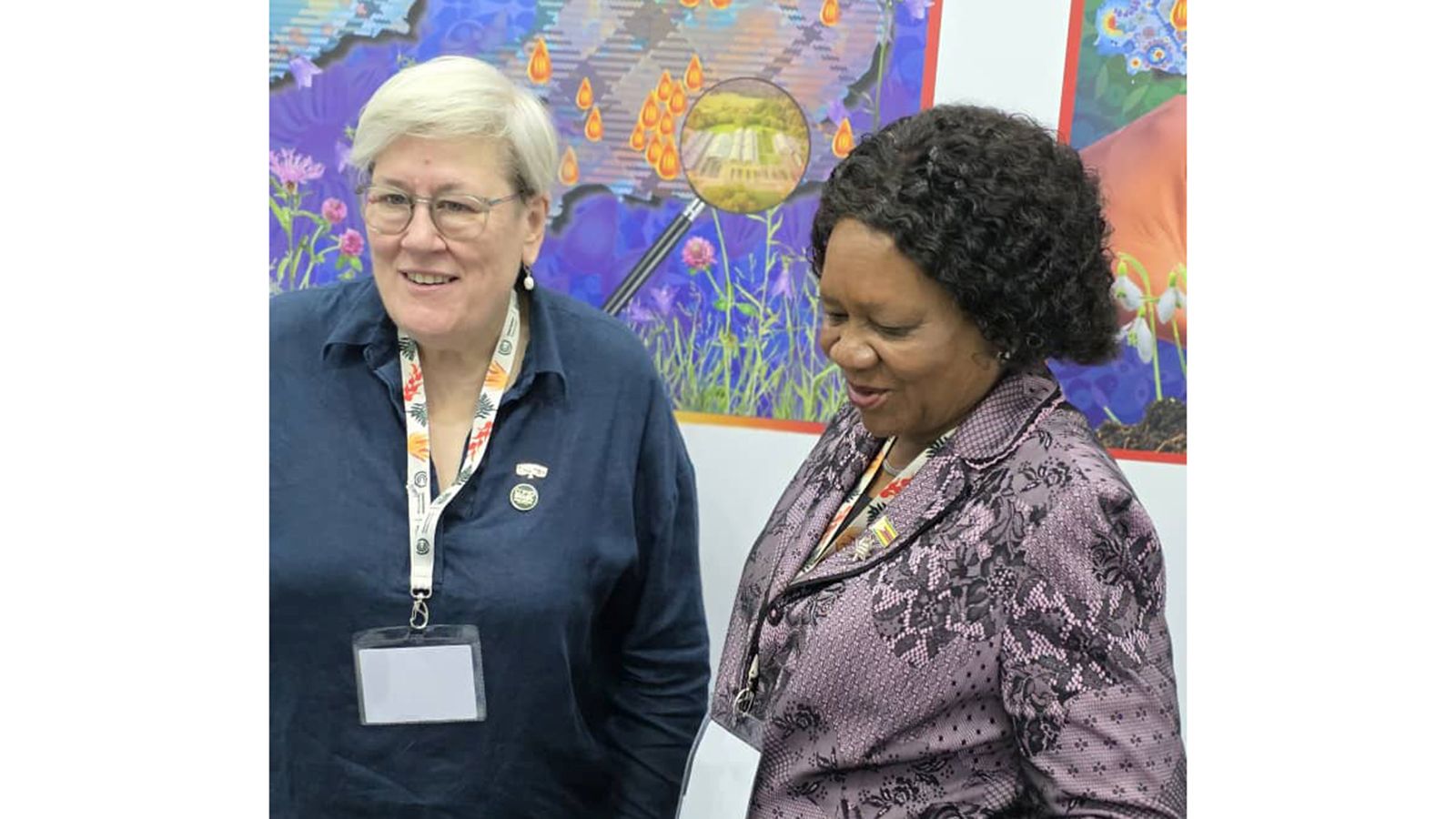
Dr Evelyn Ndlovu, Zimbabwe’s Minister of Environment, Climate, and Wildlife and head of delegation to the 30th Conference of Parties to the United Nations Framework Convention on Climate Change (COP30), met with the UK’s Special Representative for Climate, Professor Rachel Kyte.
The meeting addressed the UK’s support for Zimbabwe’s climate action through initiatives such as the Zimbabwe Resilience Building Fund Phase 1 (ZRBF1) and the Climate Adaptation Water and Energy Projects.
Additionally, discussions centred on Zimbabwe’s priorities at COP30, including the finalisation of the Global Goal on Adaptation Indicators, indicators on means of implementation support, progress on climate finance under the Baku to Belém Roadmap targeting $1.3 trillion in climate finance by 2035, as well as the full operationalisation of the loss and damage fund.
Zimbabwe and the UK further discussed potential support for Zimbabwe’s Ramsar COP15 presidency following the successful hosting of COP15 and the assumption of the COP15 presidency for the next three years in Victoria Falls in July 2025.
The UK expressed its commitment to combating climate change in Africa, aiming to foster mutually beneficial and reliable investments.
Some of the proposed projects will focus on mobilising finance for climate action to help communities manage the impacts of climate change across the continent. This funding is expected to create jobs, stimulate economic growth, and improve the livelihoods of women, farmers, and at-risk communities.
Those least responsible for climate change in Zimbabwe and many other developing countries are increasingly bearing the brunt of its effects. Zimbabwe requires at least $19 billion to support mitigation measures aimed at strengthening local resilience to climate change.
The impacts of climate change have severely affected the country, with Zimbabwe remaining highly vulnerable to rising temperatures, erratic rainfall, prolonged droughts, and extreme weather events such as cyclones. These climatic shifts threaten key sectors, including agriculture, energy, and water resources, exacerbating food insecurity and economic instability.
In Southern Africa, tropical cyclones and severe thunderstorms have proven particularly destructive, threatening infrastructure and displacing millions of people.
Weather-related disasters have caused significant economic losses in the region, with Cyclone Idai in 2019 costing Zimbabwe $274 million and Mozambique $3 billion—representing 1.6 percent and 19.6 percent of their respective GDPs that year.