Online Reporter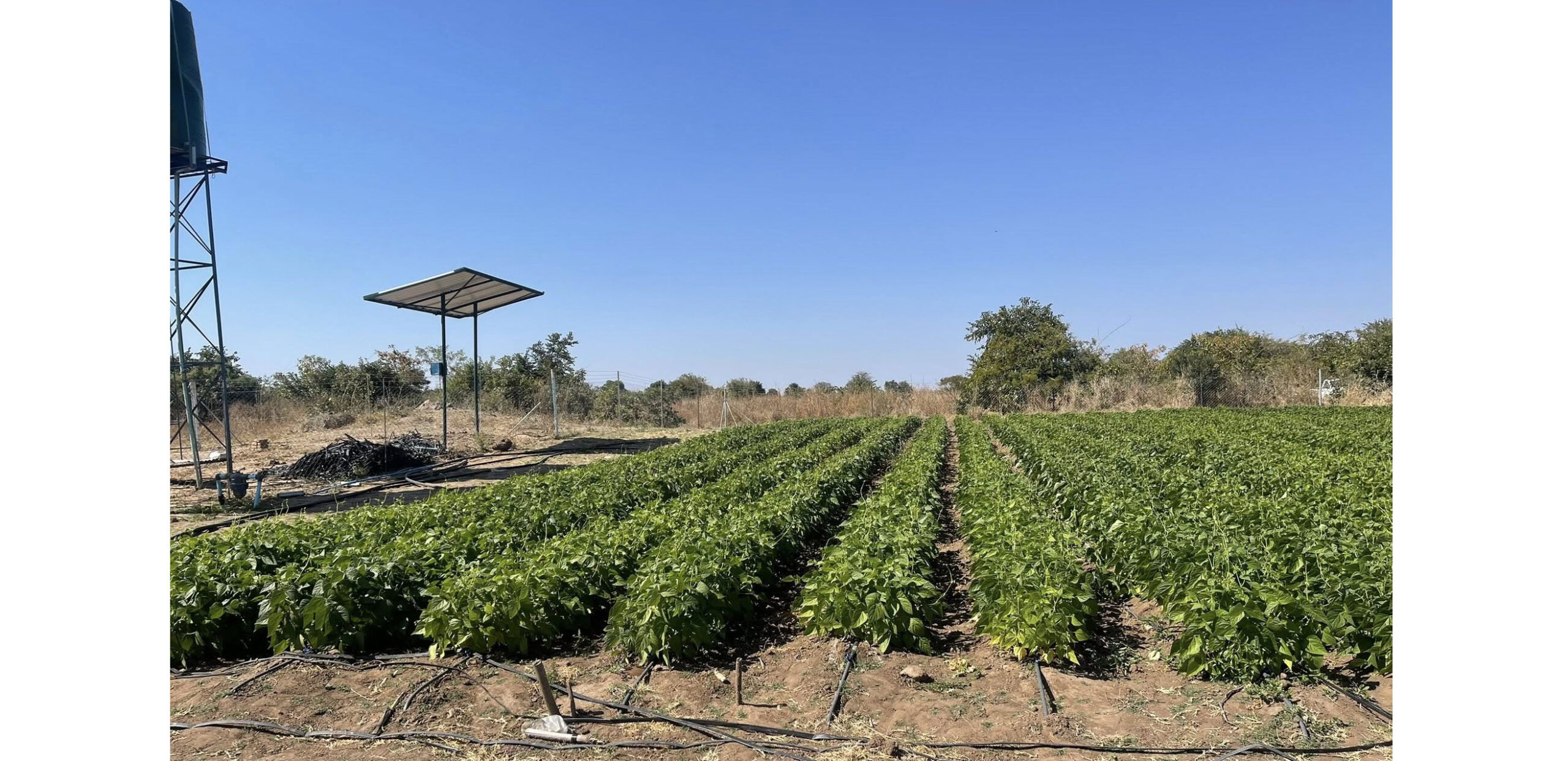
Ivan Zhakata, recently in CHIPINGE
Women and youths in Hakwata Village, Chipinge District, are flourishing through the sale of maize, tomatoes and cabbages produced from a one-hectare garden established under the Government and United Nations Development Programme (UNDP)’s Climate Adaptation, Water and Energy Programme (CAWEP).
The garden, set up as a village business unit (VBU) and implemented by the Foreign Commonwealth Development Organisation (FCDO) has become a major source of income and food security for local families with produce being sold to markets in Checheche and across the border in Mozambique.
Youth beneficiary, Miss Nyarai Ndhlovu, (34) said the project had created employment opportunities and financial independence for young people.
“Before the garden was established, most of us had no reliable source of income. Now we are earning money from our crops, and I am able to sustain myself through tomato sales,” she said.
Women in the community have also found economic relief through the project.
Mrs Ndaizivei Makuyana (58) said the initiative had empowered women to become self-reliant.
“We are now able to sell our vegetables to buyers who come from Checheche and Mozambique,” she said.
“The money we make helps us pay school fees and buy household essentials. This project has transformed our lives.”
Another farmer, Mr Tinonesana Simango (52) said the garden had not only improved livelihoods but also helped villagers adapt to the changing climate.
“With the irrigation system in place, we can now grow crops all year round. This project has improved food security and encouraged cooperation among community members,” he said.
Hakwata Agritex officer, Mr Ranganai Gwenzi (55), said the garden was part of a wider Government effort to enhance rural livelihoods through climate-smart agriculture.
“The Hakwata Village Business Unit is one of the most successful CAWEP projects in Chipinge,” he said.
“It has empowered both women and the youth through skills training, irrigation and crop production support. We are seeing real progress in household incomes and community resilience.”