Online Reporter
Sikhulekelani Moyo [email protected]
ZIMBABWE should consolidate fragmented steel demand across the public and private sectors and use it to build a local rail manufacturing industry rather than continue spending scarce foreign currency on imports, a supply chain and industrialisation expert has said.
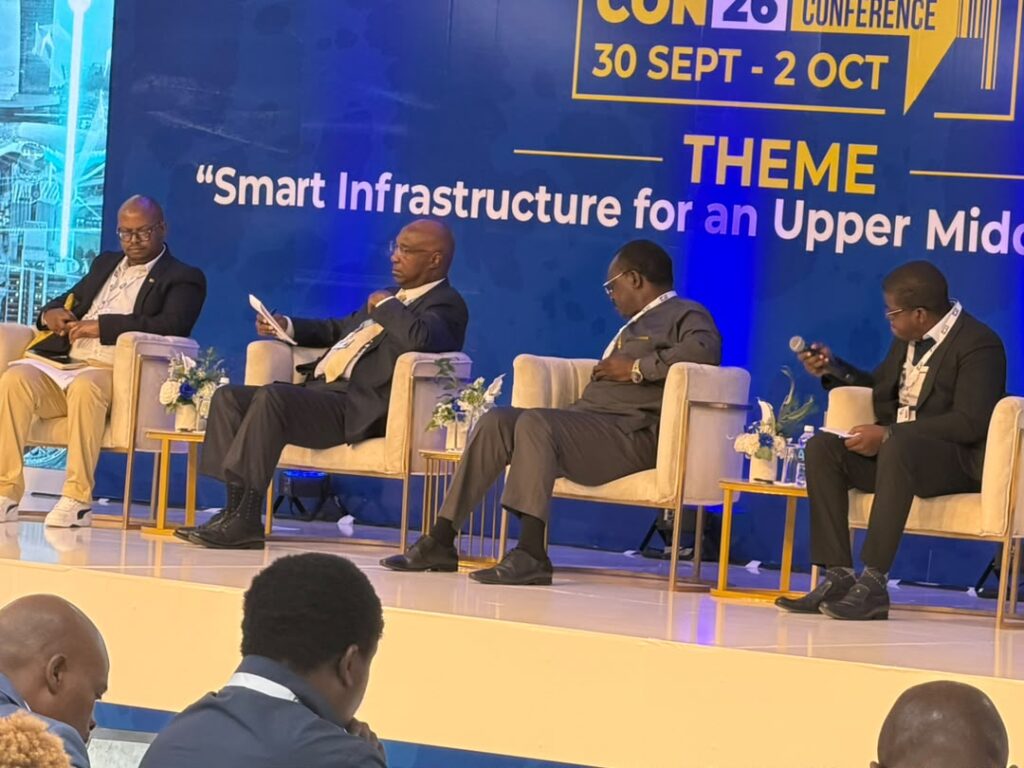
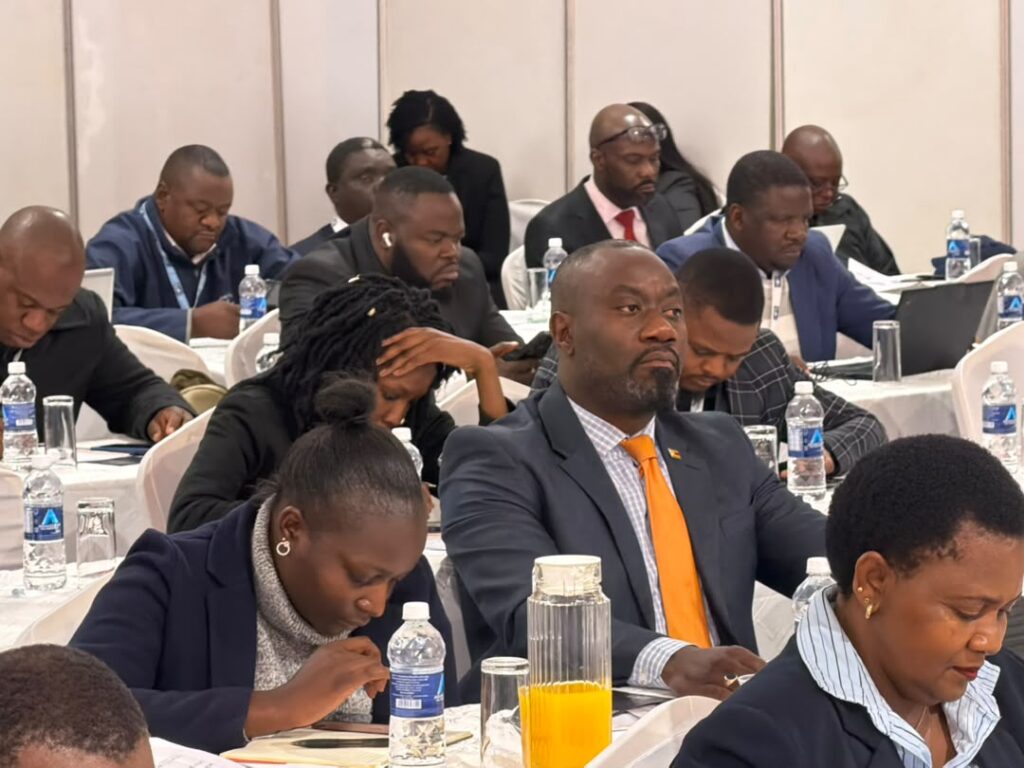
Speaking at the Zimbabwe Economic Development Conference (ZEDCON), Mr Sebastian Musendo said the country already had sufficient internal demand for steel to underpin investment in rail manufacturing and broader industrialisation.
He said the demand should be quantified and organised before Government commits significant resources to rehabilitating the National Railways of Zimbabwe (NRZ) or acquiring new rolling stock.
“My departure point becomes having agreed that we need NRZ and we need NRZ functionally in this economy, how then do we make that work for the economy and other interrelated sectors,” he said.
“Assuming the US$115 million has been granted, what do we do with it? Do you get infrastructure, which is the rail, the permanent way or alternatively do you buy the rolling stock? And my submission then becomes what is the constraint?”
Mr Musendo said the immediate constraint was the dilapidated permanent way, which requires large quantities of steel to rehabilitate.
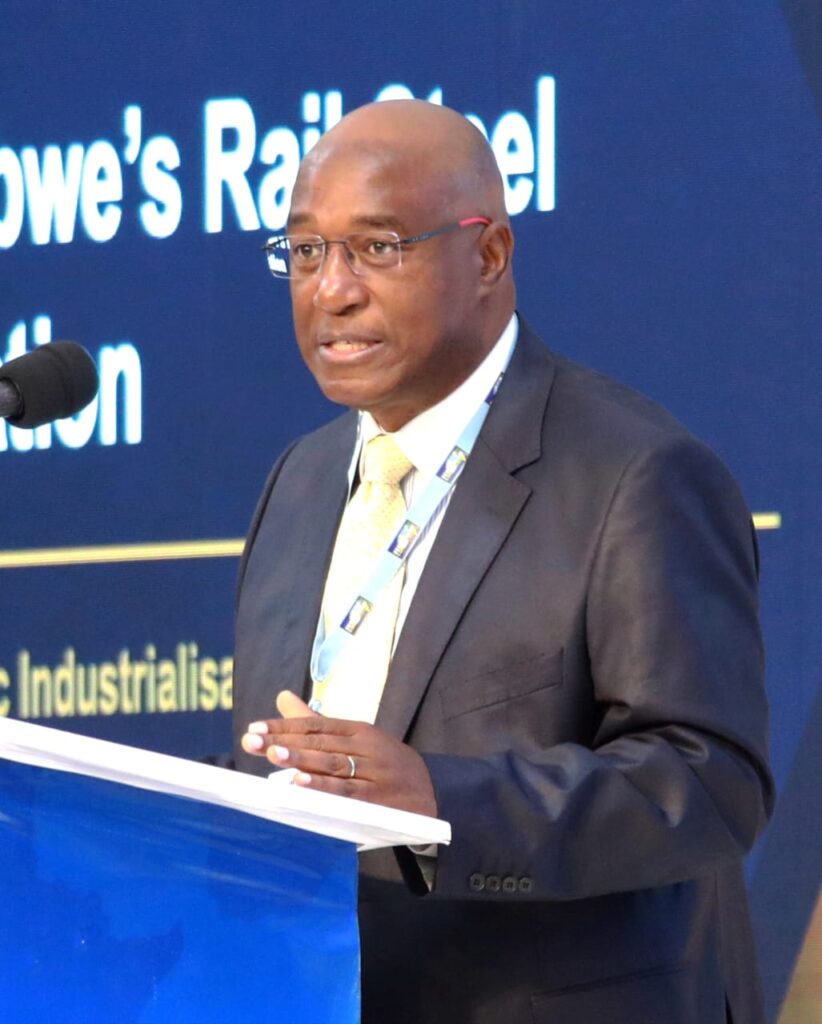
“Currently, we have a rail system that’s dilapidated, that needs to be refreshed and the process of refreshing that requires quite a bit of steel. For example, if you’re going to run a single track one kilometre, you are looking at up to 20 tons of steel. If you then look at the plan as it sits, it means after 2030 you’re probably going to be looking at up to four million tons of steel required,” he said.
He said the projected demand would come from Mutapa Investment Funds entities, other companies and the construction boom, creating an opportunity to establish a domestic steel industry.
Mr Musendo said Zimbabwe was already importing large quantities of steel and rail products despite having substantial internal demand.
Prior to 2024, he said, the country imported between US$530 million and US$600 million worth of rail and steel products, equivalent to about 800 000 tonnes at an assumed price of US$800 per tonne.
“We have internal demand, and that internal demand, if it is organised right, it then offers us the opportunity to then raise capital without necessarily going into sovereign debt,” he said.
Instead of using core Mutapa Investment Funds resources to rehabilitate the defunct Zimbabwe Iron and Steel Company (Zisco) in its current form, Mr Musendo proposed a brownfield investment focused on producing rails and other steel products required by the domestic and regional markets.
“I was a senior executive at Transnet and a senior executive at Eskom. In all instances, we understood that South Africa is importing rails from Australia. So the regional demand is there,” he said.
He said the demise of ArcelorMittal South Africa had further increased the potential regional market for rail products.
Zimbabwe has about 4 400km of railway network, with sections dating back to the early 1900s, while much of the rolling stock is between 40 and 50 years old.
“A typical wagon probably needs about 21 tonnes of steel. And of those 21 tonnes, it will resuscitate a whole set of industries,” he said.
He said the steel industry had linkages with mining, underground railways, hoists, structures, pylons and agriculture, making rail rehabilitation an opportunity to revive several sectors simultaneously.
“If you organise this and have the demand first, it will then be easier. Where there is organised demand, money will follow,” said Mr Musendo.
He proposed using Zimbabwe Revenue Authority (ZIMRA) import payment data to categorise and quantify steel imports and establish a comprehensive national demand picture.
Mr Musendo also drew parallels with Zimbabwe’s past industrial development, when Zisco was linked to companies such as Union Carbide and Lancashire Steel, creating a network of interconnected industries.
“The Rhodesian government organised that effectively, it had a coordinated strategy that delivered a bunch of all these sectors, and we probably now need to establish an element of trust between the private sector and the state, so that when you do that, there is confidence in the investments,” he said.
He argued that rehabilitating the permanent way should take preced



 Blessing Chizhande