Online Reporter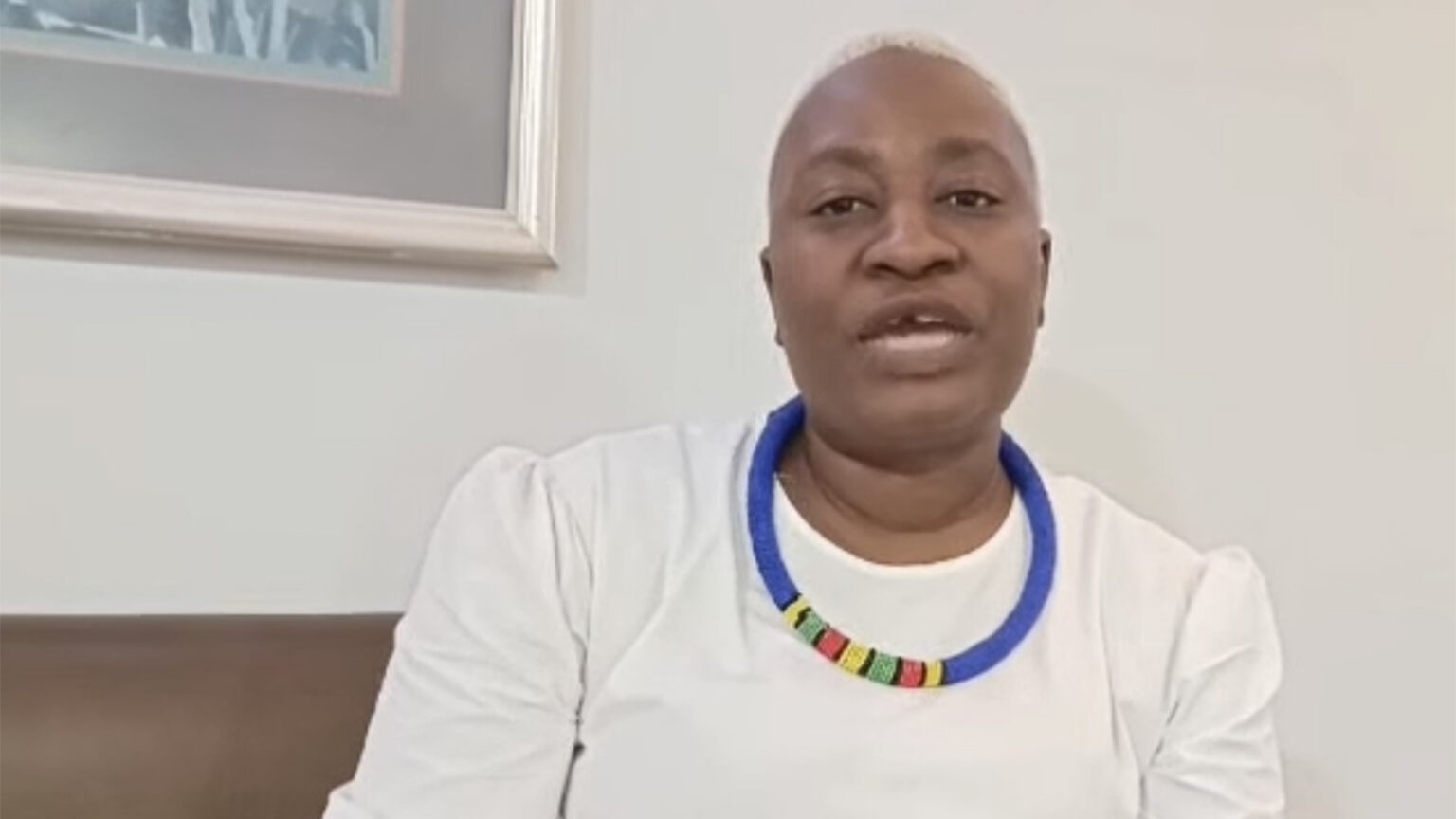
Theseus Mauruki Shambare
THE Government has been urged to establish and ring-fence an Assistive Technology Fund to support research, innovation, local production and access to affordable assistive products following the adoption of a landmark United Nations resolution on access to assistive technology.
Signs of Hope Trust (SOH) director Ms Samantha Sibanda said Zimbabwe should seize the global development opportunity to strengthen implementation of its National Assistive Technology Strategy and Assistive Products Priority List.
“Zimbabwe has an opportunity to move from policy commitments towards sustained implementation, financing and measurable impact,” she said.
“We are calling upon the Government, development partners, organisations of persons with disabilities, the private sector and other stakeholders to develop and ring-fence an Assistive Technology Fund.”
Ms Sibanda said the proposed fund should support research, innovation, local development and production of appropriate and affordable assistive products.
“We need to support research, innovation, local development and production of assistive products that are appropriate and affordable for the people who need them,” she said.
The United Nations General Assembly adopted by consensus on September 2 a resolution specifically dedicated to access to assistive technology, calling on Member States to mobilise resources and strengthen sustainable access to quality and affordable products.
The resolution notes that about 2,5 billion people globally require assistive technology, including children, adults, older persons and people with disabilities or health conditions.
It identifies persistent barriers including high costs, limited physical and geographical access to services, shortages of trained personnel, inadequate product ranges, procurement and delivery challenges and inadequate financing.
Ms Sibanda said Zimbabwe should now strengthen the implementation of measures already put in place.
“Zimbabwe launched its National Assistive Technology Strategy and Assistive Products Priority List in May 2024, establishing a framework for improving access, availability and utilisation of assistive technology in the country,” she said.
“We have also seen steps towards improving affordability, including the removal of import taxes on selected assistive products.
“The adoption of this UN resolution therefore presents an important opportunity for Zimbabwe to move from policy commitments towards sustained implementation, financing and measurable impact.”
SOH is also calling for a national Assistive Technology Census to establish the scale and nature of the country’s needs, access levels and unmet demand.
“We need to know the scale and nature of assistive technology needs in Zimbabwe,” Ms Sibanda said.
“A national Assistive Technology Census would generate disability-disaggregated data that can inform planning, budgeting and service delivery.”
The UN resolution encourages Member States to collect disaggregated data on the need for, access to and supply of assistive technology to identify gaps and trends.
Ms Sibanda said people who use assistive technology should also have a meaningful role in shaping policies and programmes affecting them.
“People who use assistive technology must have meaningful opportunities to shape the policies and programmes concerning them,” she said.
SOH further wants assistive technology incorporated into disaster preparedness and humanitarian response to ensure people do not lose access to essential devices and related services during emergencies.
“Assistive technology must be integrated into disaster preparedness and humanitarian response,” Ms Sibanda said.
“People should not lose access to essential devices and related services simply because an emergency has occurred.”
The organisation also called for greater digital accessibility, including accessible websites, applications, digital public services and emerging technologies such as artificial intelligence.
The UN resolution calls on Member States, international financial institutions, donors and development partners to provide technical and economic assistance to support national efforts to increase access to assistive technology.