Ivan Zhakata
Herald Correspondent
CHILDREN and young people have been challenged to develop practical recommendations to strengthen the country’s climate response and ensure their concerns are reflected in national policies and international negotiations ahead of COP31.
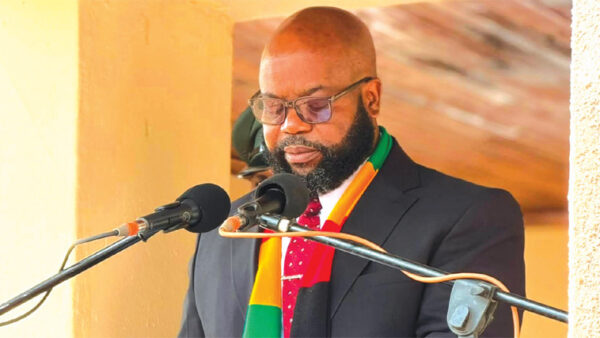
Speaking at the Local Conference of Children and Youth on Climate Change Zimbabwe 2026 in Harare on Wednesday, acting Permanent Secretary for Environment, Climate and Wildlife Mr Washington Zhakata said the conference should translate young people’s concerns into actionable proposals.
He said the effectiveness of the country’s climate response depended on implementing policies and commitments that improve community resilience and livelihoods.
“The effectiveness of our national climate response will not be measured solely by the policies we formulate or the commitments we make at international conferences,” he said.
“It will ultimately be measured by the extent to which these translate into improved resilience, sustainable livelihoods and opportunities for our people, particularly children and young people.”
COP31 will take place in Antalya, Türkiye, from November 9 to 20.
Mr Zhakata said Zimbabwe continued to experience climate-related challenges, including recurrent droughts, floods, heatwaves and changing rainfall patterns, which threaten agriculture, water security, biodiversity, infrastructure and livelihoods.
He said the effects varied across the country, making it necessary to develop policies that addressed the specific needs of affected communities.
“The challenges confronting communities in drought-prone districts such as Beitbridge and Tsholotsho differ from those experienced in flood-exposed areas such as Chimanimani and Chipinge,” he said.
Mr Zhakata said consultations conducted across the country’s 10 provinces would help consolidate children’s and young people’s experiences into a National Children and Youth Climate Statement of Recommendations for the 31st Conference of the Parties to the United Nations Framework Convention on Climate Change (COP31).
He urged delegates to develop practical proposals with clear responsibilities and adequate resources for implementation.
“The value of this statement will, however, depend on the clarity, relevance and practicality of its recommendations,” he said.
Mr Zhakata identified climate adaptation and disaster risk reduction, access to climate finance, green skills development, employment creation, inclusive climate governance and climate education as key priorities.
He said the recommendations should inform domestic climate planning and implementation rather than remain confined to international negotiations.
“We must avoid a situation where youth climate priorities receive international visibility but limited attention within domestic policy implementation,” he said.
UNICEF representative Ms Susan Southern said climate change was disrupting children’s education, health, nutrition and protection, calling for increased investment in services that could withstand climate-related shocks.
She said droughts, floods, water scarcity, disease outbreaks and threats to food security were placing additional pressure on families and communities.
“When schools are damaged by cyclones, when water sources dry up, when health facilities cannot function or when livelihoods are lost, the impacts can affect a child’s entire life trajectory,” she said.
Ms Southern called for investment in climate-resilient schools, health facilities, water systems, nutrition services and social protection programmes.
She said children remained underrepresented in climate policies and financing despite being particularly vulnerable to climate change.
“Despite constituting one-third of the world’s population, only a very small proportion of global climate finance directly responds to the needs and rights of children. This must change,” she said.
Ms Southern called for children’s rights and needs to be systematically incorporated into climate policies and financing ahead of COP31.
She said meaningful participation also required access to climate education, accurate information, green skills, digital literacy and opportunities to influence decision-making.
“Special efforts are needed to ensure the participation of girls, children with disabilities, and young people from marginalised communities whose voices are often least heard,” she said.
She reaffirmed UNICEF’s commitment to working with Government, development partners, civil society and communities to advance climate-resilient services and child-responsive climate policies.