admin
admin
Zvamaida Murwira,Harare Bureau
Zimbabwe and Zambia are working to expedite the implementation of two key power generation projects to bring relief to citizens of the two countries who, along with others in the region, have been enduring long hours of loadshedding in the past three months.
The speeding up of the Batoka Gorge Hydro-electric Power Station, estimated to cost US$4,5 billion, and the revival of the Kariba Hydro Power Station, are largely seen as part of long-term energy solutions for the two neighbouring countries which have a long history in joint power projects.
Project implementer, the Zambezi River Authority (ZRA) has already started preliminary works on the ground such as constructing access roads to the site lying 54km downstream of the Victoria Falls.
Newly appointed Zambian ambassador to Zimbabwe, Mr Derick Livune yesterday pledged to prioritise cooperation aimed at boosting energy supply and end power supply shortage affecting the two countries.
He said this would be achieved through pursuing ways to revive the Kariba hydro power station and ensure commencement of Batoka Gorge hydro-electric power station.
There was need for deeper cooperation in energy riding on Kariba Dam, which was already benefiting the two countries, and the envisaged Batoka hydro power so that energy challenges would become a thing of the past.
Ambassador Livune revealed this after presenting his credentials at State House in Harare to President Mnangagwa to signal his assumption of duty in Zimbabwe.
Zimbabwe and Zambia are currently facing power shortages that have seen people going for long hours without electricity.
The situation, caused by frequent breakdowns at Hwange Thermal Station, has been compounded by water shortages in Kariba Dam which provides the bulk of the two countries’ electricity supplies.
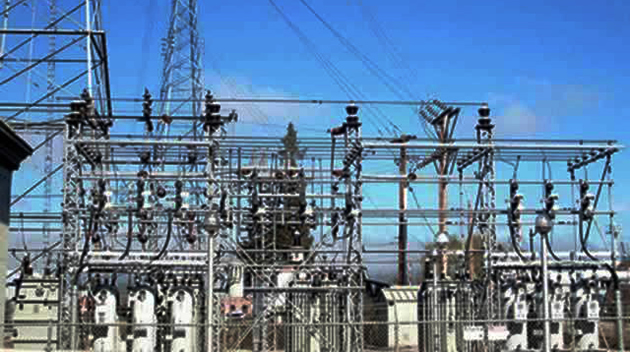
Kariba South and North power stations remain Zimbabwe and Zambia’s major sources of electricity despite production limitations due to the low water level.
This has prompted the ZRA to ration the amount of water used to generate electricity from Lake Kariba.
In an interview soon after presenting credentials, Amb Livune said he will push to ensure that the two countries derived maximum benefits from their resources and get energy supply.
“First of all it is important to know that Zimbabwe and Zambia share a long standing relationship as two sister countries.
My coming here is to further strengthen the relationship that existed before all of us were born. We must be grateful to our forefathers and indeed the Governments that were around and of course ourselves today we must continue with the legacy of promoting this relationship that we have,” said Amb Livune who is a former Member of Parliament.
“We are all members of Comesa. There are trade agreements that exist that we must further strengthen. We have cooperation in education. His Excellency was telling me that there are scholarships that are there, Zambians in Zimbabwe and Zimbabweans in Zambia, so those are important things.
“Of course there are areas of energy, you know Kariba, we share resources that has been there for a long time. We are trying to push up that benefit. We are also building Batoka hydro power station as Zimbabwe and Zambia; these are great things that must be promoted, issues of culture, social existence, our two countries and citizens must continue to have this free flow in and out of Zimbabwe and Zambia, you know where there is peace there is development.”
The ZRA, being a bi-national organisation jointly and equally owned by the Governments of Zimbabwe and Zambia, which generates power from the northern bank of Lake Kariba, has a mandate to manage the Kariba Dam and develop additional water storage infrastructure along the shared portion of the river located between the two States.
The dam is rising slowly although the two power stations are still largely functioning by using what flows into the lake each day, with the river flow only moderately above the low flow level, but the margin of safety is getting better with the lake surface now 33cm above the minimum level for operating the north-bank and south-bank power stations.
At the beginning of the year that lake level was just 16cm, and very close to the level where the two stations would have to cut back even further, perhaps just running one turbine each.
The proposed US$4,5 billion Batoka station on the Zambezi River across the border between Zambia and Zimbabwe is set to transform the two countries as there will be townships in Matabeleland North with facilities such as banks, shops, private offices and other ancillary infrastructure that will be constructed.



 Online Reporter