Gibson Mhaka in MOSCOW, Russia
ZIMBABWEAN students studying in the Russian Federation have pledged to put their specialised knowledge and international exposure at the service of national development, in line with President Mnangagwa’s call for them to return home and contribute to the country’s transformation and modernisation.
The students here said their academic pursuits were guided by Zimbabwe’s development aspirations, particularly Vision 2030, and expressed their determination to transfer the skills and technologies acquired abroad to their motherland.
President Mnangagwa recently challenged the students to view their education as a national investment, urging them to use their expertise to address challenges facing the country rather than regarding academic qualifications as an end in themselves.
“Your decision to pursue your studies in the Russian Federation is therefore not only a personal investment, but a national investment. It is an investment in the motherland. You are our investment,” he said.
The President also urged them to reflect on how their knowledge could address national challenges.
“Ask yourselves what problem your knowledge can solve back home, what technology you can develop, what enterprise you can establish, what institution you can strengthen, and what contribution you can make to the development of your motherland,” he said.
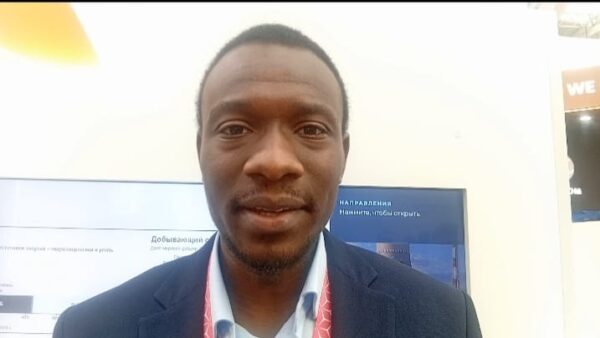
Rodwell Munyama, a medical student at Pirogov Medical University, said he was complementing his medical studies with additional training in artificial intelligence (AI) in medical practice, which he believes could help modernise Zimbabwe’s healthcare system.
“This is something that Zimbabwe actually is looking for right now, because as the rest of the world is developing in the digitalisation of medical practice, Zimbabwe would also benefit by implementing some of these technologies to better health,” he said.
Munyama said the experience gained in Russia would enable students to introduce innovative medical solutions back home.
He said the Government had sent them abroad to learn from advanced economies and bring home knowledge that would benefit communities.
“Not to want to stay here and just give back to their economy, but to take what we have learnt here, including the main things we came to study, and also other things that are related to it, to come and give back to our community,” he said.
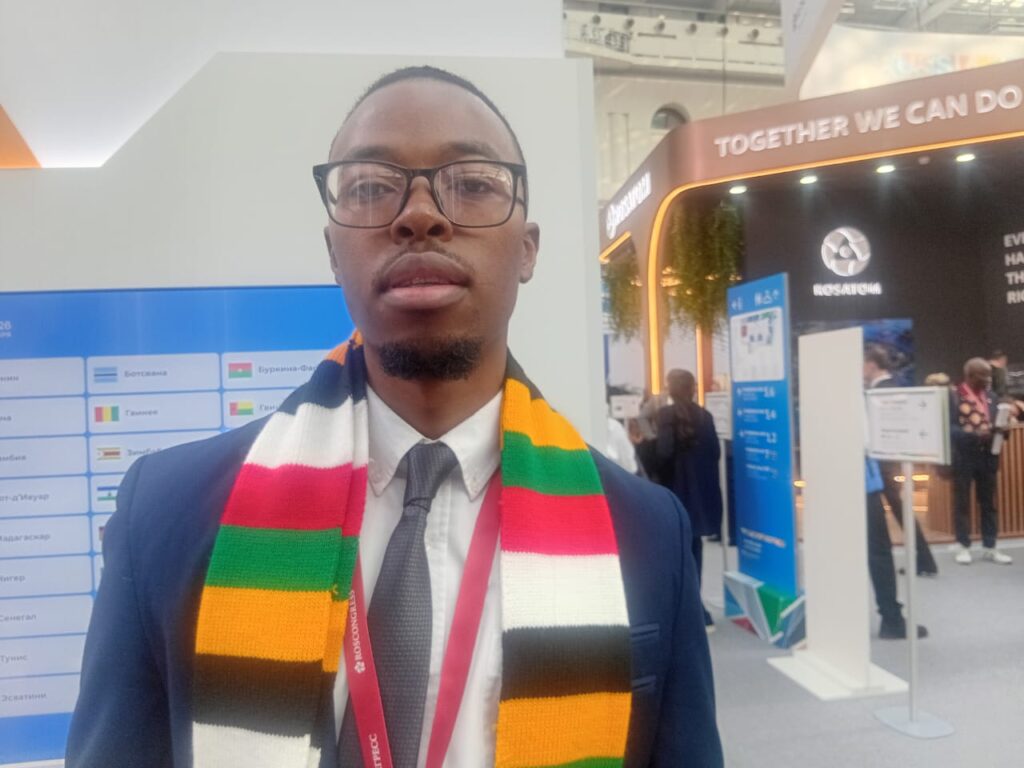
Peacemore Chisupa, a student at the Higher School of Economics in Russia, said his academic journey had evolved from aircraft engineering at undergraduate level to international studies at postgraduate level, including doctoral studies.
He said the change was motivated by the need to bridge gaps in international knowledge and technology transfer that could benefit Zimbabwe.
“I found out there was a gap between international knowledge and technology in terms of which can be transferred to our nation,” he said.
Chisupa said Russia’s expertise in energy, agriculture and technology presented opportunities for Zimbabwe, particularly through investment partnerships.
He also highlighted his internship at a medical technology company, where he gained exposure to digital solutions and high-efficiency services.
“I think this is interesting as well as Russia to gain this skill so that we can transfer them back to Zimbabwe and give an opportunity and enhance the growth and development of our country,” he said.
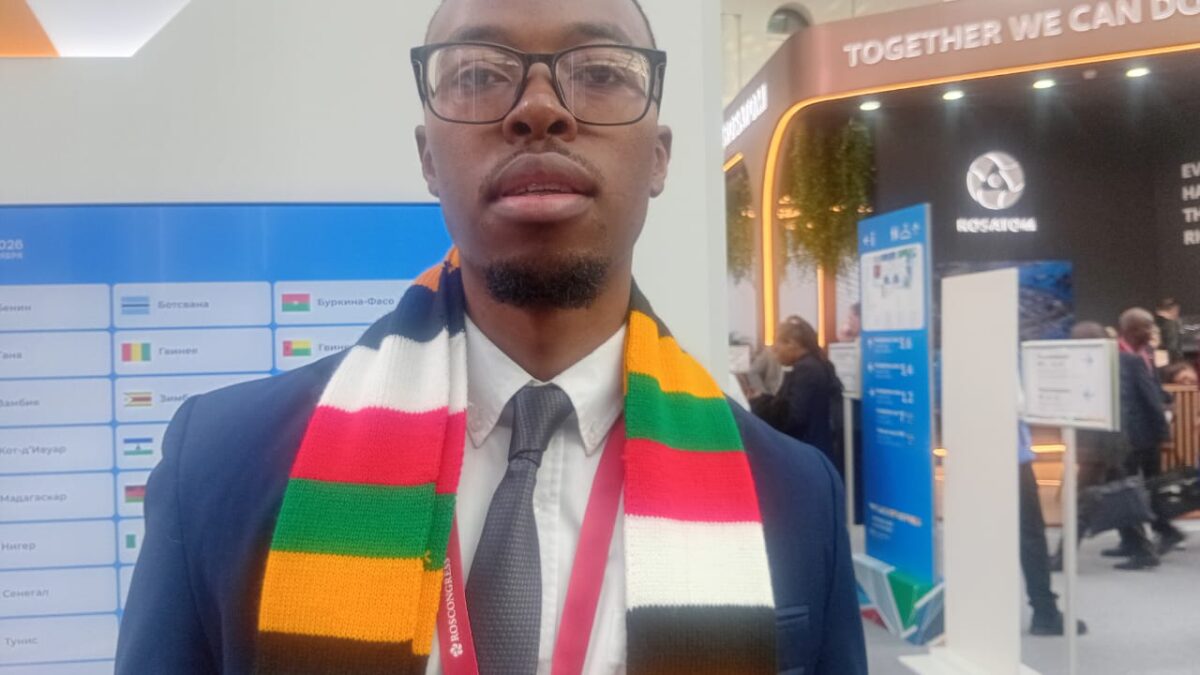
Zimbabwean Students Association in Russia president Tanaka Chiraramire said students were united by a common mission to build their country.
“We have chosen these fields on the basis of speaking directly to our Vision 2030,” he said.
President Mnangagwa urged the students to remain focused, preserve their Zimbabwean identity and avoid distractions, assuring them that Government was working to create pathways for returning graduates to contribute meaningfully to national development.
The students’ commitment reflects growing recognition that international education must translate into practical solutions, innovation and tangible benefits for Zimbabwe.