Online Reporter
Online Reporter
At least 160 specialist educators are tomorrow set to leave for Rwanda under a teacher bilateral exchange programme as the Government of Zimbabwe also negotiates with South Korea for it to be classified as an English-speaking country so as to open new job opportunities for local English teachers.
The Rwanda deal reinforces Zimbabwe’s growing role as a regional exporter of skilled professionals and deepening cooperation between the two countries in education and human capital development.
The deployment is being carried out under a Memorandum of Understanding (MoU) signed three years ago between Harare and Kigali, which provides for the exchange of skilled personnel in critical sectors such as education, health and information and communication technologies.
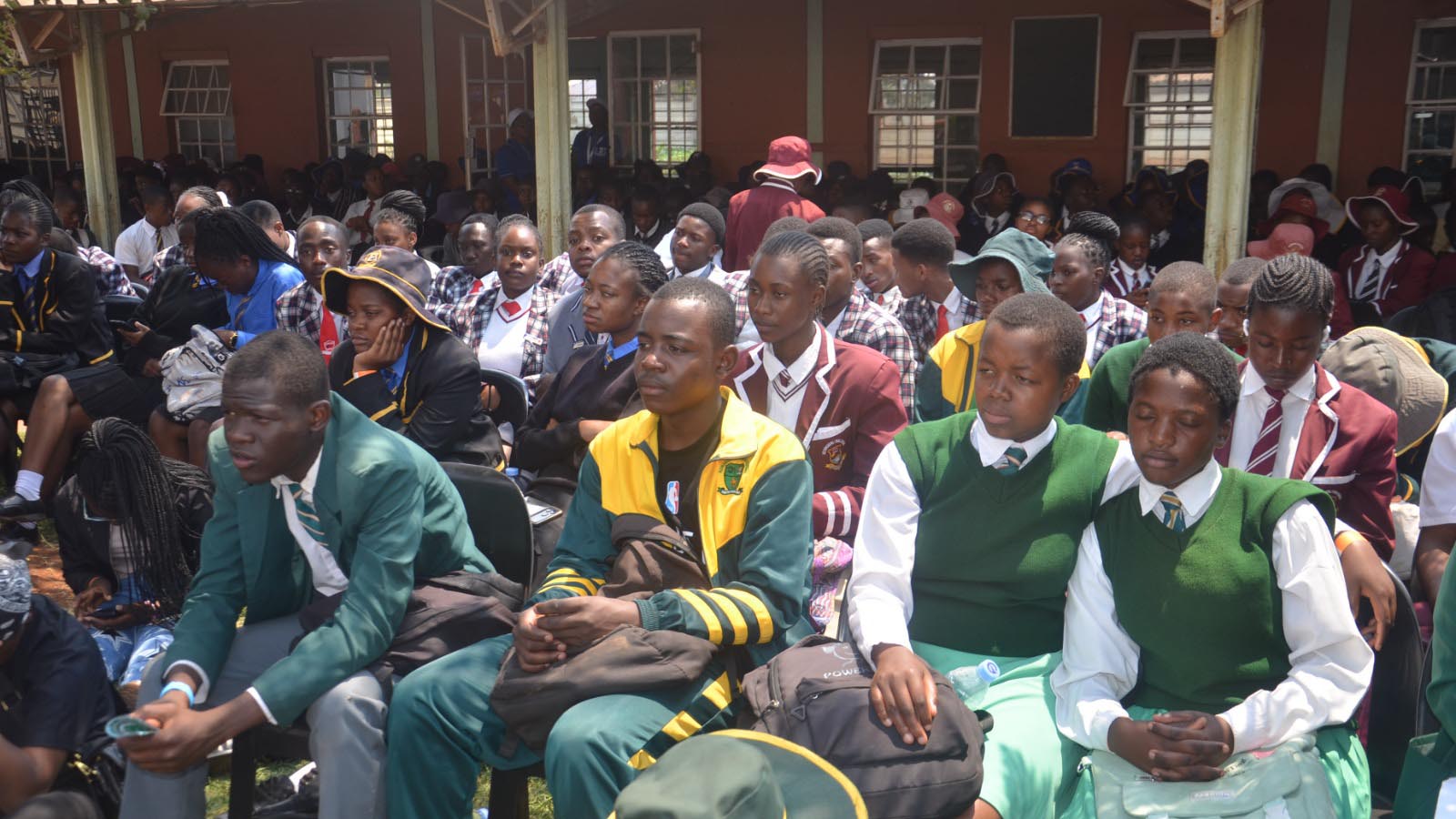
Permanent Secretary in the Ministry of Public Service, Labour and Social Welfare, Mr Simon Masanga, said the teachers underwent a comprehensive pre-departure orientation programme last week at a local school in Harare to prepare them for their assignment in Rwanda.
“We have an MoU with Rwanda focusing on the exchange of specialists between the two countries, but at the moment Zimbabwe is the one sending specialists to Rwanda,” Mr Masanga said.
He said Zimbabwe dispatched the first batch of 154 specialists, the majority of them teachers, to Rwanda three years ago, and their impact had been widely acknowledged by both the Rwandan Government and local communities.
“We have health-related professionals and ICT specialists, but the majority are education specialists and they have done wonders in Rwanda,” Mr Masanga said.
“We were in Rwanda a few weeks ago to assess both the living and working conditions of our specialists. I have never seen such excitement. They have mastered the local language, integrated into the community and the Government of Rwanda is extremely pleased with the contribution they are making,” he said.
In June last year the then Minister of Foreign Affairs and International Trade, Dr Fredrick Shava, said Zimbabwe opened negotiations with South Korea for it to be classified as an English-speaking country as the rich Asian nation was scouting for more English teachers.
Dr Shava was in the Asian country accompanying President Mnangagwa who joined other world leaders attending the South Korea-Africa Summit in June last year.
Said Dr Shava then: “English is an official language in Zimbabwe and the sole medium of instruction at all levels of education.”
Zimbabwe is known for training professionals that are on demand the world over.
Currently, health professionals are trooping to countries such as Britain, America and Australia, among others.
However, these health professionals are travelling under private arrangements, thereby making it difficult for the country to benefit from the export of its human skills.
However, with the Rwandan deal and if the new bilateral proposal with South Korea yields results, Zimbabwe will benefit from Zimbabweans formally employed in South Korea through remittances that currently stands close to US$3 billion from all global destinations.