Chronicle Editor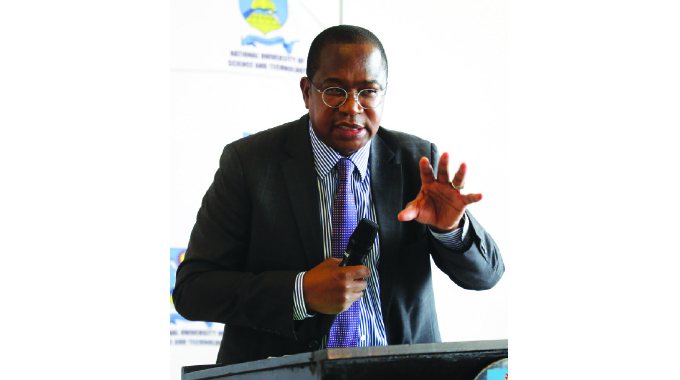
Nqobile Bhebhe, Chronicle Reporter
There is a high probability that at any gathering, be it at an office or commuter omnibus, eight in ten people could be wearing second-hand or “pre-loved” clothes as they are now commonly named.
Slightly over a decade ago, one would make concerted efforts to conceal the purchase point of his or her jacket.
However, a vast majority of people now wear second clothes, popularly known as “mabhero” because they are packed in bales, with pride and routinely refer their colleagues to their trader.
The second-hand clothing business is huge!
So big is the business that established clothing retail outlets, some listed on the Zimbabwe Stock Exchange, reference a dip in sales to second-hand outlets.
Now some university students are raising concern too, not in university corridors, but directly to the Finance and Economic Development minister, Professor Mthuli Ncube.
During a public lecture to tertiary students drawn from the National University of Science and Technology, Lupane State University, Hillside Teachers’ College, Zimbabwe Schools of Mines and Bulawayo Polytechnic College, Professor Ncube had questions to answer.
Probably he was not expecting to dwell much on clothing matters as his presentation was on “Accelerating Economic Transformation”.
He prefixed his introduction by “begging” students not to give him a tough time during the question-and-answer session, amid laughter from the auditorium.
One student, in a slow voice, quizzed the professor on clothing, the prevalence of second-hand clothing trade in virtually all major cities and towns.
“Honourable Minister, when you get into any town early in the morning and in the evening, some activity in the clothing industry is happening. When I was checking people getting into the auditorium, I observed that few officials are wearing locally made clothes and sold in proper stores.”
He continued, “It means our economy has much to do with clothing that is not manufactured locally. This mabhero business is taking foreign currency, especially United States dollars, what is the ministry doing to help the clothing industry?” he asked.
Professor Ncube said although the cotton value chain produces good cotton it has a missing link as the bulk is exported in raw form. Zimbabwe’s cotton-to-clothing manufacturing chain was vigorous in the 1990s, when it employed 35 000 workers, but in 2015 was on the verge of collapse.
The minister said generally, second-hand clothes are cheaper and normally of better quality than the new alternative.
“The mabhero sector is very active because they are selling affordable and quality second hand clothing,” he said.
To turn the tide, he said the Government has put measures to resuscitate the clothing industry.
“I have allocated a portion of the SDRs from the International Monetary Fund to support the cotton value chain for the manufacture of the cloth. A few companies will be benefiting soon from the fund to make sure they are capacitated.”
Professor Ncube said last week he had a discussion with the country’s yesteryear biggest fabric producer, David Whitehead’s chief executive officer who “was pleased with what we are planning.
“We will see the sector waking up from its deep slumber and depression through the Government efforts we are applying.”
However, a recent graduate, Nobuhle Sibindi said pre-loved clothes used to or have assisted many students who can hardly afford to buy from established outlets. She is of the view that established outlets stock uniform items which lack “style”.
“These retail outlets are now past their time, they are known to be expensive and once seen coming out from their outlets you would be respected . . . but they don’t have appealing clothing. Then the second-hand clothes came to the rescue, they are cheaper, good quality and got style,” she said.
The second-hand clothes also enhance slay queen fashion culture at campuses, she added
“So many female students become slay queens at university because of second-hand clothes. One knew that US$10 could get them dressed in style for the week, with tops going for a dollar, some US$2.”
In formal retail outlets, she would fork out anything from US$30 to US$50 for a simple top and skirt.
There is another dimension to trade in second-hand items, the e-commerce factor and tweaking of second-hand to pre-loved items.
An online trader, Siphathisiwe Nyoni said the emergency of pre-loved sections on online platforms, particularly on WhatsApp groups offer unique and economic beneficial opportunities for people and established brands to make rolling profits from various items through future resale.


 Online Reporter