Chronicle Editor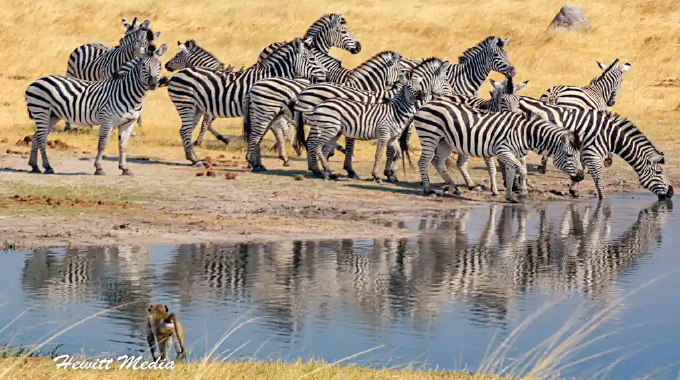
Johnson Siamachira, Correspondent
COMMUNITY wildlife tourism, largely underdeveloped because of investor scepticism over its viability, is fighting for a place in Zimbabwe’s lucrative hospitality sector.
This concept links rural development and community-based wildlife management, enabling local people to benefit from tourists while the visitors learn about the local culture and environment. But some investors argue that “home grown” tourism is risky since multi-million-dollar ventures in rural areas are likely to crumble due to poor business.
Local conservationists disagree. “Community wildlife tourism is a field which needs to be fully exploited. Several systems are being tried out in different districts in this country, with great potential,” said Communal Areas Management Programme for Indigenous Resources (Campfire) projects officer, Mr Kelvin Mfishani.
“It’s really a cash-cow if well marketed and properly managed. We are sitting on a golden goose,” he emphasises.
According to Mr Mfishani, there is much to learn from rural communities.
“They know that their future depends on their local environment and are more keen about conserving it.”
People in rural areas have taken too much blame for destroying forests, said Mr Mfishani, adding, this was an attempt to show that there are villagers who are conserving them.
Campfire believes communities must guard against cultural imitation, portraying an artificial sense of what is Africa. For example, it warns communities against allowing photographs of scantily dressed people drinking beer and other negative portrayals of African life as “raw Africa.”

Campfire also cautions on sex tourism and theft of indigenous knowledge in the form of art, rare paintings, significant cultural songs and traditional medicine. International tourism trends indicate that today’s traveller is looking beyond the conventional “sun and sea” vacation and seeking a more enriching experience.
Nature-based tourism, and tourism in developing countries, are among the fastest growing sectors of the tourism industry which is itself the world’s fastest growing industry, according to the UK-based International Institute for Environment and Development (IIED).
Zimbabwe is well placed to take advantage of this trend, with varied opportunities for communities to engage in tourism, given the wild resources, attractive landscape and cultural heritage in which they live.
Tourism is one of the country’s key economic pillars.
As Zimbabwe positions itself for a decade of economic growth to achieve its vision of becoming a prosperous and empowered upper middle-income country by 2030, there is a need to substantially harness development opportunities in the biodiversity economy, says Dr Nqobizitha Mangaliso Ndlovu, former Minister of Environment, Climate and Wildlife, in a foreword to the Zimbabwe Biodiversity Economy (ZBE) report.
But most communities need access to specialist advice and marketing skills. For example, many communal areas in Zimbabwe are remote and inaccessible, and rural communities often lack sufficient funds for the high quality infrastructure needed by tourists.
The development of tourist facilities is also being constrained by the lack of secure land tenure and the prohibitive costs of providing roads, accommodation and telecommunications.
However, conservationists warn that giving large numbers of tourists uncontrolled access to environmentally fragile areas will destroy the concept and the country’s delicate ecological balance. They are urging the Government to introduce tangible measures to minimise the negative effects. To make the most of community tourism in rural areas, people need clearly defined secure access to their natural resources, as well as training and technical assistance to successfully design and manage projects. This includes marketing training, and the provision of credit and market research.
A new tourist site takes a few years to get established. Since rural communities cannot afford to wait a few years, they need to combine tourism projects with more immediate income generating activities like trophy hunting and selling natural produce such as wild fruits.
The wildlife sector in Zimbabwe contributes significantly to Zimbabwe’s economy through nature-based tourism, sport hunting and agriculture. Sport hunting generates significant revenue, with an average of US$28 859 per hunter and US$33 million in Gross Domestic Product (GDP), says the ZBE report.

The ZBE report adds, “In 2019, more than 33 percent of all foreign tourists visited state protected areas, generating 4,1 percent of GDP and 5,6 percent of employment through nature-based tourism. Wildlife also underpins crop productivity in agriculture, and research shows that switching from agriculture to wildlife and nature-based tourism can lead to substantial increases in wages, land value and employment.
To residents living in or near wildlife areas, tourism can offer new opportunities for jobs, enterprises and skill development. It can also be a way to earn benefits from parks, wildlife and tourists that in the past have only brought costs, a means to make wildlife management financially viable, or a strategy for securing more community control over use of land and natural resources.
Most conservationists now recognise the crucial role played by local people in managing wildlife and habitat, and many have adopted the “if tangible benefits from wildlife management can be realised and, incentives for conservation created”.
“Nature-based tourism should benefit communities if they own the tourism enterprises, not just providing entertainment to tourists through song and dance,” says Kaddu Sebunya, chief executive officer of the Wildlife Foundation. His institution implements conservation projects around protected areas in Zimbabwe.
He adds: “By investing in sustainable tourism practices and conservation efforts, we can unlock the economic and societal benefits that nature offers within our communities.”
Donors, also, are increasingly interested in funding projects which combine tourism development with a high degree of community participation, says IIED. Such projects fit within strategies to make tourism more pro-poor, and/or to promote local benefits from sustainable use of natural resources, integrating conservation and development. – New Ziana


 Online Reporter