

 daniel chigunwe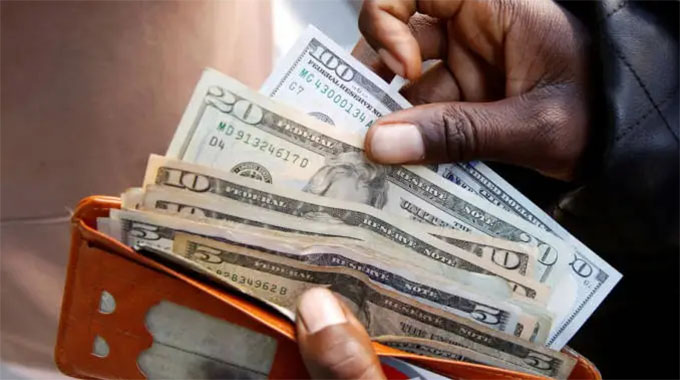
Nelson Gahadza
Zimbabwe, as a dollarised economy, may feel some economic implications of the recent outcome of the United States of America (USA) elections, experts have said.
Donald Trump was recently re-elected the USA president, and his foreign policy towards Zimbabwe in his first term was largely a continuation of previous US policies where there was limited direct engagement or new policy initiatives aimed specifically at Zimbabwe.
FBC Securities, in its report on the outcome of the elections, said Zimbabwe exports face a US trade shakeup, impacting the trade balance.
FBC said higher US tariffs on global trade may reduce demand for Zimbabwe’s key exports, like minerals, worsening the foreign currency liquidity woes the economy currently faces.
“A stronger US dollar increases the cost of imports from dollar-denominated markets, which could strain Zimbabwe’s economy, given its dependence on foreign goods, energy, and raw materials,” reads the report.
FBC noted that the messaging around Trump’s campaign points to possible US tax cuts, high import tariffs, a review of US immigration policy, and potential tougher sanctions on oil-producing Iran and Venezuela.
It said these policies and Trump’s “America First” policy are likely to strengthen the US dollar, the US economy, and the performance of US equity markets.
On capital markets, FBC said a stronger dollar and higher US yields on equities may redirect capital away from Zimbabwe’s equities, impacting sectors like mining and banking that rely on foreign investment.
The research and stockbroking firm said the new US administration will also impact Zimbabwe’s public debt as Zimbabwe’s foreign debt is mostly in US dollars; hence, a stronger dollar increases repayment costs, potentially straining government finances.
In a recent statement, the government said Zimbabwe’s total public debt is estimated at US$21 billion as of June 2024, with external debt at US$12,3 billion, while domestic debt amounts to US$8,7 billion.
It said external debt is owed to bilateral and multilateral creditors, with the latter accounting for US$3,1 billion.
Out of this multilateral debt, $681 million is owed to the African Development Bank, $1,5 billion to the World Bank, and $427 million to the European Investment Bank.
FBC said USA immigration policies are likely to suppress remittances to Zimbabwe’s economy, which relies on remittances as a source of foreign exchange.
“The economy could face additional strain, particularly if US immigration policy becomes stricter and targets undocumented workers who send money back home,” reads the report.
However, economist Eddie Cross told Business Weekly that the US is likely to lift the sanctions against Zimbabwe in early 2025 when the ZDERA comes up for annual renewal in March.
“This will help us manage our debt and our relations with the global financial system,” he said.
He indicated that while we are dollarised, we cannot be really competitive, and there is a need for our own currency as soon as possible.
Since 2009, Zimbabwe has operated under a dollarised economy, primarily using the US dollar to stabilise its financial system and curb hyperinflation.
Business analyst Kuda Mundowozi said improved diplomatic relations could lead to increased access to international capital and markets.
He said the USA has been involved in various agricultural development projects in Zimbabwe, aimed at boosting food security and improving agricultural productivity through technical assistance, training, and financial support for smallholder farmers.
“The future looks promising for Zimbabwe as it navigates the complexities of a dollarised economy and strengthens its relations with the USA. With continued political stability and sound economic policies, Zimbabwe is poised for a period of sustained growth and development,” he said.
Economist Dr Prosper Chitambara said the outcome of the recent election has been received positively generally across the world, and even markets responded positively.
“What he is proposing to do, especially around tax cuts, will result in massive wealth creation, not just for the U.S. economy but for the global economy,” he said.



 Online Reporter