Online Reporter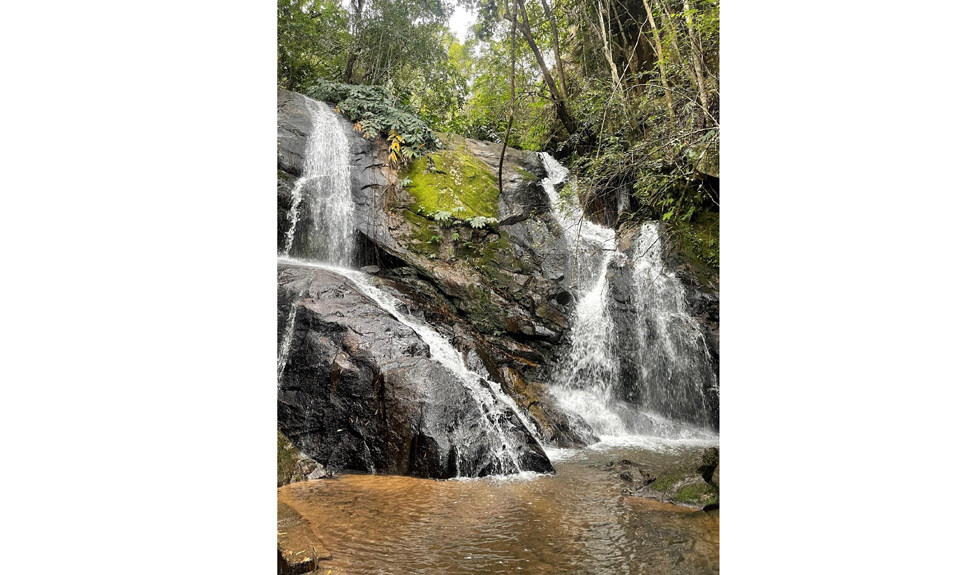
Lloyd Makonya
Correspondent
WHEN Forbes unveiled its highly anticipated list of the World’s Best Destinations for 2025, Zimbabwe rose to the top.
This was a first for the southern African nation often celebrated for its resilient spirit and breathtaking landscapes.
Describing the country as “a mosaic of rugged wild terrain and deep ancestral heritage,” Forbes noted that Zimbabwe’s story is one of rediscovery, where ancient wonders and unspoiled nature converge to create a traveller’s paradise.
The recognition, which places Zimbabwe ahead of global heavyweights such as Japan, New Zealand and Italy, cited the magnetic pull of Victoria Falls and the Great Zimbabwe national monument as central to the country’s appeal.
“The Zambezi crashes into thunderous gorges below, sending mist into the air that often catches the sun in fleeting rainbows,” the magazine wrote, vividly capturing the awe of Victoria Falls.
Equally celebrated were the Great Zimbabwe ruins: “A powerful reminder of the country’s layered past,” which continue to fascinate visitors with their intricate stone architecture and royal mystery.
But beyond these well-trodden icons, Forbes pointed to a quieter, lesser-known jewel, Zimbabwe’s Eastern Highlands calling it “a landscape of cloud-covered slopes, mist-laced mornings and winding mountain trails that reward the slow traveller with moments of deep stillness.”
This global recognition could not have come at a better time.
Zimbabwe’s tourism sector has been on a steady recovery trajectory, with 2024 recording over 1,6 million international arrivals and generating an estimated US$1,2 billion in tourism receipts, according to the H&C Times.
The same report highlighted growing investor confidence in the sector, with tourism investments topping US$190 million a clear signal that the industry is gaining momentum.
For decades, the Eastern Highlands stretching from the rolling tea estates of Honde Valley to the pine-covered slopes of Nyanga, the lush Vumba mountains and rugged Chimanimani mountains have remained the country’s best-kept secret.
Cool, misty and scenic, this region offers a perfect counterpoint to the dry heat of the lowveld and the thundering drama of Victoria Falls.
Now, with Zimbabwe basking in Forbes’ global spotlight, the Eastern Highlands stands on the threshold of a tourism renaissance. The recent establishment of a direct flight route linking Harare, Mutare’s Grand Reef Aerodrome and Victoria Falls has made it possible for travellers to experience both destinations in one seamless journey. As Travel and Tour World recently reported, “the Harare–Mutare–Victoria Falls route has been made a permanent daily service to boost domestic and international tourism, creating a viable link between the country’s major attractions.”
This newfound connectivity opens doors for creative packaging.
Imagine a traveller arriving in Victoria Falls for three nights of adventure through helicopter flights over the Falls, sunset cruises on the Zambezi and wildlife encounters in Hwange, before boarding a short domestic flight to Mutare.
Within hours, they could find themselves surrounded by waterfalls of another kind, the gentle cascades of Mutarazi and Pungwe, the rolling mist of the Vumba and the tranquil forests of Nyanga.
It is this combination of spectacle and serenity that gives Zimbabwe its unmatched tourism diversity.
The thundering majesty of Victoria Falls may capture headlines, but the soul of Zimbabwe arguably resides in the Eastern Highlands Tourism experts agree that global endorsements like Forbes’ are more than just flattering headlines; they are calls to action.
They open a window of heightened curiosity among travellers and investors, and it is a window that must be seized before it closes.
The Ministry of Tourism and Hospitality Industry has already signalled its intention to ride this wave, with efforts underway to position Zimbabwe as a “must-visit destination” for 2025.
For the Eastern Highlands, this means moving quickly to align local operators, hospitality providers and communities toward building packages that can appeal to foreign markets.
Industry players are being encouraged to develop multi-destination experiences that link Victoria Falls and the Eastern Highlands, a strategy that can help increase visitor stays and revenue.
For example, a “Victoria Falls and Eastern Highlands Adventure” itinerary could include adrenaline-packed days in Victoria Falls followed by wellness and hiking in the Eastern Highlands.
Tour operators can also capitalise on the global wellness trend by marketing the region as a retreat for the mind and body, offering soul searching retreats, mountain walks, tea estate tours and forest bathing experiences.
As Forbes noted in its review: “The Eastern Highlands are where travellers go to slow down, breathe deeply and reconnect with nature.”
If there was ever a time for the Eastern Highlands to step out of the shadows, it is now.
The global spotlight provided by Forbes, combined with improved air connectivity and renewed confidence in Zimbabwe’s tourism sector, creates an unprecedented opportunity.
To maximise this potential, collaboration will be key. The Ministry of Tourism and Hospitality Industry, local tourism associations, local authorities and private operators must work hand-in-hand to improve infrastructure, train guides, upgrade lodges and ensure a cohesive marketing narrative that highlights the Eastern Highlands’ distinct character.
At the same time, sustainable and community-based tourism should remain at the heart of this growth. By ensuring that local communities benefit directly from tourism, Zimbabwe can maintain the integrity of its product while deepening the visitor experience.
As the EU Delegation to Zimbabwe noted in its congratulatory statement, the Forbes ranking is not just an accolade, it is: “A recognition of Zimbabwe’s growing commitment to sustainability, cultural preservation and responsible tourism.”
For Zimbabweans, it is also a reminder that global recognition must translate into tangible benefits at home in jobs, investment and pride in national identity. The Eastern Highlands, long the quiet beauty of the nation, can finally take its rightful place alongside Victoria Falls and Great Zimbabwe as a cornerstone of the country’s tourism story. There may be no better time than now for Zimbabwe to tell that story loudly, confidently and beautifully.