

 Online Reporter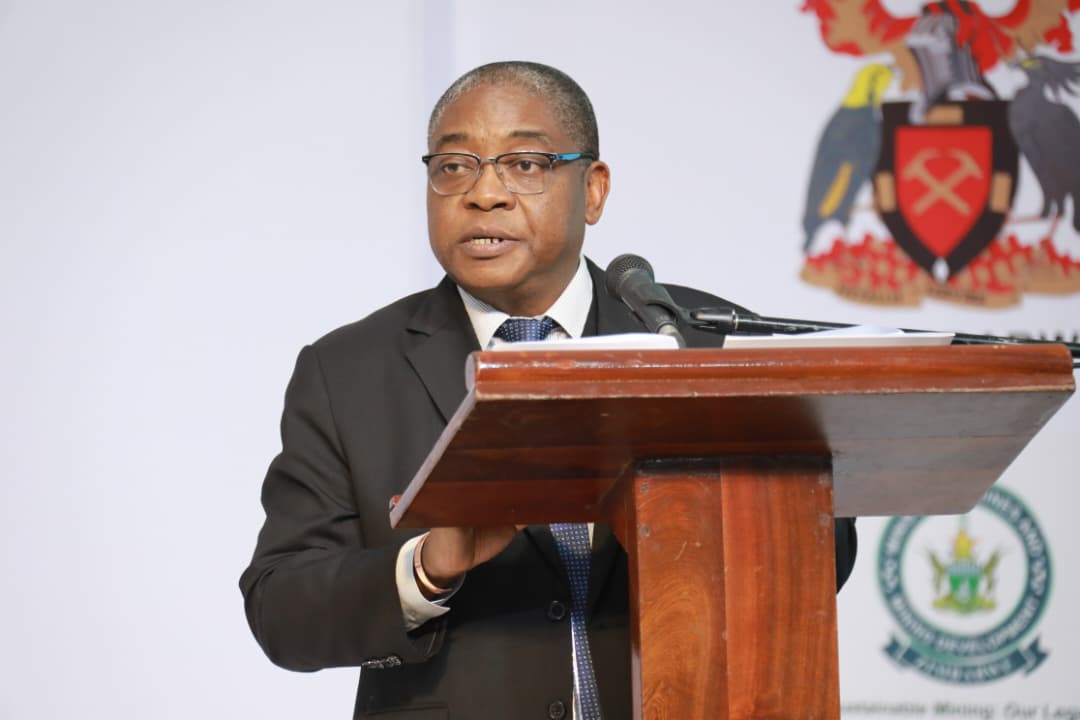
Nqobile Bhebhe [email protected]
THE Chamber of Mines of Zimbabwe has called for increased investment in mineral exploration, saying sustained exploration is critical if the country is to unlock the full value of its vast mineral endowment, attract fresh investment and cement its position as a globally competitive mining destination.
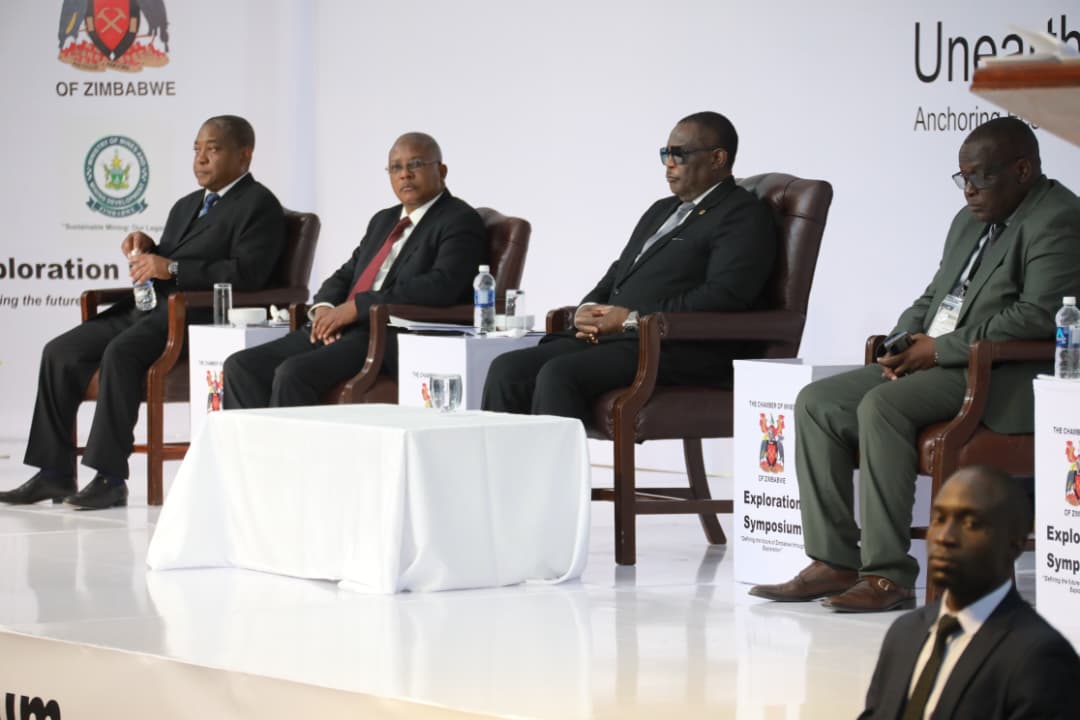
Speaking during the inaugural Exploration Symposium held as part of the 29th edition of Mine Entra in Bulawayo on Thursday, Chamber of Mines of Zimbabwe president Mr Fungai Makoni said exploration was the foundation upon which a sustainable mining industry is built and urged Government and industry stakeholders to prioritise exploration initiatives.
The symposium, one of the flagship events of Mine Entra 2026, comes as Zimbabwe intensifies efforts to expand its mining industry through the discovery of new mineral deposits to sustain long-term production, attract investment and advance its ambition of building a US$12 billion mining economy.
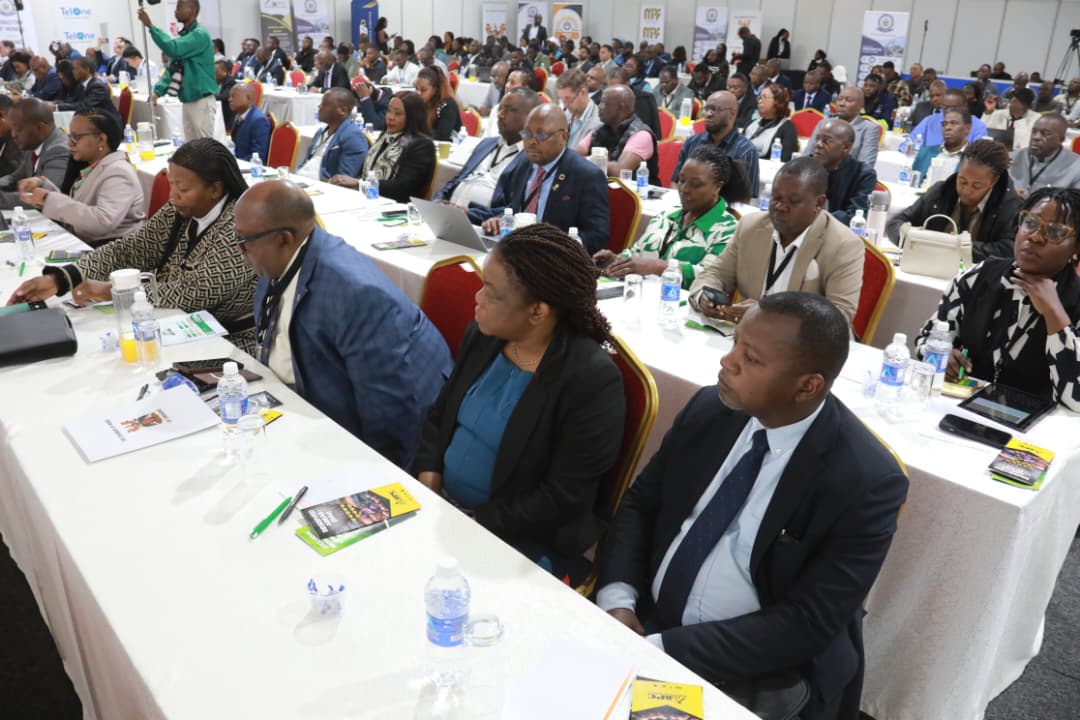
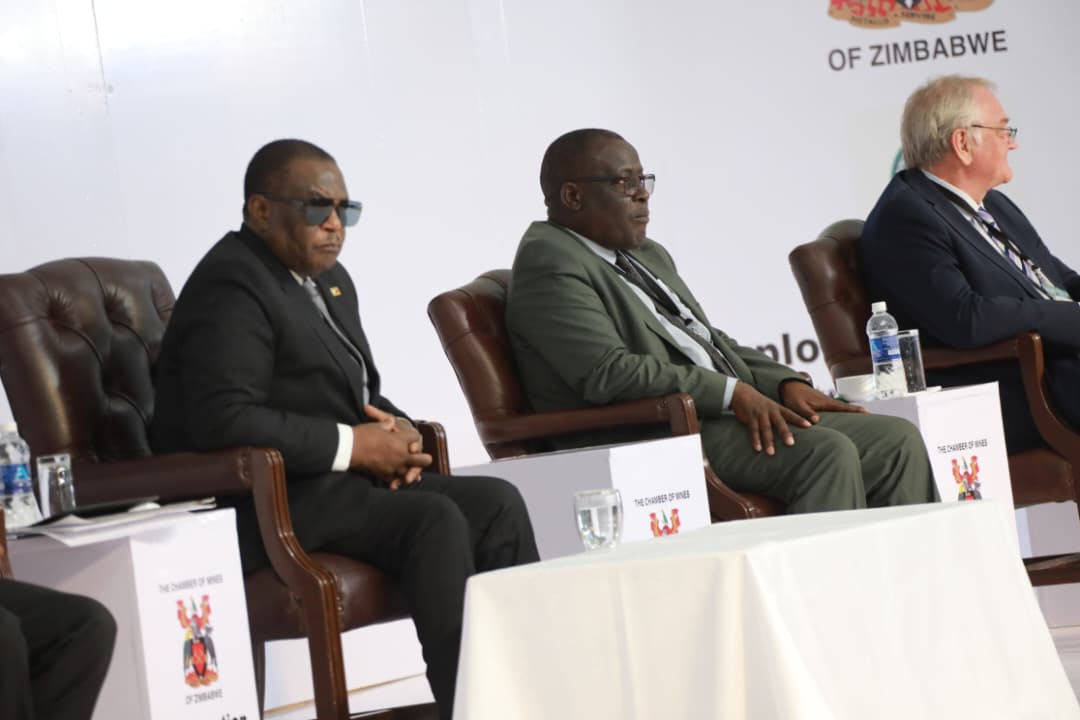
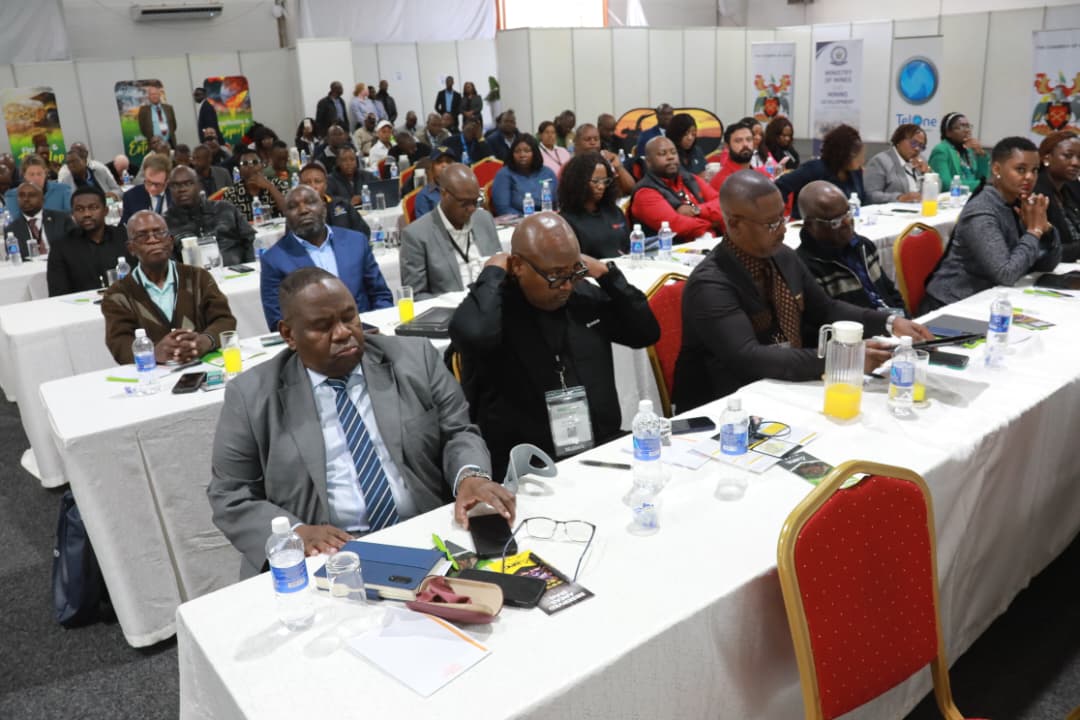
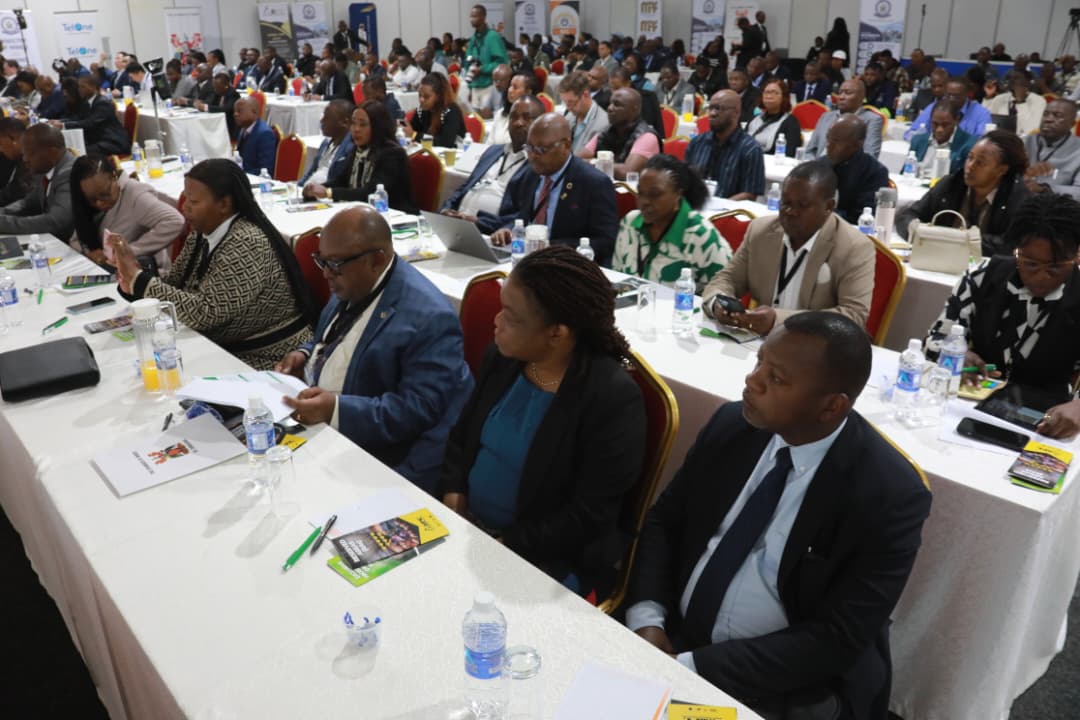
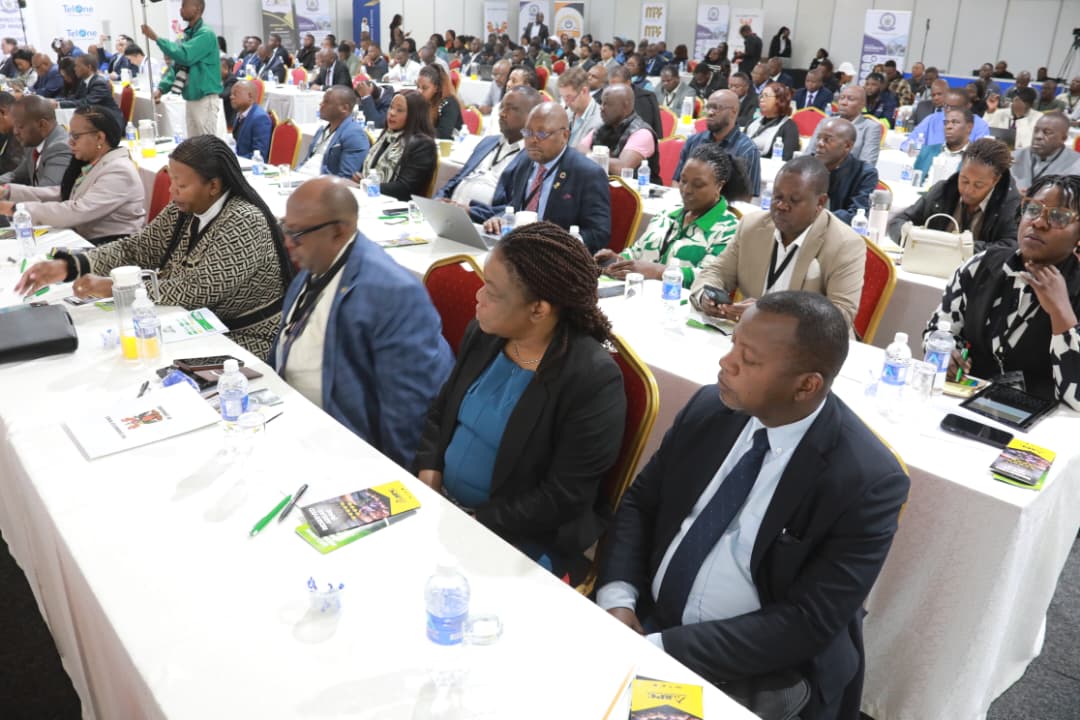
Held under the broader Mine Entra theme, “Unearth, Transform, Prosper: Anchoring Economic Transformation through Mining Value Chains,” the symposium attracted Government policymakers, global exploration experts, geologists, investors, mining executives and financial institutions to deliberate on strategies for strengthening mineral exploration, promoting junior mining companies and deploying modern technologies to improve mineral discovery.
Mr Makoni said the symposium was being held at a time when Zimbabwe’s mining sector was experiencing unprecedented growth.
“Today’s Exploration Symposium comes at a time when the mining industry has embarked on a vibrant growth path, which has seen the sector’s contribution to the national economy more than double over the past decade.
“The industry’s contribution to GDP has increased from approximately 8 percent in 2016 to nearly 18 percent in 2026, while mineral exports have grown from around US$3 billion to more than US$8 billion over the same period.
“This growth has emanated mainly from expansion and brownfields projects, with few greenfields projects having been discovered in the past 10 years,” he said.
Mr Makoni noted that while Zimbabwe possesses one of the richest and most diverse mineral endowments in Africa, exploration has not kept pace with the country’s enormous geological potential.
“Our country boasts over 60 economically exploitable minerals that are critical to the global energy transition.
“Despite this exceptional mineral wealth, it is widely acknowledged that Zimbabwe remains significantly unexplored.
“Large portions of our greenstone belts, sedimentary basins and frontier geological terrains have not benefited from modern exploration.
“This presents an enormous opportunity for new discoveries that can transform our mining sector and contribute meaningfully to national economic development,” he said.
Zimbabwe is endowed with more than 60 known mineral occurrences, including gold, platinum group metals, lithium, chrome, diamonds, coal, copper and rare earth elements.
However, large sections of the country’s geological potential remain underexplored, presenting significant opportunities for new discoveries, increased investment and future mine development.
Mr Makoni identified outdated geological information as one of the major constraints limiting exploration activity.
He said Zimbabwe’s existing National Geological Map, which dates back to 1977, has served the country well but now requires modernisation to meet the needs of contemporary exploration investors.
“A key challenge that has constrained exploration has been the availability of up-to-date geological information. Zimbabwe’s existing National Geological Map has served the country for decades, with this widely-used edition dating back to 1977.
“It has therefore remained the principal national reference for nearly five decades.
“While this map has underpinned many successful mineral discoveries, advances in geological science, geospatial technologies and exploration methods now necessitate a modern, digitally integrated geological database to improve its use in the global environment,” he said.
Mr Makoni welcomed ongoing efforts by the Zimbabwe Geological Survey to modernise the country’s geological information.
“Encouragingly, the Zimbabwe Geological Survey, working with international partners, has embarked on initiatives to update and digitise the country’s geological capabilities,” he said.
He stressed that sustained investment in exploration was indispensable to the future of Zimbabwe’s mining industry.
“Exploration is the lifeblood of mining. Without sustained investment in exploration, there can be no new mines, no expansion of mineral resources and no modern mining systems.
“There can be no new mines, no expansion of mineral resources, no long-term production growth and ultimately a sustainable mining industry.
“If Zimbabwe is to realise its ambition of becoming a globally competitive mining destination and maximise the value of its vast mineral resources, exploration must remain a national priority,” said Mr Makoni.
He said every successful mining operation begins with exploration and urged stakeholders to support initiatives that will expand the country’s mineral resource base.
“The Chamber of Mines firmly believes that successful exploration forms the foundation of the entire mining industry. Every mining operation today began with a geological idea, followed by exploration, discovery and investigation.
“The discoveries we make today will determine the mining industry that is inherited by generations to come,” he said.
The symposium is expected to produce practical recommendations to accelerate exploration activity, expand Zimbabwe’s mineral resource base and reinforce mining’s position as Zimbabwe’s largest export-earning sector and a key driver of industrialisation, value addition and economic transformation.


 Bongani Ndlovu