Bongani Ndlovu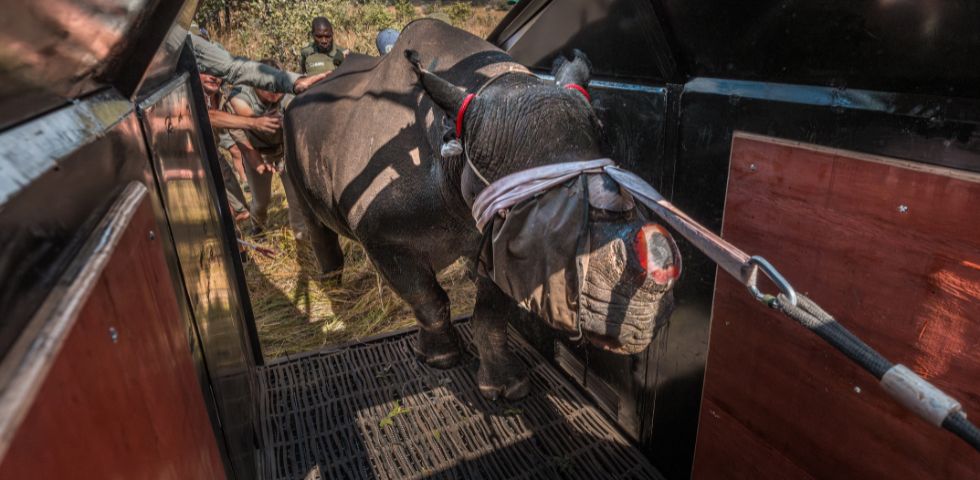
Fairness Moyana, [email protected]
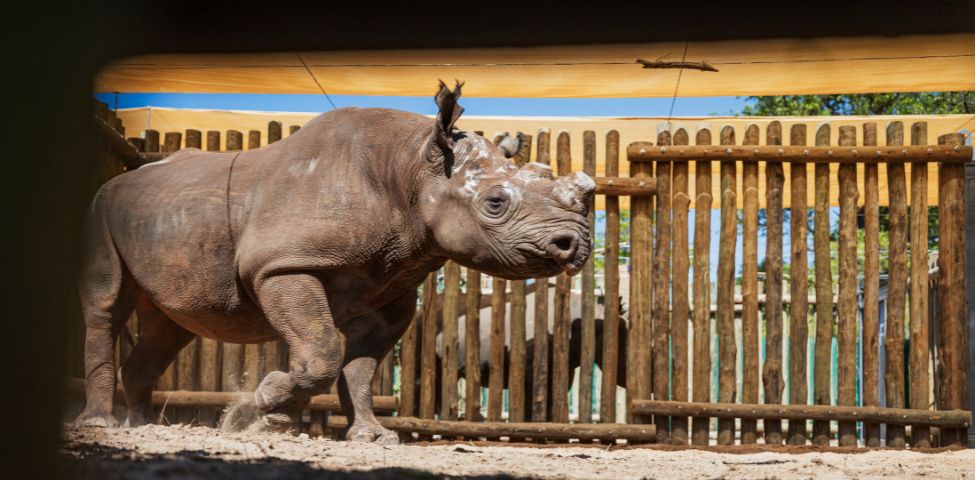
A group of critically endangered black rhinoceros has been reintroduced into Matusadona National Park in a landmark conservation achievement that marks the return of one of Zimbabwe’s most iconic wildlife species to its historic range after more than three decades.
The translocation of the black rhinos (Diceros bicornis) to the park on the shores of Lake Kariba represents a major milestone for Zimbabwe’s conservation efforts and restores a species that once played a defining role in the ecology of the Zambezi Valley landscape.
Before widespread poaching devastated rhino populations in the late 1980s and early 1990s, Matusadona National Park and the wider Sebungwe Region supported one of the country’s largest contiguous populations of black rhino.
As poaching intensified, the Zimbabwe Parks and Wildlife Management Authority (ZimParks) relocated surviving animals from high-risk areas to safer intensive protection zones across the country.
The latest reintroduction brings the species back to its ancestral habitat, with some of the animals being direct descendants of rhinos removed from Matusadona more than 30 years ago.
The animals were sourced from Imire Rhino and Wildlife Conservancy, Matobo National Park and World Heritage Site, and another private conservation area. They were transported in specially designed crates and airlifted to Matusadona as part of a carefully coordinated operation involving conservation partners and wildlife authorities.
Speaking on the development, ZimParks director-general, Professor Edson Gandiwa, described the return as a historic moment for Zimbabwe.
“The return of black rhino to Matusadona National Park is a historic event and a proud moment for Zimbabwe’s conservation efforts. It is a testament to what is possible when Government, conservation organisations and local partners work together with shared purpose,” he said.
Prof Gandiwa said ZimParks had long believed that Matusadona possessed the suitable habitat required to sustain a viable rhino population and that recent improvements in security and management had created the conditions necessary for their return.
The reintroduction is aligned with Zimbabwe’s National Rhino Strategy, which seeks to establish a founder population in Matusadona that can contribute to the country’s broader rhino metapopulation over the next 15 years.
Conservationists say the successful operation is the culmination of decades of dedicated wildlife protection efforts by Government, local communities and conservation partners.
Imire Rhino and Wildlife Conservancy manager Mr Reilly Travers said the moment symbolised years of hard work and commitment by conservationists, rangers and communities.
“Today is not only about the rhino themselves, but about the extraordinary dedication shown over the past 25 years by rangers, conservationists, partners and local communities who helped safeguard these animals for their eventual return to their rightful home range,” he said.
Matusadona National Park manager Mr Michael Pelham, who witnessed the species’ decline in the 1990s, said seeing the animals return was deeply emotional.
“I was here in the 1990s when we lost them. I helped capture the last survivors and fly them out to safety, not knowing if the species would ever come back. Having witnessed the rhino’s catastrophic decline in Matusadona, it is incredibly emotional to see their return,” he said.
The return of the black rhino has also received strong backing from local communities living around the park. Traditional leaders including Chief Mola, Chief Masampakaruma,
Chief Nebiri and Chief Negande have actively supported the initiative and advocated for the restoration of the species.
Community Liaison Manager for Matusadona Conservation Trust, Mr Daniel Sithole, said the reintroduction belonged to all Zimbabweans.
“These animals carry the genetics of this landscape. Their return belongs to Zimbabwe and to every Zimbabwean who always planned and hoped for their return,” he said.
The translocation operation was led by the Matusadona Conservation Trust, ZimParks and African Parks Network, with support from several international conservation organisations and donors.
Matusadona National Park, which covers approximately 140 700 hectares stretching from the shores of Lake Kariba into the Zambezi Valley, was once renowned as a stronghold for both black rhino and African elephants. Conservationists believe the return of black rhino will strengthen biodiversity, enhance tourism potential and contribute to the growth of a conservation-led local economy benefiting both people and wildlife.


 Online Reporter