Online Reporter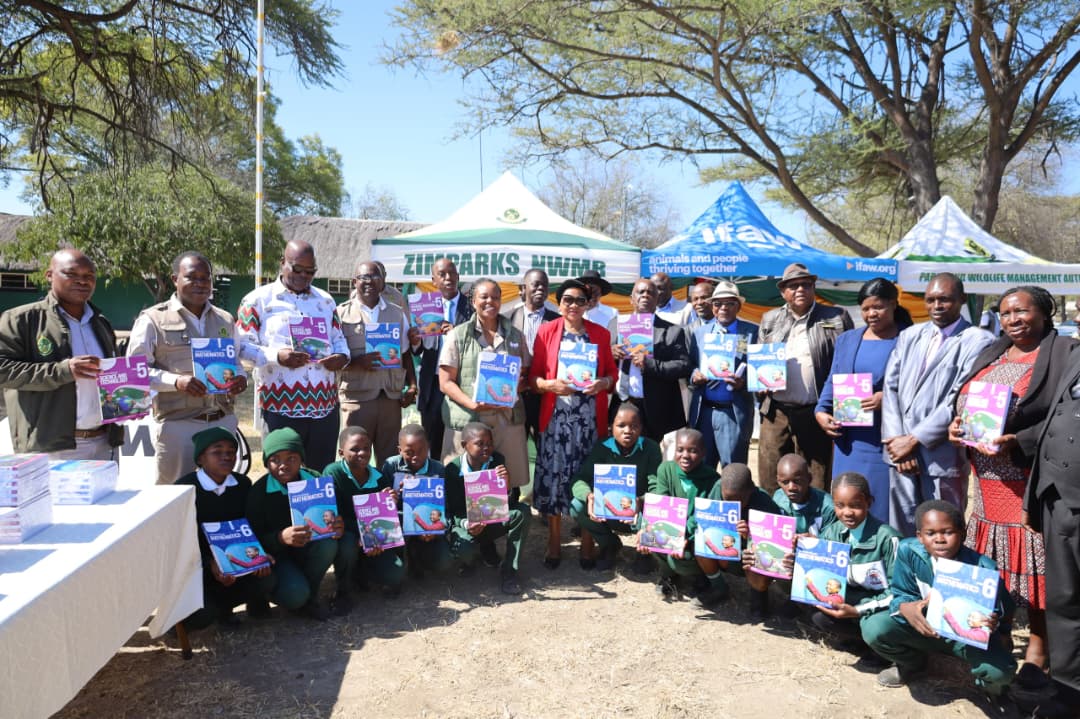
Rutendo Nyeve in Hwange
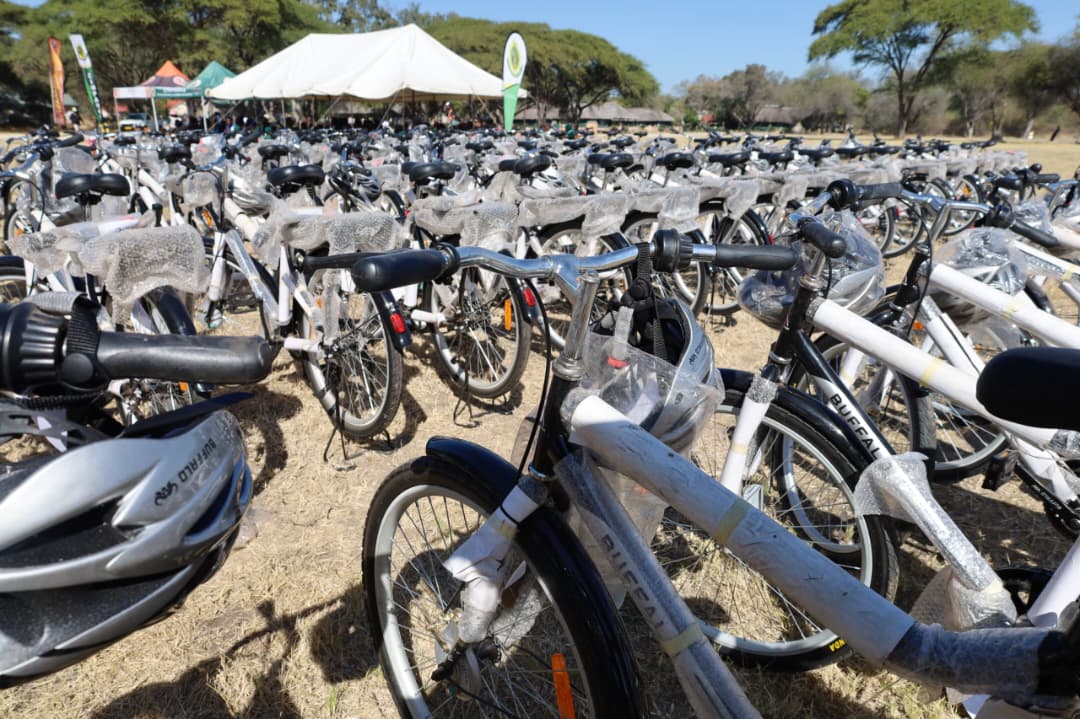
MORE than 100 bicycles and over 2 000 new curriculum textbooks have been handed over to schools in Hwange through a partnership between the Zimbabwe Parks and Wildlife Management Authority (ZimParks) and the International Fund for Animal Welfare (IFAW).
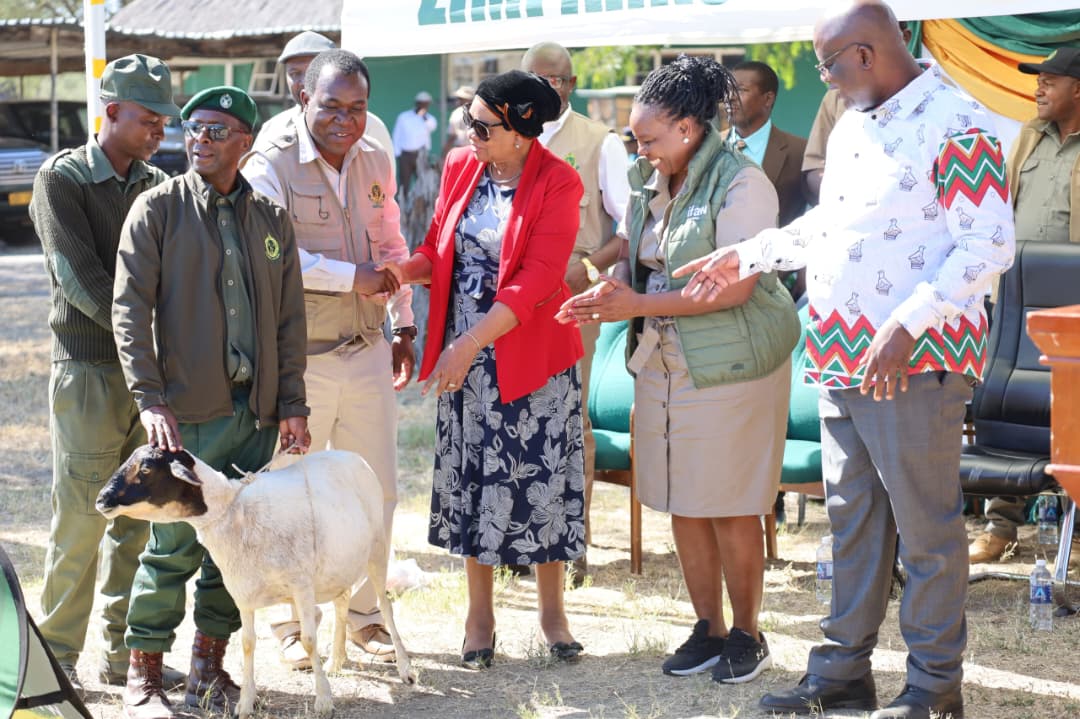
The donation, valued at approximately US$48 283, was officially handed over on Thursday at Hwange National Park by the Minister of Environment, Climate and Wildlife, Dr Evelyn Ndlovu.
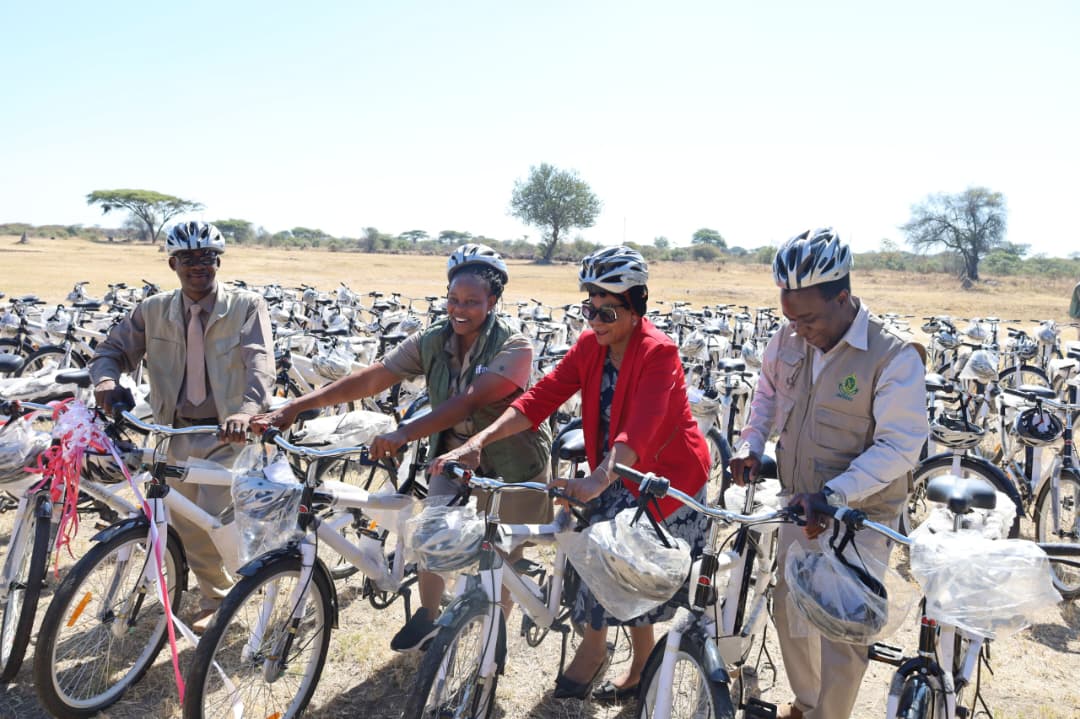
Dubbed the Riding for Conservation and Textbook Initiatives, the programme targets learners in communities bordering the park, where some children walk up to 15 kilometres through dangerous wildlife corridors before dawn. Many arrive late or fail to attend school altogether, with girls particularly vulnerable to dropping out.
“Today’s event is about transforming lives, strengthening communities, improving educational access and building a future where conservation and human development move hand in hand,” said Dr Ndlovu.
She said learners frequently encounter elephants and other dangerous animals on their journeys to school, negatively affecting attendance and academic performance.
With the latest donation of 115 bicycles, the total number distributed under the initiative has now reached 365.
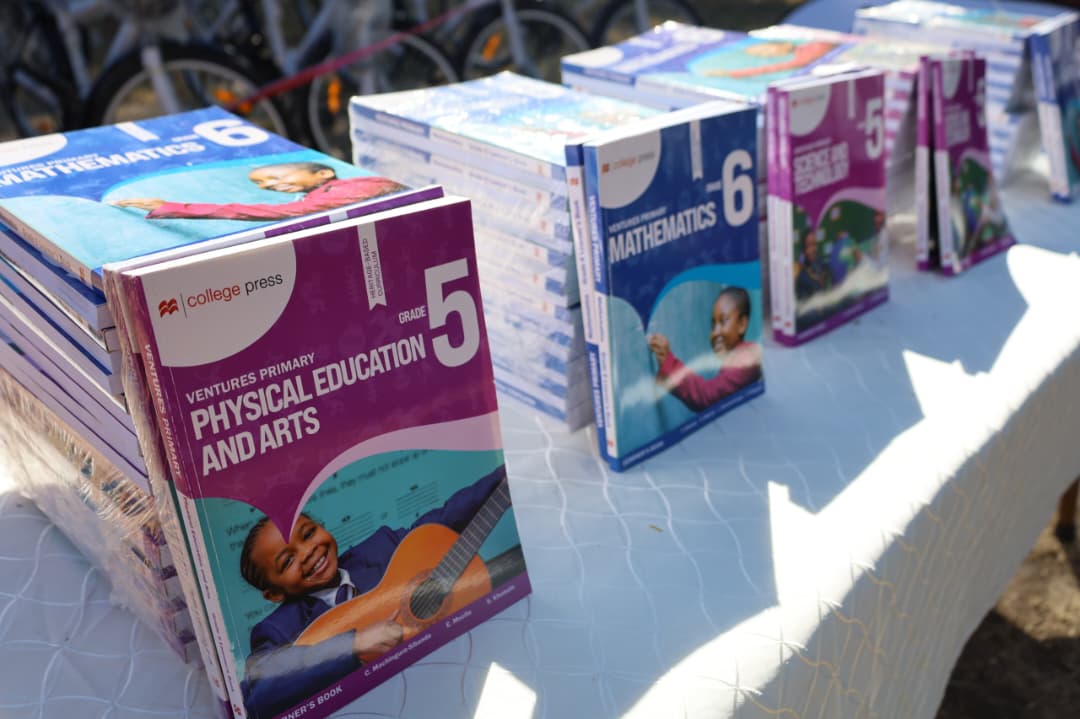
The bicycles and textbooks form part of a broader US$1,3 million investment under the Environmental Stewardship Programme in the Hwange-Matetsi landscape.
Dr Ndlovu also raised concern over child pregnancies in Matabeleland North and called on communities to protect young girls and support their education.
IFAW Zimbabwe Country Director, Ms Alleta Nyahuye, said conservation efforts could not succeed without educated communities that view wildlife as an asset rather than a burden.
Matabeleland North Provincial Education Director, Mr Jabulani Mpofu, described the donation as a strategic intervention that is expected to significantly improve educational outcomes.
“This donation literally protects life while promoting learning,” said Mr Mpofu.
He projected that the initiative would reduce learner lateness by 85 percent and improve pass rates by between 20 and 30 percent.