Online Reporter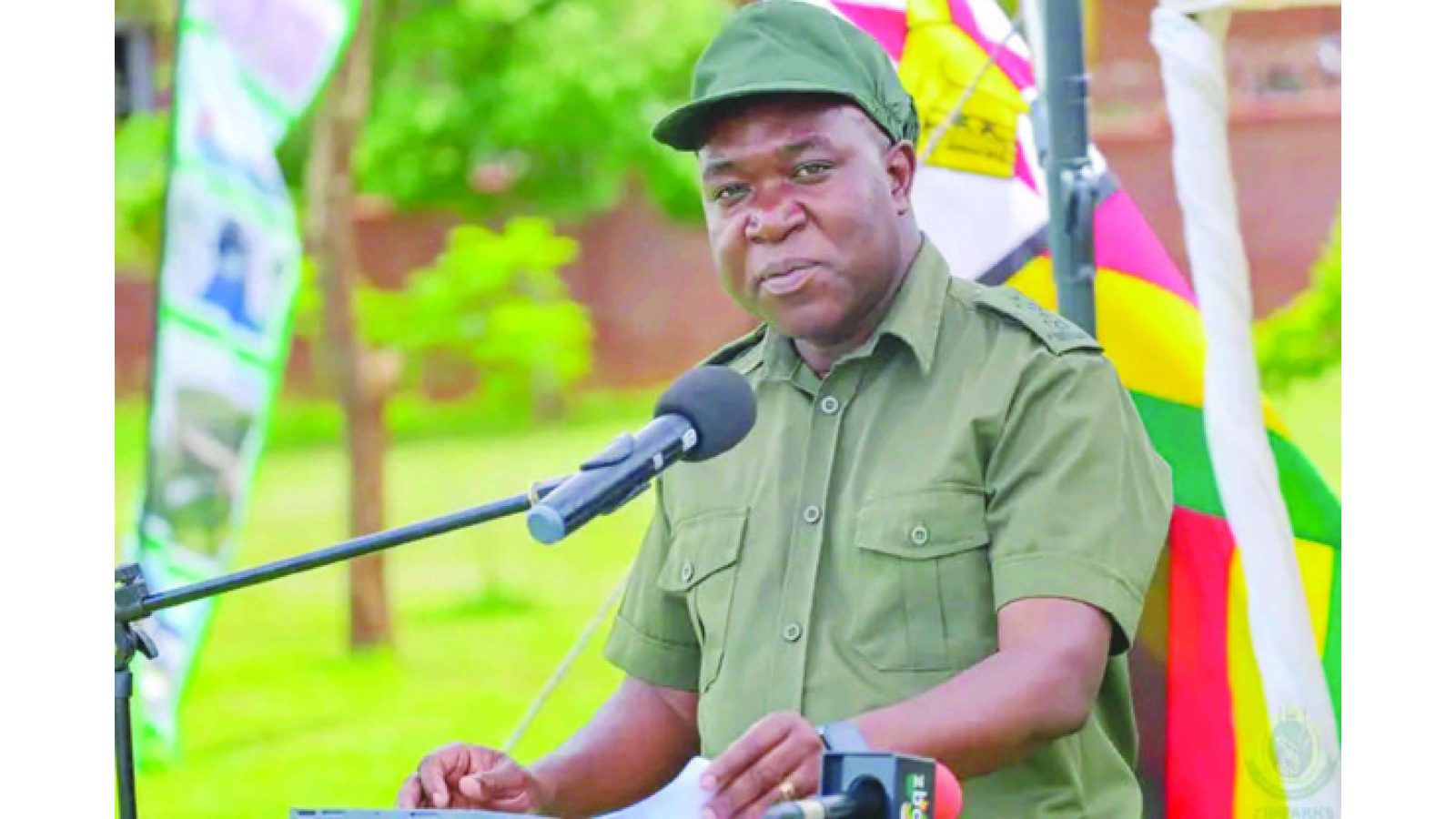
Ivan Zhakata recently in KARIBA
THE people of Nyaminyami have long lived at the frontline of human-wildlife conflict.
Elephants trampling crops, lions preying on livestock and families losing hard-won harvests have been part of daily life. But this week, hope came roaring into the community on two wheels.
Zimbabwe Parks and Wildlife Management Authority (ZimParks), in partnership with African Parks and the Matusadona Conservation Trust (MCT), handed over 11 motorcycles to human-wildlife conflict monitors.
Alongside the bikes, a borehole and flourishing community nutritional gardens were commissioned in Kasvisva Village under Chief Nebiri, benefiting 30 households.
For villagers, the developments meant more than just projects — they mean survival, dignity and a chance at prosperity.
“This is a new dawn for us. These projects will go a long way in uplifting our community. We now have water, a functional garden and support in dealing with human-wildlife conflicts.
“This shows us that development can happen even in rural areas like ours,” said headman Lucas Mangava, his voice carrying over the cheering crowd.
For 56-year-old mother of five Mai Muchaneta, the garden has already changed her daily struggles.
“We used to go hungry when elephants destroyed our fields,” she said.
“Now, with this borehole and garden, I can grow vegetables, sell some to the park and still have food for my children. For the first time in years, I feel secure.” Mai Muchaneta smiled as she watered her small patch of green.
The motorcycles are equally transformative for local monitors like Tawanda Mudzonga, who patrols the boundary between people and wildlife.
“Before, we arrived too late when lions or elephants attacked because we had no transport,” he said. “Now, we can get there quickly to save both people and animals. It makes us proud to serve the community.”
ZimParks director-general, Professor Edson Gandiwa, told the community that the projects were part of a broader commitment to ensure conservation brings benefits to local people.
“We are here to preserve our wildlife, but we cannot do that without the help of our communities,” he said.
“With the six gardens we have commissioned today, produce will be sold to the National Park, while the motorcycles will allow rapid response to human-wildlife conflict cases. Together, we are working to achieve Vision 2030.”
District Development coordinator, Mr Desmond Gumbochuma, hailed the initiative as a practical example of President Mnangagwa’s rural industrialisation agenda.
“The nutrition garden will uplift this community,” he said. “This is in line with the President’s vision to eradicate poverty by 2030. We must protect these projects and continue building on them.”
Acting CEO of Nyaminyami Rural District Council, Mr Peter Chinodakufa, said the partnership was already showing tangible results.
“These projects complement council programmes and directly improve livelihoods. This is exactly the collaboration we need for sustainable development,” he said.
Chief Nebiri, born William Nebiri, summed up the mood of the day. “As a leader, I am grateful for these developments in my village,” he said.