Online Reporter
Ivan Zhakata
Zimbabwe Parks and Wildlife Management Authority has entered into a landmark public-private partnership with Zambezi Conservation Company to protect and develop the Hurungwe Rifa and Makuti 2 concessions in the Zambezi Valley.
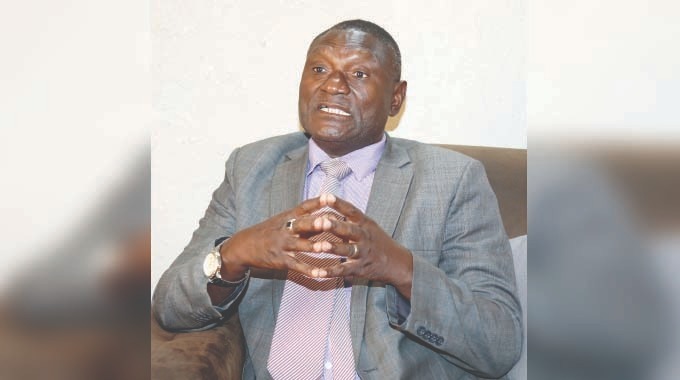
ZimParks director-general Professor Edson Gandiwa said the partnership represented a decisive shift from traditional hunting leases to a model that balances wildlife conservation, sustainable hunting and photographic tourism.
“We are here today to celebrate a new chapter in conservation in the Zambezi Valley, one that strengthens and formalises a partnership between the parks and wildlife management authority and the Zambezi Conservation Company,” he said.
“This partnership is built on a clear vision to create a conservation area, where sustainable hunting and photographic tourism work together to protect and restore wildlife and habitats.”
As part of its commitment, the Middle Zambezi Conservation Company handed over five new vehicles – two Toyota GD6 4x4s and three Isuzu Xrider 4x4s – to ZimParks to boost operations.
It also pledged to revive the Anti-Poaching Task Force and invest more than US$22 million over the lease period in wildlife protection, research, security, fire management and infrastructure development.
Prof Gandiwa said world-class tourism facilities would soon be established in Rifa through partnerships with some of Africa’s leading operators.
“The success of any conservation initiative depends on the people behind it. With a dedicated team, a clear vision and a shared commitment to sustainable development, we have no doubt that the future of conservation is brighter than ever,” he said.
Dr Alistair Pole, Director of the Middle Zambezi Conservation Project, said the initiative was significant and conservation must be embedded within Africa’s development agenda.
“Africa is on the move. The continent is rising with new roads, new cities, new technologies and above all, a new generation of young people ready to shape the future. But can Africa develop without destroying the very natural wealth that sustains it?” Dr Pole said.
“Zimbabwe’s greatest assets are not just its minerals. It is the land, the rivers, the forests, the wildlife. These are not luxuries.
“They are the foundation on which our development must stand.”
He said wildlife must generate tangible benefits for communities and be integrated into national economic planning.
“Wildlife must pay its way. Communities need to see benefits from living with elephants and lions. Governments must see conservation as contributing to national balance sheets, not as a line item of dependency,” Dr Pole said.
He said private finance into natural capital had surged from US$9 billion in 2020 to US$104 billion in 2024, but much of it had not yet flowed into Africa.
The Middle Zambezi Conservation Project, developed through partnerships with Natural Capital, the Zambezi Wilderness Trust and the Zambezi Conservation Company, aims to bridge the gap by making conservation investable.