Chronicle Editor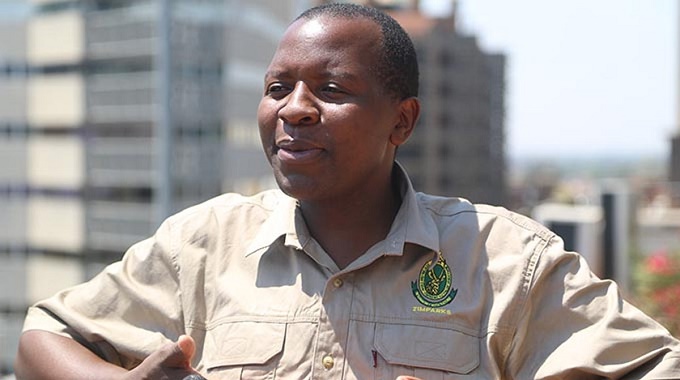
Yoliswa Dube-Moyo, Matabeleland South Bureau Chief
THE Zimbabwe Parks and Wildlife Management Authority (Zimparks) has warned members of the public against eating untested game meat amid fears of disease outbreak.
There are recorded cases of diseases in national parks where poachers have established hunting grounds for wildlife.
A significant number of poachers sell the meat or eat it, posing a risk to whoever eats the infected meat.
Diseases such as anthrax are spread when people poach and eat untested meat.
Zimparks public relations manager Mr Tinashe Farawo said while his organisation was making all efforts to counter poaching and scale up conservation efforts, the vice is a public health threat.
“We’re doing everything in our power to address the poaching problem. We’ve gone down from as high as 400 in 2014/15 to as low as 20,” said Mr Farawo.
He said efforts were being made to educate communities on the importance of testing game meat before consumption.
“We’ve have problems with communities in terms of poaching for food but we continue to educate our communities not to consume untested meat because most of these animals have anthrax, foot and mouth and many other diseases. If the meat is not tested, they risk getting those diseases,” said Mr Farawo.
Meanwhile, a €250 000 fund is set to be released to support communities living within the Greater Mapungubwe Transfrontier Conservation Area (GMTCA) to cushion their livelihoods as efforts to manage human-wildlife conflict.
Gwanda Rural District Council environmental officer Mr Sijabuliso Masango said the fund focuses on communities which live around parks as they are encouraged to conserve wildlife.
“It’ll focus on Wards 16, 19, 20 and 24 which surround the park. It’s going to cover both Gwanda and Beitbridge. The major beneficiaries are the local community because on a broader scale, the aim is to address the impact of climate change in and around parks, zeroing in on human-wildlife conflict,” said Mr Masango.
He said a lot of elephants destroy crops which makes cultivation of crops in some areas futile.
“We’ve got a lot of elephants which destroy crops. People are trying to farm every year and elephants come and destroy the crops. So, we want to come up with packages to ensure that there’s minimum loss of crops, minimum loss of human life and minimum loss of infrastructure.
“We also have problems with hyenas, lions and sometimes hippos at parks. We’re trying to address the issue of human-wildlife conflict and come up with a cushion or shock absorbers for such occurrences,” said Mr Masango.
He said efforts were being made to change perceptions about wildlife.
“We want to change the way wildlife is perceived in those areas where people are of the view that the solution is to kill the animals. Relations between humans and wildlife are strained because for a long time the animals have been destroying crops or killing their livestock. We people to view wildlife as one of their resources meant to uplift their livelihoods,” said Mr Masango. – @Yolisswa.



 Online Reporter