

 Online Reporter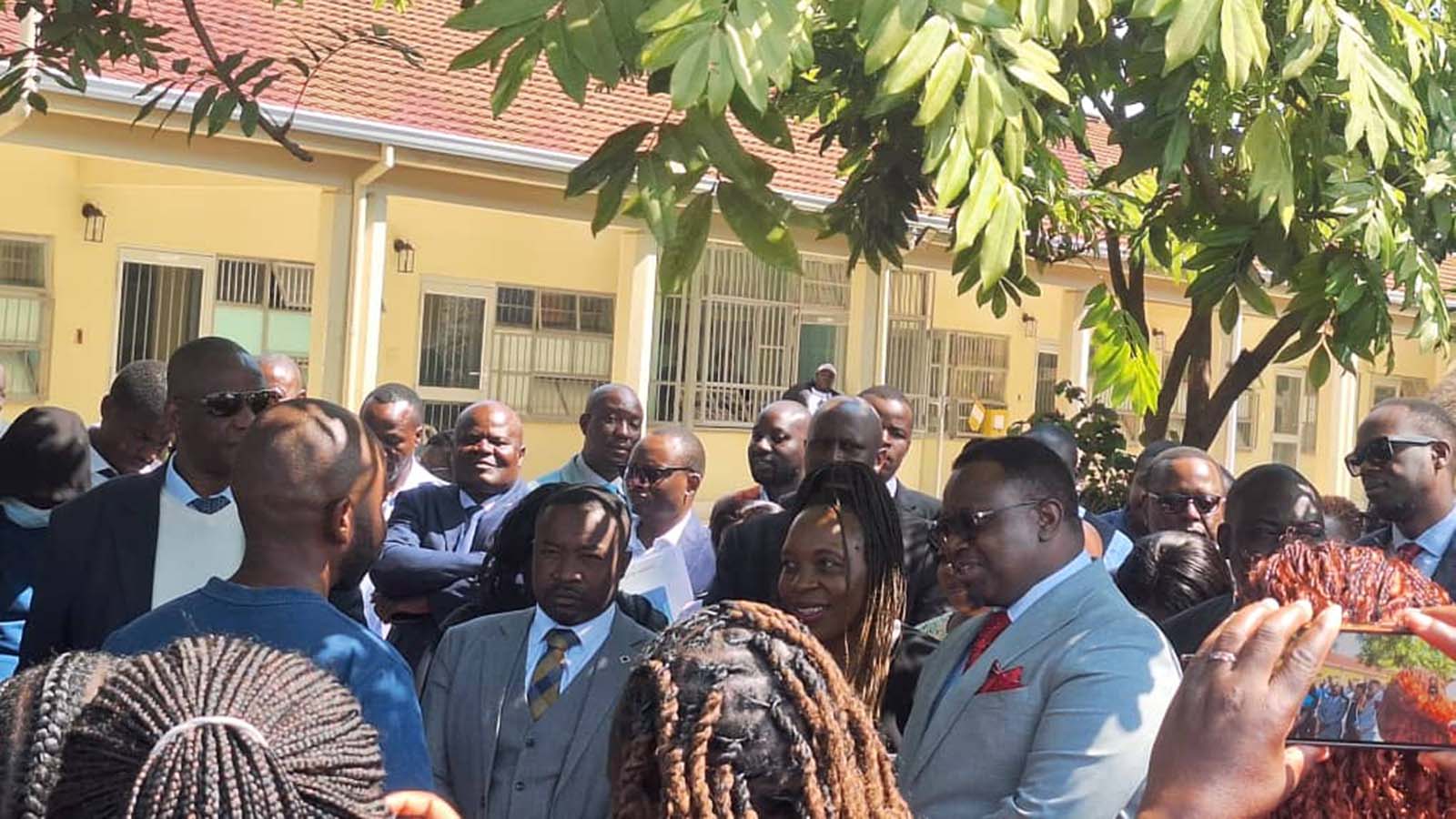
Muchaneta Chimuka
Herald Reporter
GOVERNMENT has intensified its efforts in fighting drug and substance abuse in communities and curbing drug trafficking at all ports of entry.
This came out at the inter-ministerial committee meeting and familiarisation tour by several Government ministries held in Harare.
The team included ministers and representatives from the Ministries of Defence, Information and Publicity, Local Government and Public Works, Health and Child Care, Primary and Secondary Education, among others.
They toured Wilkins Infectious Hospital and interfaced with survivors of drug and substance abuse who most who vowed to quit.
Speaking on behalf of the Minister of Defence and Chairman of the National Committee on Drug and Substance Abuse, Hon. Oppah Muchinguri – Kashiri, Home Affairs and Cultural Heritage Minister Kazembe Kazembe commended the nationwide provincial interface meetings on drug and substance abuse.
“These engagements reflect Government’s unwavering commitment to strengthening our collective response to one of the most pressing social, public health and national development challenges confronting our country today,” he said.
“This is a clear demonstration that the fight against drug and substance abuse is not the responsibility of one institution alone, but a shared national obligation requiring the active participation of every sector of society.”
He said drug and substance abuse continues to rob the nation of one of its most valuable assets, which is its people and human resources.
“Drugs and substances destroy families, disrupts education, fuels crime, increases the burden of disease, puts pressure on the fiscus, undermines economic productivity and deprives our young people of the opportunity to realise their full potential,” he said.
“Left unchecked, it threatens not only individual lives but also the social fabric upon which our nation is built.”
He saluted President Mnangagwa for instituting a whole-of-Government and whole-of-society approach in addressing drug and substance abuse.
“We remain guided by His Excellency’s enduring mantra of “Nyika inovakwa nevene vayo”,” he said.
“This profound statement reminds us that the responsibility of building a healthy, safe and prosperous Zimbabwe rests with all of us. Government alone cannot curb drug and substance abuse.
“Every citizen has a role to play in protecting our communities from this destructive scourge. Equally important is His Excellency’s unwavering commitment to ensuring that we “Leave no one and no place behind”. This principle must remain at the centre of our national response.”
Hon Kazembe said every young person trapped in addiction deserves an opportunity to recover.
“Every family affected deserves support. Every community deserves access to information, prevention, treatment, rehabilitation and community reintegration services,” he said.
“Every province, every district and every ward must become an active participant in this national mission.”
He said Harare has a large number of vulnerable populations and hence the demand for prevention, treatment, rehabilitation, awareness, information and psychosocial support services is considerably greater than in other provinces.
“As Government, we cannot afford to wait for individuals struggling with drug and substance abuse to find their way to our offices or rehabilitation centres before assistance is rendered. We must deliberately take services to the people thus being proactive,” he said.
He said the interventions must extend beyond institutional walls into the very communities where people live, work and socialise.
“We have identified hotspots. Prevention services, early identification, counselling, psychosocial support and referral mechanisms must become visible within communities long before addiction takes root,” he said.
Information and Publicity Minister Dr Zhemu Soda said the media plays a pivotal role in shaping society insofar as the fight against drug and substance abuse is concerned.
“The media informs and educate the public on the effects of drug and substance abuse at the individual level and the economy at large,” he said.
“It informs stakeholders on the gaps creating room for correction and by this we save our nation from drug and substance abuse.”
The interface has been viewed as more than simply inspecting facilities, but as a game changer.



 Bongani Ndlovu