Online Reporter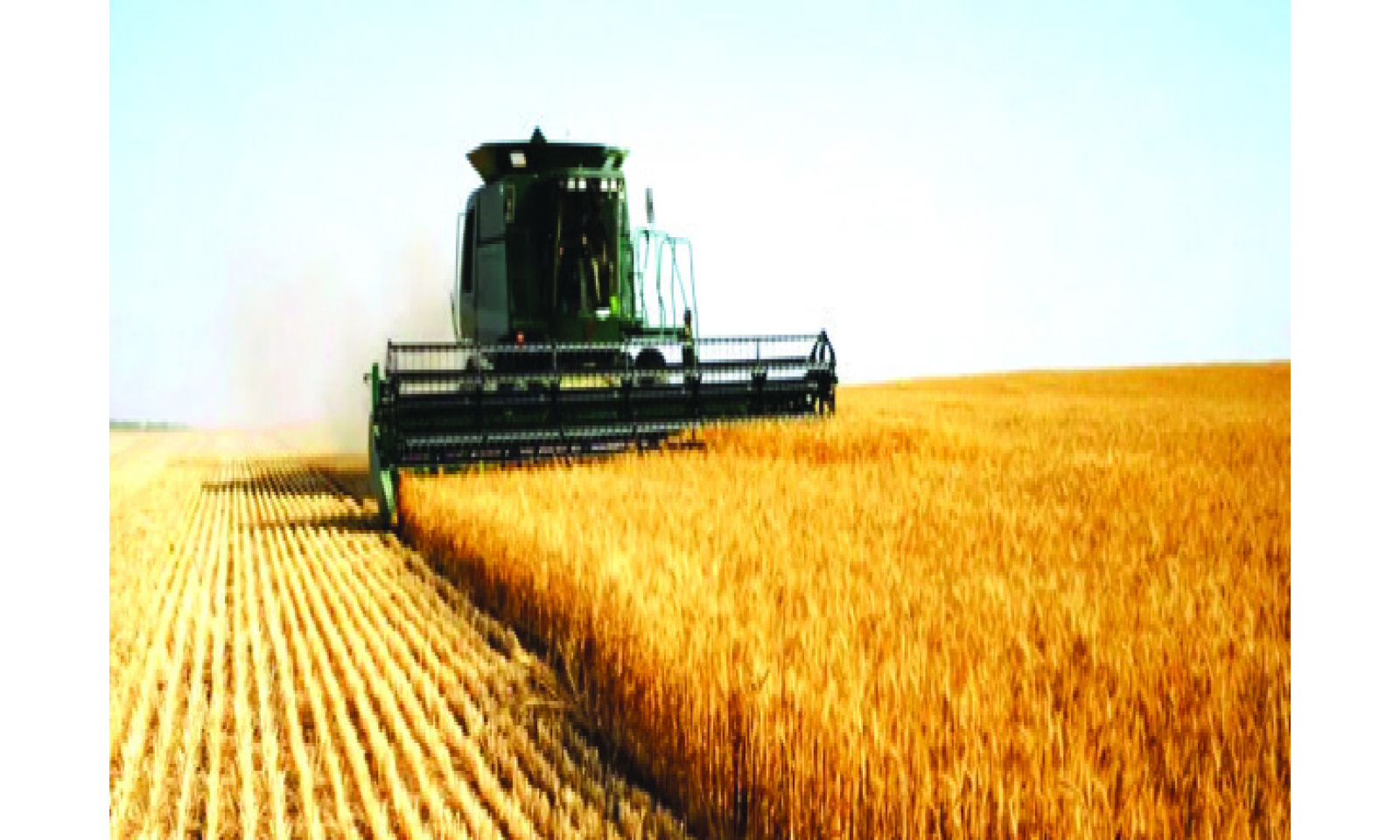
Precious Manomano
Herald Reporter
Last week, Zimbabwe celebrated 45 years of self-rule. Unencumbered by the yoke of colonial bondage, the country has flourished, particularly in the agriculture sector, once dominated by a few white farmers.
Since gaining Independence in 1980, Zimbabwe has made remarkable strides in agriculture, transforming its landscape and empowering local farmers.
This evolution underscores the profound impact of independence, allowing black farmers, especially smallholders, to boost production and productivity — an extraordinary shift from the limited opportunities of the colonial era.
Before independence, black farmers faced significant marginalisation, lacking access to land, resources and essential training.
The colonial system entrenched deep inequalities that stifled agricultural potential, leaving vast tracts of arable land underutilised.
However, the post-Independence era has ushered in a new dawn for agriculture.
President Mnangagwa has emphatically declared, “The Land Reform Programme is irreversible,” highlighting the Government’s commitment to empowering local farmers and rectifying historical injustices. This commitment has enabled farmers to reclaim their land and invest in sustainable practices.
The Government’s initiatives have led to remarkable agricultural achievements, with Zimbabwe surpassing its initial agricultural target of US$8 billion, now set at US$13,75 billion by 2025.
This ambitious goal reflects the sector’s growth and potential, fuelled by the resilience and determination of local farmers.
Under the Second Republic, Zimbabwe has recorded successive achievements in wheat production, positioning itself among Africa’s top eight producers.
Additionally, the nation has emerged as the largest tobacco producer on the continent and ranks sixth globally, trailing only agricultural powerhouses like China and India.
Mr Victor Mariranyika, president of the Tobacco Farmers Union Trust, remarked, “Our farmers have now acquired the knowledge and skills required to use the land productively and restore Zimbabwe to its former glory in the SADC region.”
This sentiment resonates deeply with many farmers who feel empowered and supported in their endeavours.
The agricultural sector’s resilience is particularly evident in its ability to maintain food security over the past four seasons, alongside Ethiopia, another significant wheat producer.
Last season, Zimbabwe produced 468 000 tonnes of wheat — a substantial achievement for a nation of approximately 16 million people.
This level of self-sufficiency marks a remarkable turnaround from previous struggles.
Moreover, Zimbabwe has made impressive strides in diversifying its agricultural exports.
In the past year, blueberry exports surged by 85 percent, surpassing 5 000 tonnes and placing the country among the top 15 global exporters. This diversification not only stimulates economic growth but also showcases the potential for Zimbabwean farmers to compete on the international stage.
The Agriculture Recovery and Growth Plan, initiated in 2020, has been pivotal in reversing negative trends and boosting production.
Professor Obert Jiri, Permanent Secretary for Lands, Agriculture, Fisheries, Water, and Rural Development, stated, “We started to operationalise the Agriculture Recovery Growth Plan and managed to score 2,7 million tonnes of maize during the 2020-2021 cropping season.”
Such achievements are vital for ensuring food security and economic stability.
Support for local farmers remains a top priority for the Government, which has implemented initiatives to ensure that every ward has extension officers dedicated to providing training and resources.
This proactive approach empowers farmers to thrive, significantly contributing to the national granary and overall economy.
Dr Shadreck Makombe, president of the Zimbabwe Commercial Farmers Union, expressed optimism about the future.
“Zimbabwe’s future is undeniably bright, and last season’s production is evidence of this. Despite challenges such as drought, farmers are diligently working to ensure bumper harvests across various crops.”
The Government is also engaging in public-private partnerships to enhance agricultural productivity and sustainability.
These collaborations aim to leverage resources and expertise from both sectors, ensuring that projections for maize harvests and other crops are realised.
This strategic approach fosters innovation and builds resilience within the agricultural sector. The impact of Independence is also reflected in changing perceptions of farming as a respected profession.
Farmers once marginalised are now recognised as vital contributors to the economy.
The Government’s commitment to supporting resettled farmers has facilitated the growth of various horticultural projects, allowing them to export products to international markets — opportunities that were virtually non-existent during the colonial era.
Recently, President Mnangagwa launched a programme focused on land title deeds aimed at securing property rights for all homeowners, particularly black individuals.
This initiative empowers marginalised communities by providing legal recognition and protection of land ownership.
Zimbabwe’s agricultural sector is on a promising path, driven by the empowerment that independence has afforded its farmers.
With robust government support, a focus on productivity, and a commitment to becoming a net exporter of various agricultural products, the progress made since independence is paving the way for the realisation of Vision 2030.
This vision aims for Zimbabwe to become an upper-middle-class society, where agricultural prosperity plays a crucial role in the nation’s overall development.
The journey from marginalisation to empowerment is a testament to the resilience of Zimbabwean farmers and the transformative power of independence.