Richard Muponde-Zimpapers Politics Hub
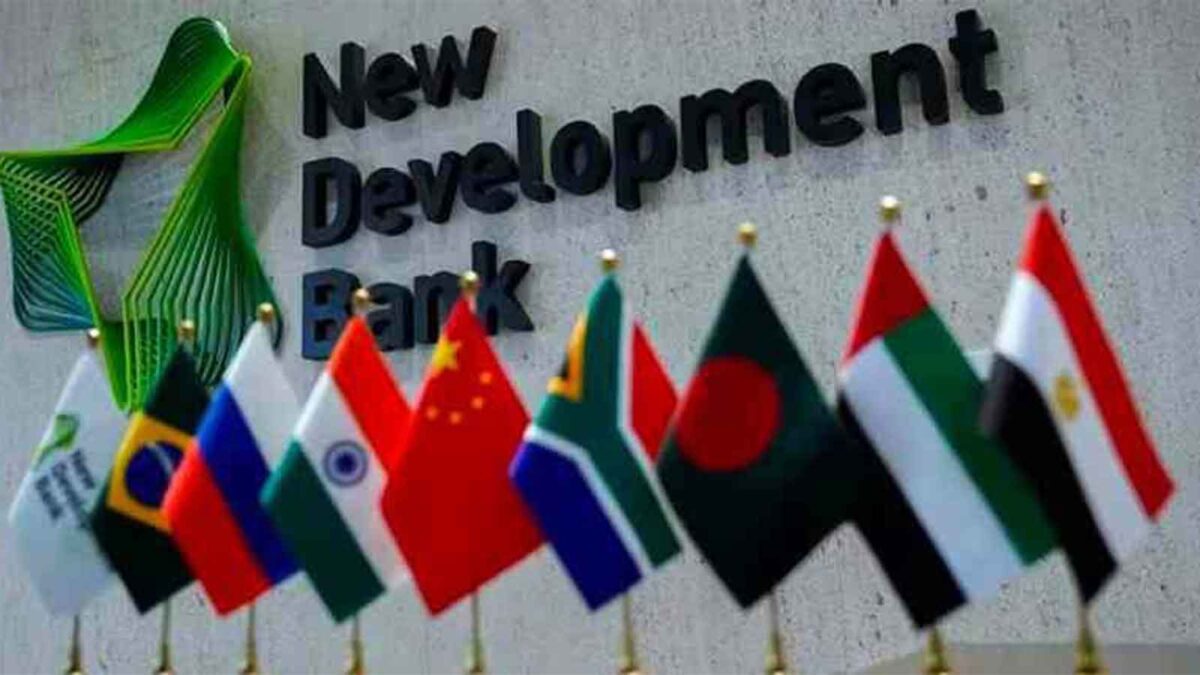
ZIMBABWE’S admission to the New Development Bank (NDB), established by BRICS, marks an acceleration to an already fast developing economy and a new stage for African development and fiscal sovereignty.
This is membership of the BRICS Bank, not full BRICS membership and the NDB’s published register still lists Zimbabwe as prospective pending deposit of its instrument of accession.
Nevertheless, it offers another potential source of long-term capital when infrastructure, industrialisation and climate resilience demand patient financing.
Finance Minister Professor Mthuli Ncube says Zimbabwe completed accession protocols, including Parliamentary approval, and opted for a 200 percent subscription worth US$63 million: US$12,6 million paid-in capital and US$50,4 million callable capital. It opens access to loans, guarantees, equity and potentially local-currency lending, but not guaranteed disbursements. Projects must be viable and borrowing sustainable.
From stabilisation to transformation
The opportunity builds on the economic trajectory pursued since the advent of the Second Republic under President Mnangagwa.
The Transitional Stabilisation Programme (2018–2020) sought to correct fiscal and monetary imbalances, restore production and establish reforms. National Development Strategy 1 (2021–2025) carried that work into recovery, investment, infrastructure renewal and social development. NDS2 (2026–2030), launched in November 2025, directs the next phase towards an empowered, prosperous upper-middle-income society under Vision 2030.
This sequence reflects an emphasis on domestic resource mobilisation, public-private partnerships and investment promotion.
The Second Republic’s “Nyika inovakwa nevene vayo” philosophy has accompanied projects financed through local revenue, bilateral partnerships and private capital.
The NDB can widen this financing mix, not replace existing partners.
Currency reforms have included the introduction of Zimbabwe Gold (ZiG) in April 2024, tighter monetary management and foreign-exchange market measures.
The Reserve Bank reported annual ZiG inflation of 3,7 percent in September 2026, while the IMF projected single-digit inflation for the year. This is a major improvement, but requires fiscal discipline, predictable rules and confidence in purchasing power. NDS2 targets annual inflation of five percent by 2030 and budget deficits below three percent of GDP.
The development record provides a platform
The economic story is visible in physical investment. Hwange Units 7 and 8 added 600 megawatts to generation capacity, while the expansion of Robert Gabriel Mugabe International Airport strengthened the aviation gateway.
Beitbridge Border Post modernisation and rehabilitation of the Harare–Masvingo–Beitbridge highway are intended to ease movement along a critical regional corridor. Dams, bridges, roads and urban water projects extend this programme.
Agriculture has benefited from irrigation, mechanisation, Pfumvudza/Intwasa and wheat production, strengthening food supply and reducing import exposure. Mining policy increasingly stresses beneficiation rather than exporting raw minerals. Lithium processing, platinum-group metals, gold and other value chains offer opportunities for manufacturing, skills and export earnings. Industrial parks, innovation hubs, pharmaceutical manufacturing and support for small businesses seek to broaden production.
Health, education, housing, digital connectivity and social services are also essential to Vision 2030. Hospitals, clinics, school and university infrastructure, vocational training and devolution projects help build human capital beyond major cities.
However, power and water shortages, unemployment, poverty and uneven finance access persist. Delivery must mean reliable services, jobs and better incomes.
Why BRICS Bank matters
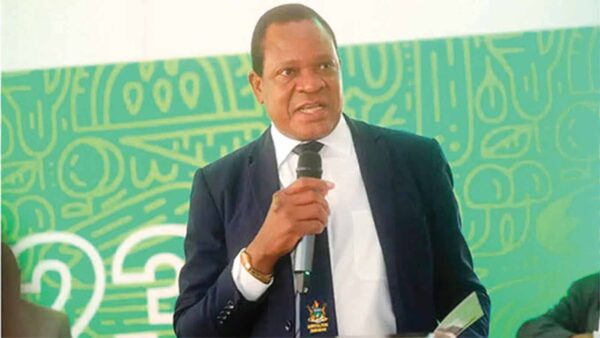
The NDB could finance long-lived assets that commercial lenders often price beyond developing economies’ reach. Prof Ncube announced: “Yesterday we were admitted…we are now a member of the BRICS Bank. So, you can now access capital from the BRICS Bank. We will make a formal announcement properly later,” adding: “So, these credit facilities are going to grow, and they are also a source of financing for industry.” Energy, transport, irrigation, water and industrial projects require patient investment.
Zimbabwe’s trade geography makes the opportunity relevant. China, South Africa and the United Arab Emirates account for nearly 90 percent of export earnings, according to the budget account. Engagement can deepen markets and connect producers to value chains through AfCFTA, SADC and COMESA.
Economist Professor Gift Mugano argued to this publication that NDB finance could help break the arrears deadlock restricting conventional concessional lending.
He asked: “How do you expect a country to clear about US$10 billion before they can get fresh capital?”
He added: “If you are given fresh capital, it will raise production, finance infrastructure, increase export capacity, substitute imports and expand fiscal space to generate revenue to clear those debts.”
Productive investment can expand revenues, but projects must earn enough to repay loans.
A wider African horizon
The NDB should complement, not displace, the African Development Bank and other institutions. Diversified finance broadens choices, South-South cooperation and technology transfer. Fiscal sovereignty does not mean isolation; it means credible choices and the capacity to set priorities while meeting obligations.
At the industrialisation conference, Foreign Affairs Minister Professor Amon Murwira linked trade diplomacy to domestic confidence: “When we invest in ourselves, we create confidence that attracts big capital.” His call for Zimbabwe to open its markets recognises that sovereignty must be matched by competitiveness and reciprocal access. Integration requires competitive producers and reciprocal market access.
The social test of sovereignty
The small-business economy makes inclusion essential. Minister Monica Mutsvangwa said micro, small and medium enterprises contribute about 60 percent of GDP and account for about 70 percent of gold production, with women owning 56 percent of these enterprises. She warned: “If we leave them behind, Vision 2030 will not be achieved as we want it with an upper-middle-income society.”
Finance must reach women, youth, farmers, cooperatives and small manufacturers, not only large contractors.
TV BRICS Africa president Ayanda Holo calls the development “a defining moment for Southern Africa and the African continent’s pursuit of economic autonomy, infrastructure-led development, and a more stable global financial system.”
Access alone is insufficient; governance, prudent debt management and execution determine outcomes.
The decisive work starts now. Zimbabwe must publish priorities, test projects, disclose loan terms, prevent corruption and report outcomes.
The NDB opening can accelerate an economy pursuing structural change, but disciplined execution must turn fiscal space into factories, reliable electricity, modern transport, decent jobs and improved livelihoods.
That is the promise of a new stage for African development and sovereignty.