admin
adminJeffrey Gogo Climate Story
ZIMBABWE stands as much good a chance as anyone else accessing climate finance from multi-lateral global lenders, said Veronica Gundu, deputy director for climate change in the Environment, Water and Climate Ministry. As actions to combat dangerous climate change pick up speed, concerns have lingered over the country’s ability to mobilise funds for its $10 billion-worth adaptation and mitigation plan.
For example, by June 2013, Zimbabwe had received just $6,7 million or 0,7 percent of the $964 million climate funding accessed by nine other economies in Southern Africa, due in part to the absence of a clear-cut implementation strategy.
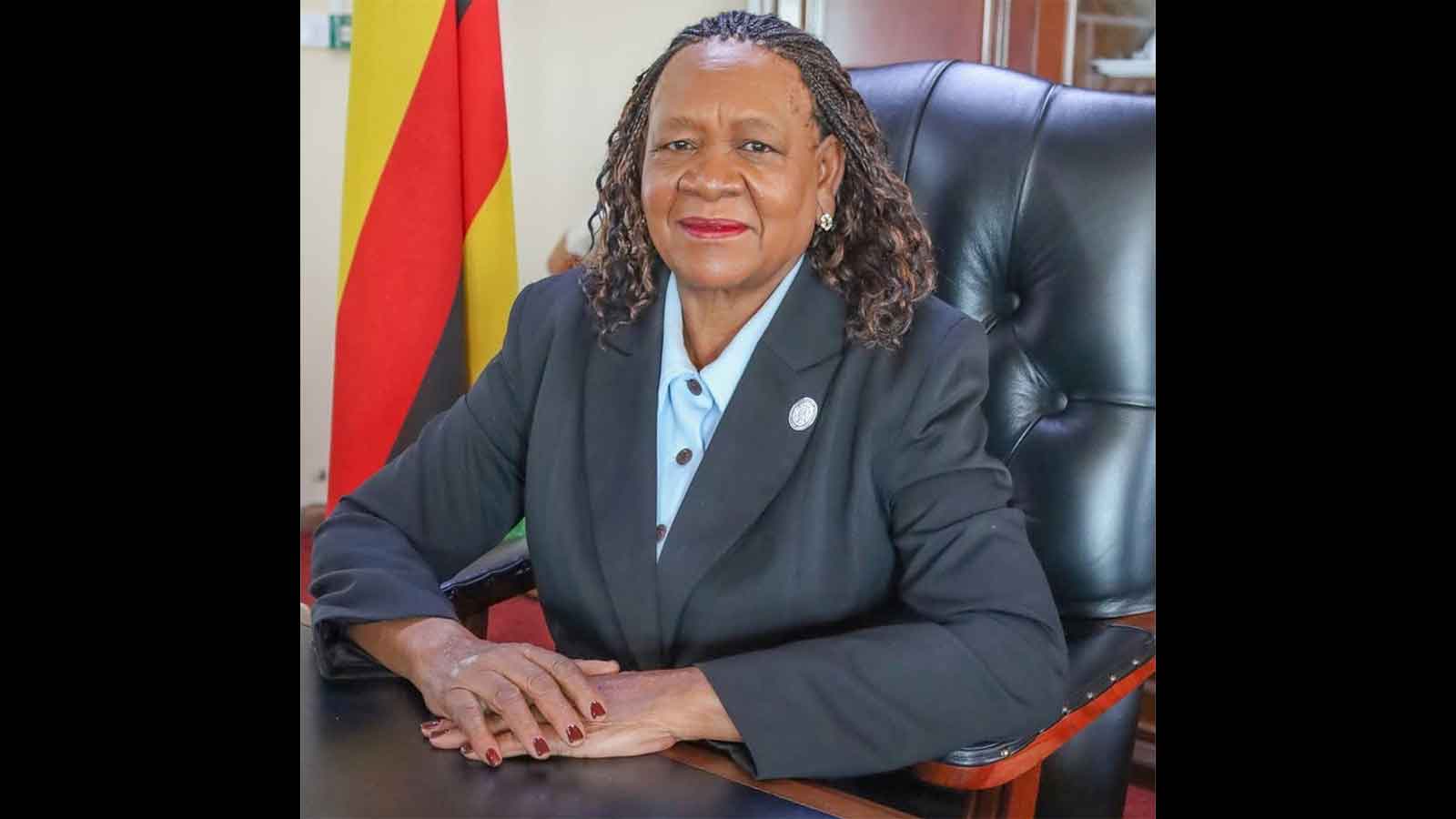
“Already, we are part of the UN Framework Convention on Climate Change, that means we have a good opportunity to gain funding under the different international funding mechanisms for climate change,” Ms Gundu (pictured) said on Thursday, by telephone.
“We have an equal chance just like any other member. Unlike under the CDM (Clean Development Mechanism) where we have missed out, now there is greater commitment (in Government) to make things work.”
In other borrowings, Zimbabwe has an unsatisfactory track record with nearly $10 billion of global debt unpaid. However, climate funds are independent of defaults committed elsewhere.
Fears remain the political stand-off with the West, the biggest world financiers, may influence climate lending towards Zimbabwe negatively, much in the same way as seen in the HIV/AIDS sector.
This means the country will have to do more to improve its chances of attracting investment in the climate sector, funds coming from numerous sources including the World Bank, Global Environment Facility, the UN’s Adaptation Fund, the Green Climate Fund (GCF), the African Development Bank (AfDB), and others.
Ms Gundu said her department had started developing an appropriate institutional framework that enables Zimbabwe to benefit from the different funding options available for climate change worldwide.
To gain funding under the GCF, a UN financial mechanism for bankrolling climate projects in developing countries, the ministry of environment has been accredited the National Designated Authority (NDA), she said.
Playing a regulatory role, it is the NDA’s responsibility to submit all private and public funding proposals to the GCF. To do that, the country must also have accredited implementing entities that meet up with the Fund’s fiduciary standards.
Accreditation is crucial to ensuring transparency, accountability, monitoring, reporting and evaluation for any money disbursed.
“We are looking to accredit a Government parastatal for capacity building. For the Adaptation Fund, we have already accredited the Environmental Management Agency (EMA) as an implementing entity,” she explained.
“Soon, the ministry will put up a call for Government departments willing to become implementing entities, with capacity to handle between $10 million and $20 million projects worth.
“Another call for financial institutions as implementing entities handling up to $100 million will also be made.”
As at July-end, there was a guaranteed $5,5 billion of the $10,2 billion pledged under the Green Climate Fund last November waiting to be disbursed. However, the Fund’s board has yet to finalise the programme for approving proposals.
Missed Opportunity
With just one project – the Sable Chemicals Nitrous Oxide Abatement Project – registered under the Clean Development Mechanism, Zimbabwe has missed a chance to tap into the $350 million of emission-reducing investments poured into the system since 2006.
The CDM was established under the Kyoto Protocol, compensating developing countries for implementing sustainable projects that curb greenhouse gases emissions.
Such projects earn what are known as certified emission reductions (CERs), equal to a tonne of carbon dioxide, that are sold to rich countries keen to satisfy their mitigation commitments under Kyoto.
To date over 7 600 projects have been registered under the CDM, mostly from outside Africa, removing more than 2, billion of CO2 emissions.
However, without a proper plan Zimbabwe’s CDM ambitions have foundered, spectacularly for that matter, given that the country’s climate change director, Mr Washington Zhakata, sits on the CDM board. And authorities know that all too well.
“Zimbabwe is privileged to be represented in the CDM executive board and need to take advantage of this situation to push as many projects through to registration stage,” said the Environment Ministry in a statement in June.
CDM mitigation opportunities exist in energy, manufacturing, mining, agriculture, waste management and transport, and Zimbabwe hasn’t exploited that, says the National Climate Change Response Strategy.
Further funding in the forestry sector can be mobilised under the Reduced Emissions from Deforestation and forest Degradation (REDD) mechanism, where Zimbabwe has potential to put 14 million hectares of forests under protection, says the NCCRS.
Already, the country is hoping to secure $100 million in climate finance after it responded to the AfDB’s first call for grants proposal under the Africa Climate Change Fund, Mr Zhakata, told a local TV station last week.
God is faithful.


 Online Reporter