


 Online Reporter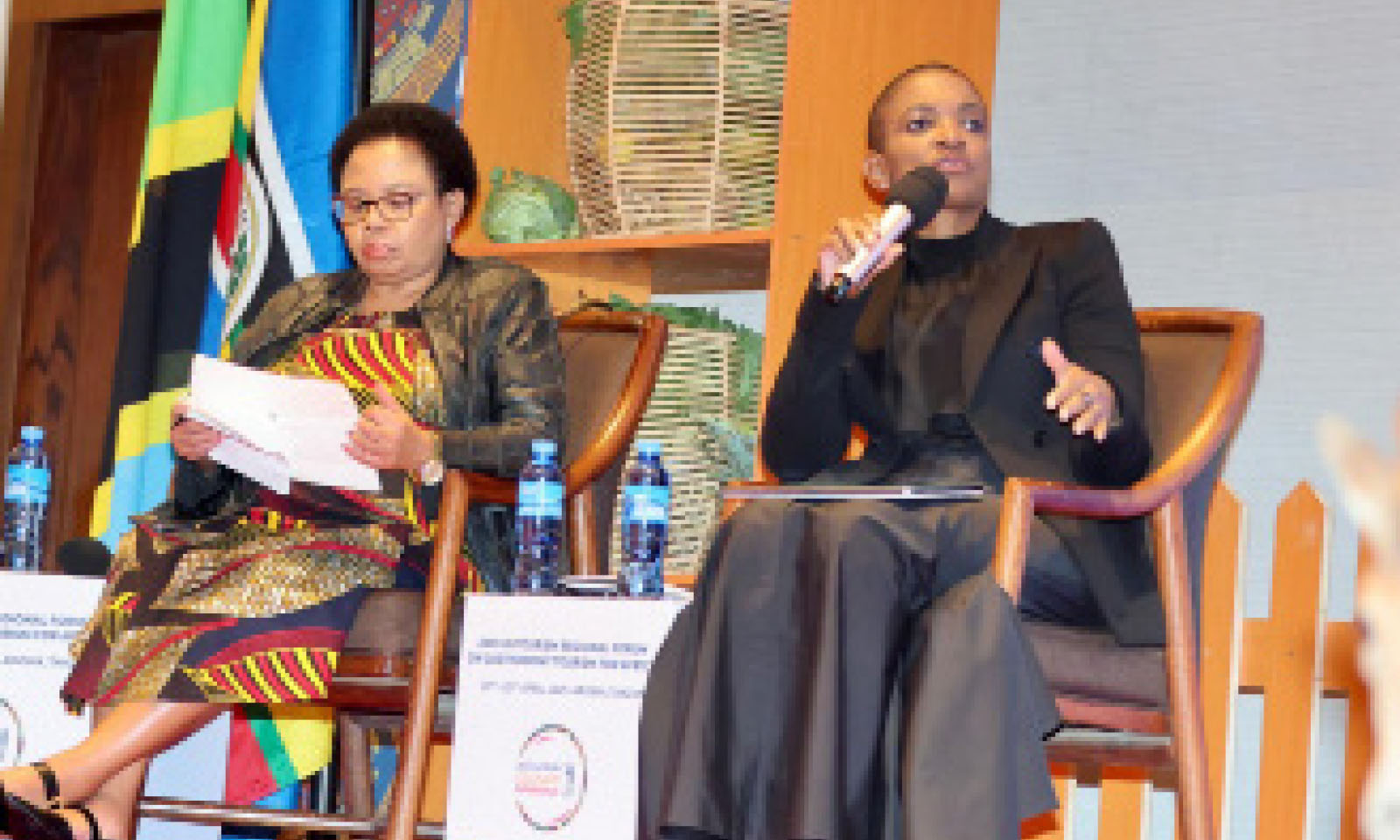
Tendai Rupapa
Senior Reporter
TOURISM and Hospitality Industry Minister Barbara Rwodzi participated in a high-level panel discussion on developing frameworks for gastronomy tourism at the Second UN Tourism Regional Forum on Gastronomy Tourism for Africa.
The forum aims to unlock the potential of culinary tourism to benefit destinations and empower local communities across the continent.
The panel, moderated by UN Tourism Director for Africa Elcia Grandcourt, brought together leading experts in tourism, agriculture and policy to explore ways of improving market intelligence, crafting effective policy frameworks and enhancing the competitiveness of African destinations through gastronomy.
Speaking during the session, Minister Rwodzi said Zimbabwe is already making strides in promoting gastronomic tourism and reaffirmed her ministry’s commitment to advancing the sector. She pointed out how the initiative was conceived and nurtured by First Lady Dr Auxillia Mnangagwa before she handed it over to her ministry in 2022. “After she started the programme in 2019, we had a deliberate move of having a policy around this. Gastronomy starts from agriculture. The importance of gastronomic tourism in our country or in Africa, actually in the world, is about socio-economic development. What it does to the ordinary person or the way to cut across demographics, to cut across different persons of the society, to the table and to the gastro itself,” she said.
Minister Rwodzi added that the initiative has significantly improved livelihoods by engaging various demographics.“It’s amazing how it has improved livelihoods in our country with what this lady has started. She started with the chief’s wives going into the rural areas, all the way to the production of these raw materials and into the kitchen of different institutions, hotels, restaurants and even in the homes. And with the focus of both promoting tourism and improving livelihoods through the health aspect that comes with gastronomy,” she noted.
The Government, she said, has adopted a whole-of-government approach, collaborating with multiple ministries.
“But as Government, we have also now deliberately come up with a whole-of-government approach with the ministries — the Ministry of Agriculture; Ministry of Women Affairs, Community, Small and Medium Enterprises Development; the Ministry of Higher and Tertiary Education, as well as the Ministry of Tourism.
“We come together to plan this that ends up being gastronomy tourism, grouping these communities, women, men and youth. Our First Lady has now gone into primary schools and secondary schools to institutionalise gastronomy tourism and to bring back our culture. So, as the earlier speakers have said, gastronomy speaks a lot about our culture,” she said.
Minister Rwodzi praised Tanzania for hosting the forum and said this would boost its tourist arrivals.
“This event, what it’s going to do to all the arrivals in your country, is going to be amazing. After UN Tourism came to host this first-ever regional gastronomy tourism for Africa in our country in July until today, the numbers of international arrivals have increased.
“And, as we are speaking, it’s growing and growing. This is what it means,” she said.
Minister Rwodzi said it was essential to build on the success realised so far since people visited countries for different reasons.
“People visit countries for many reasons. And in our ministry elsewhere, we also deliberately clustered tourism. We have wildlife. We have people who come just for holidaying; people who come for diplomas in tourism; and people who come for food.
“They’re now visiting. But every tourist, when they visit your country, what do they do? Regardless of what they actually came for, at the end of the day, they want to eat and they sleep — two things. You just need to eat and sleep. But then we have realised through what the First Lady has done, that why should we not have Zimbabwe food in restaurants? In our restaurants, they used to ask for Zimbabwe traditional food,” she said.
Food, she said, was critical in demonstrating that Africans can deliver what tourists need.
In her contribution in the high-level discussion, Ms Nyabeni Tipo, the Food and Agriculture Organisation (FAO) representative in Tanzania, praised the First Lady for her programmes that underlined that gastronomy cannot be separated from agriculture.
“I really appreciate the initiatives of Her Excellency, Madam Auxillia Mnangagwa, of Agri4She and the one from farm to market, so you can notice that agriculture cannot be separated from gastronomy. So, as FAO, because we know agriculture is central to the work of gastronomy and we know that the food chain starts from the farm. And that’s why FAO supports policies that promote sustainable agriculture.
“We support policies that ensure that there is adequate food for all, which is healthy and nutritious. And all that is done to ensure that there is sustainable production. And we noticed that in the speech of His Excellency, the vice president this morning, as one of the challenges, he called for sustainability of production on the farms. So, we need to ensure that whatever production we do, we don’t compromise the environment, we don’t compromise the future of the next generation,” she said.
Ms Tipo said FAO works with many countries and one good example is the involvement of more than 100 countries to develop something called food-based dietary guidelines.
“And these are guidelines which are based on scientific research. They are based on locally produced food, local ingredients and recipes that are nutritious and healthy for all.
“These guidelines inform the local context. They inform the local communities on what is the nutritious plate. How can you have balanced food? We do recognise that today in the world, there is a lot of statistics that show that there is malnutrition somewhere,” she said.
Tanzania’s Minister of Natural Resources and Tourism Dr Pindi Hazara Chana praised all guests for their presence “which emphasises the importance of gastronomy in shaping the future of tourism”.
“Gastronomy tourism holds a great potential for attracting tourists to visit destinations in Africa. Our countries are richly empowered with a variety of produce with different spices and unique flavours. It is the right time to explore ways of leveraging our cuisine and even attract more visitors. I would like to extend my sincere appreciation to the UN Tourism secretary-general and his devoted team for their recognition of this matter, which is very important, and for initiating the significant agenda aimed at exploring the interplay between gastronomy and tourism.
“Their diligent efforts in fostering discussions regarding the role of gastronomy in enhancing tourism efforts across various international forums are indeed praiseworthy. In celebrating the significance of gastronomy within the realm of tourism, it is imperative that our approach remains both sustainable and inclusive. And when I say sustainable and inclusive, it entails the following: enabling our local farmers, chefs and food entrepreneurs to assume a leading role in this initiative; advocating farm-to-table initiatives that enhance local food production while minimising environmental impacts,” she said. South Africa’s Deputy Minister of Tourism Makhotso Magdeline Sotyu also weighed in with some of the measures her country is taking to grow gastronomy tourism.
Building on the success of the first edition, held in Zimbabwe in 2024, the Second UN Tourism Regional Forum on Gastronomy Tourism for Africa held in Tanzania sought to further explore the opportunities and challenges of promoting gastronomy as a key driver of Africa’s competitiveness in the global tourism landscape.
Through knowledge exchange and collaboration, the forum fostered innovative strategies to strengthen gastronomy tourism, paving the way for a new era of sustainability, resilience and regional cohesion in African gastronomy tourism.



