Online Reporter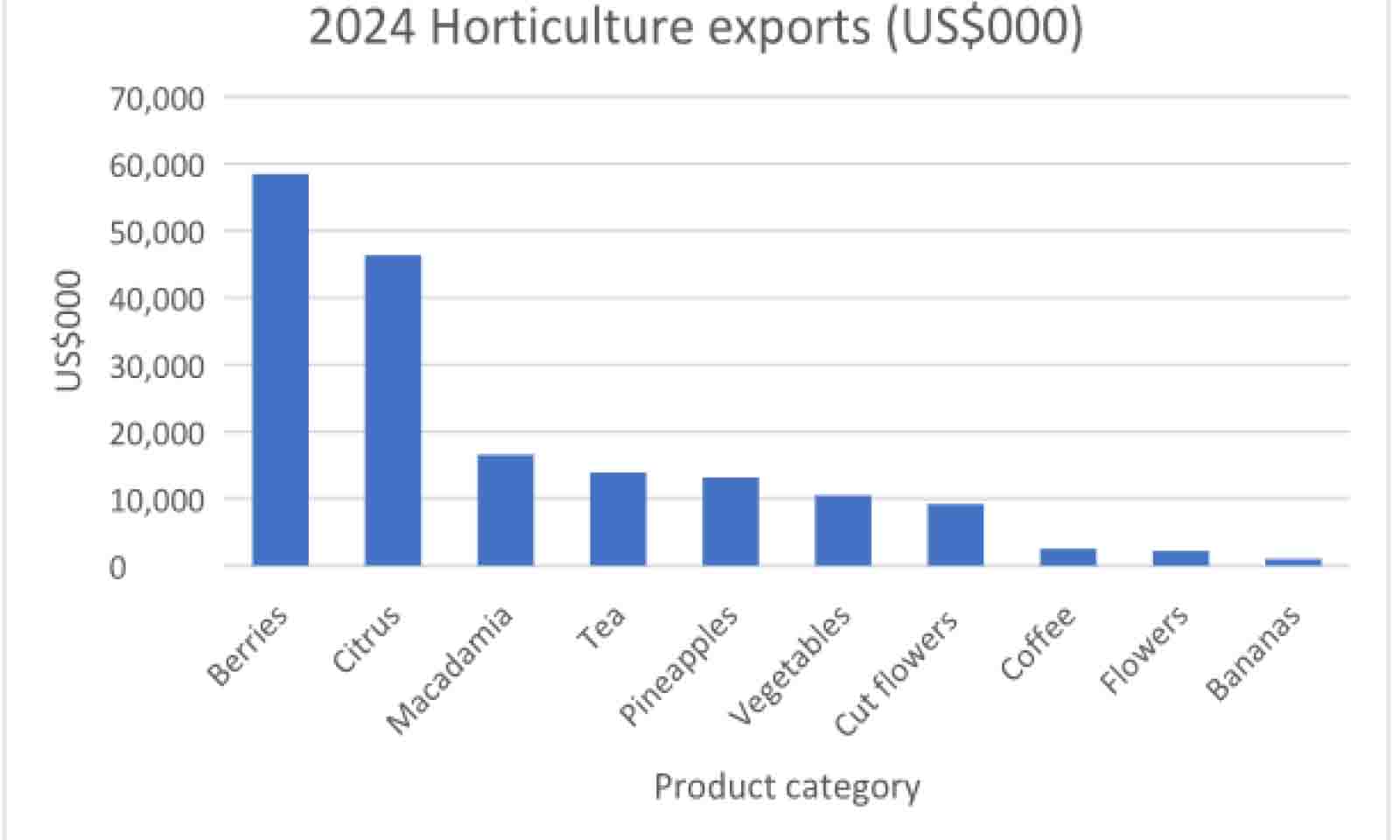
Edgar Vhera
Specialist Writer – Agribusiness
SEVEN local horticulture producers and exporters participated in this year’s Fruit Attraction in Madrid, Spain, to boost exports, national trade development and promotion organisation of Zimbabwe, ZimTrade, has revealed.
Fruit Attraction, which was held from September 30 to October 2, is the main promotional tool for the fruit and vegetable sector.
The event is targeted at boosting international commercial activity and promoting training and interaction between professionals throughout the value chain.
The visit by the producers was sponsored by the Foreign, Commonwealth and Development Office.
“Seven Zimbabwean producers showcased the country’s finest fresh produce such as blueberries, avocados, chillies and peas.
“Avomac, Eden Chase, Forrester Estates, Kuminda, Lingflora, Navaco and Takura attended the gathering, thanks to FCDOGovUK for supporting the participating farmers,” said ZimTrade.
Meanwhile, ZimTrade has called on horticulture exporters to be aware of the window period and exploit their unique selling point (USP) to get the highest prices.
According to Zimtrade, the country’s export future depends on combining its traditional strengths with innovation, quality standards and strategic global partnerships.
The country needs to exploit trends in global markets such as e-grocery, QR codes, branded packs, ocean freight, cold chain reliability, alternative routes and risk management under logistics and resilience for export growth.
The global market requires adherence to food safety and traceability, such as stricter maximum residue limits (MRLs), certifications and digital tracking.
Sustainability issues like low-carbon supply chains, recyclable packaging and water stewardship come to the fore.
Exporters are also encouraged to practice ethical and social standards like labour rights, environmental, social and governance (ESG) compliance.
It is also important for exporters to adopt premiumisation and health and market products as superfoods.
Counter-seasonal sourcing and shelf-life management are important to ensure a year-round supply.
Paying attention to geo-political and trade shifts vis-à-vis trade deals, tariffs and conflict is also important in exporting horticultural produce.
Zimbabwe’s horticulture priority markets are the European Union (EU), the African Continental Free Trade Area (AfCFTA), Asia and the Gulf Cooperation Council (GCC) and exports over the years have been rising.