Chronicle Editor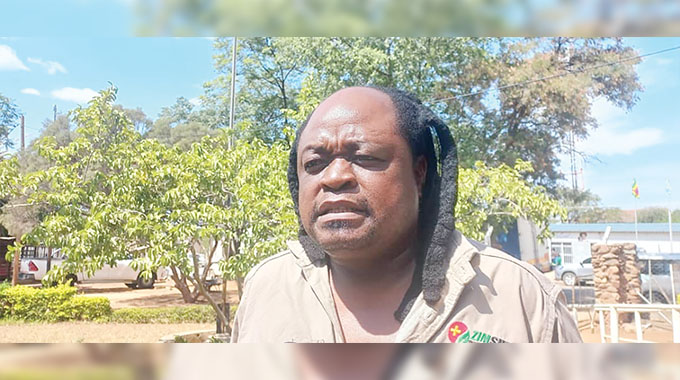
Sukulwenkosi Dube-Matutu, [email protected]
THE Zimbabwe Mining Safety Health and Environmental Council (Zimshec) has rolled out an environmental, safety and health awareness programme targeting artisanal and small-scale miners in Matabeleland South and the Midlands provinces.
The programme will be implemented in Gwanda, Insiza and Mberengwa districts. Zimshec is working with relevant Government ministries and departments and other organisations. The programme is being implemented under the theme “zero harm is achievable”.
Speaking during an inception meeting in Gwanda on Monday, Zimshec deputy executive director, Mr Philemon Mokuele, said the target is to promote responsible mining among artisanal and small-scale miners through education and raising awareness.

He said it was worrying to note that some mining accidents were a result of negligence.
“Issues of health, safety and environment protection continue to be neglected by some artisanal and small scale miners. We have miners who conduct their operations without proper equipment and protective clothing,” said Mr Mokuele.
“Some work from dangerous shafts, which cause occupational hazards. There is also a problem of miners who cause a lot of damage to the environment and don’t bother to restore the environment as expected.”
Mr Mokuele said their target is to first engage registered miners, with the hope that this will help influence unregistered miners to formalise their operations.
He said, by training artisanal and small-scale miners, they expect to see them adhering to regulations. Mr Mokuele said the programme will also address sexual reproductive health issues.

He said they are targeting to strengthen networks among line Government ministries, civil society and community-based organisations working around safety health and environment in the artisanal small-scale mining sector.
The programme is being funded by the European Union. Zimshec was formed by seasoned miners to address anomalies in the artisanal and small-scale mining sector.
“Our objective is to close the gaps which exist, so that miners know how to run their operations without risking the lives of their workers, damaging the environment and inconveniencing the surrounding community,” said Mr Mokuele.
“We want to educate them on all mining-related issues, so that they can run their operations as proper businesses.”
Speaking during the same meeting, the Environmental Management Agency (EMA) Gwanda district environmental officer, Mrs Thandeka Mlilo, said there is a lot of land degradation caused by mining activities.
She said the compliance rate with regulations for registered artisanal and small-scale mines was below 50 percent. Mrs Mlilo said efforts to engage illegal miners have been fruitless, as they flee.
“We hope that this intervention from Zimshec will assist in addressing issues of non-compliance among artisanal and small-scale miners.
“The inspections that we conducted have shown that some of these artisanal miners are operating without the Environmental Impact Assessments (EIAs) and those who have are not following them,” said Mrs Mlilo.
“There is also a need to address the problem of unregistered miners. Whenever we try to engage them and educate them on issues of compliance, they flee. The miners are also disregarding the call by President Mnangagwa for people to keep their environments clean.”
Forestry Commission’s Gwanda district forestry extension officer, Mr Fortunes Felix Matutu, said mining activities are the major cause of degradation and are among the drivers of deforestation. He said most small-scale mining operations do not follow the provisions of Section 5 of the Forestry Act, which speaks to the regulation of mining and conservation of forest resources.
“In most cases, we have noticed that whenever people get claims, they believe that they have the right to do as they please with the forest resources within the area,” he said.
Mr Matutu said the EIA has a section of vegetation, which the miners overlook. He said the vegetation rehabilitation plan runs from the implementation to the end of the project.
“From our surveys, we established that mining is the second contributor in terms of deforestation while it’s the number one contributor of land degradation. Most small-scale miners cut down trees for timber to support their shafts underground,” he said.
“They cut down trees to pave the way for their mining activities. This affects our environment greatly, as it also leads to bush encroachment and the proliferation of invasive species.” —— @DubeMatutu.


 Online Reporter