Chronicle Editor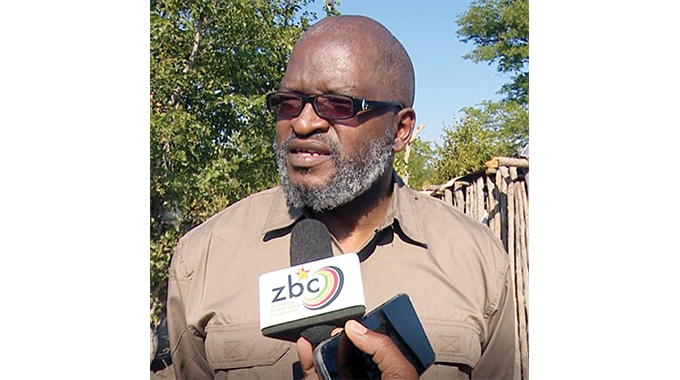
Michael Magoronga, Midlands Correspondent
THE Zimbabwe National Statistics Agency (Zimstat) is set to conduct a pilot census in November in preparation for the national population census scheduled for April 2022.
The pilot census which will run from 18 to 27 November is set to put to test the new paperless Computer Assisted Personal Interview technique for the first time.
Under the new technique, every enumerator will be having a tablet, feeding the data directly into the system.
Speaking during an ongoing capacity-building workshop in Kwekwe, Zimstat Director General, Mr Taguma Mahonde said the pilot census is meant to gauge the state of preparedness.
“The pilot census is meant to position us for the 2022 population and housing census. Ideally, we could have held it under the same conditions, that is, we could have held it in April so that we take into account issues like weather patterns so that we can have solutions. However, we are holding it in November so that we test our logistical and general preparedness to conduct the enumeration come 2022,” said Mr Mahonde.
“As you are aware we are doing away with paper into tablets. We are also designing a tablet questionnaire as we move from the paper method. Therefore, we are going to put all these to test before that actual census. This means if we detect a problem, we can go back to the field and try to iron out the challenge until we are ready for the 2022 census.”
The new method is expected to quicken the release of results.
Preliminary results are now expected within three months using the new method as opposed to 24 months under the old system.
Treasury has increased the initial budget of the census from $87 million to $98 million to cater for personal protective clothing given the Covid-19 pandemic.
The census mapping exercise is expected to have been concluded by January next year ahead of the census in April.
The mapping involves the subdivision of the whole country into enumeration areas with an average of 100 households each.
“We started with only 14 teams but we have since increased them to 72 teams which are on the ground conducting the mapping exercise so that the enumerators will each have about 100 households to conduct the enumeration process. So far, I can safely say we are done with Bulawayo as well as 32 rural districts. By January 2022, we would have been done with the mapping process,” he said.



 Online Reporter