mbulelo smpofu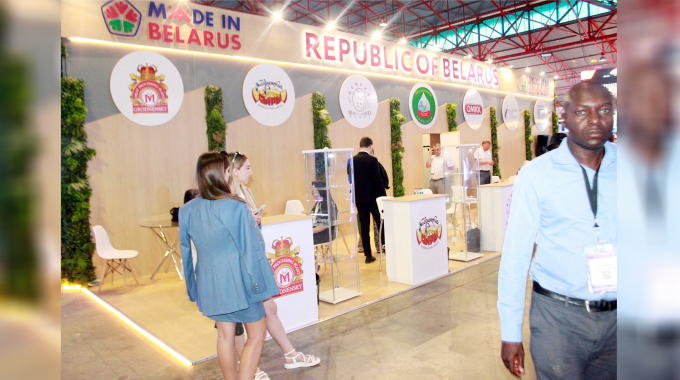
THE 65th Zimbabwe International Trade Fair (ZITF), christened the “Blue Sapphire Edition,” ignited Bulawayo with vibrant energy on 21 April, culminating in a grand opening ceremony last Friday, officiated by Mozambican President, Daniel Francisco Chapo.
Under the theme, “Industrialisation: Crafting an Integrated Economic Landscape,” this iconic trade fair has solidified its role as a cornerstone of Zimbabwe’s economic transformation, aligning seamlessly with Vision 2030 to achieve an upper-middle-income economy. The event drew over 620 exhibitors, including 200 international businesses from 25 countries and thousands of regional and global visitors, underscoring its stature as a catalyst for industrial growth, regional integration and global investment.
A storied legacy of trade and industrial ambition
Since its inception in 1960 as a platform for Rhodesian exports, the ZITF has evolved into one of Africa’s premier business expos. Post-independence in 1980, it became a symbol of Zimbabwe’s industrial aspirations, adapting to economic challenges while championing modernisation. Today, the fair reflects Vision 2030’s focus on industrialisation, value addition and sustainable development. The 2025 edition welcomed a record 620 exhibitors, with pavilions from nations such as China, India, Germany, South Africa and the United Kingdom, highlighting its global appeal and strategic role in crafting an integrated economic landscape.
A strategic industrial engine
The ZITF’s core mission is to drive economic growth through industrialisation, attracting foreign direct investment (FDI), and fostering regional collaboration. Aligned with Vision 2030, it promotes industrial development, job creation and export-led growth, addressing national priorities such as productivity and economic resilience. The theme “Industrialisation: Crafting an Integrated Economic Landscape”, emphasises the creation of interconnected industrial ecosystems to achieve sustainable development.
Exhibitors showcased advanced manufacturing, renewable energy systems and fintech platforms, signalling Zimbabwe’s commitment to a modern, industrialised economy.
The fair highlighted the importance of regional economic unions, such as the Common Market for Eastern and Southern Africa (Comesa), the African Continental Free Trade Area (AfCFTA), the Development Bank of Southern Africa (DBSA) and Brics through discussions and exhibitor participation. However, the absence of dedicated pavilions for these blocs limited their visibility. For future editions, the ZITF should establish a full pavilion for regional economic unions to provide comprehensive information to Zimbabweans and visitors. This pavilion would educate businesses and the public on the benefits of these blocs, including market access, trade facilitation and investment opportunities, fostering greater participation in regional and continental trade frameworks. Such a pavilion would align with Vision 2030’s goal of integrating Zimbabwe into global and regional industrial value chains.
Fintech solutions, including blockchain-based trade finance, digital payment platforms and mobile banking, underscored the ZITF’s role in modernising Zimbabwe’s industrial and financial sectors, enhancing financial inclusion and streamlining cross-border trade — key tenets of Vision 2030.
Presidential presence: A beacon of regional unity
Mozambican President Chapo’s attendance as guest of honour, alongside President Mnangagwa, highlighted the ZITF’s significance in fostering regional industrial collaboration. President Chapo’s “exciting blessings” praised the fair as a “catalyst for an integrated Southern African economy.”
“The ZITF embodies Africa’s potential to industrialise and thrive,” he said, emphasising deepened bilateral ties in manufacturing, infrastructure and energy. His presence continues a tradition of regional leaders attending the ZITF, reinforcing its role in fostering diplomatic and economic ties aligned with Vision 2030’s regional leadership goals.
A gateway for regional trade and investment
The ZITF is a vital conduit for regional and global trade, connecting Zimbabwean industries with counterparts across Africa and beyond. Exhibitors from countries like Kenya, Malawi, Zambia, and Ethiopia showcased industrial machinery, processed foods and textiles, highlighting opportunities for intra-African trade. Investors from Asia, Europe and the Middle East, with pavilions from China, India, the United Arab Emirates and Germany, explored partnerships in manufacturing, mining and technology.
The UK’s Number 10 Downing Street exhibition marked a significant step in restoring strained relations with British firms in advanced manufacturing, renewable energy, education and fintech, signalling collaboration in modernising Zimbabwe’s industrial base. Discussions centred on infrastructure investment and trade in refined minerals, aligning with Vision 2030’s goal of re-engaging global markets to drive industrial growth. A proposed pavilion for regional economic unions in future ZITFs would further enhance these connections by providing a dedicated space to showcase trade and investment opportunities within Comesa, AfCFTA, DBSA and Brics frameworks, educating Zimbabwean businesses on how to leverage these blocs for industrial expansion.
Showcasing industrial diversity and innovation
The ZITF 2025 featured 620 businesses, showcasing Zimbabwe’s industrial prowess across mining, agriculture, manufacturing and technology. The mining pavilion highlighted refined minerals such as lithium, gold, platinum and nickel, positioning Zimbabwe as a critical player in global clean energy and industrial supply chains — a priority for Vision 2030’s value-addition agenda. Agricultural exhibitors displayed processed goods, from organic teas and coffee to packaged horticultural products, targeting high-value international markets to bolster industrial exports.
Fintech providers, including EcoCash and InnBucks, unveiled digital payment platforms, blockchain-based trade finance solutions, and mobile banking innovations, supporting small and medium enterprises (SMEs) and industrial financial inclusion. Research institutes like the Scientific and Industrial Research and Development Centre (SIRDC) and the University of Zimbabwe’s Innovation Hub showcased breakthroughs in agro-processing, industrial biotechnology and renewable energy, driving technological advancement in line with the theme of industrial integration. To maintain a business-focused environment, non-business entities like social groups and churches were excluded, ensuring the fair remained a professional hub for industrial activity.
Empowering rural municipalities for industrial growth
The ZITF empowered rural municipalities to showcase their natural and industrial potential, aligning with Vision 2030’s inclusive growth and devolution agenda. Districts like Matobo, Binga, Chiredzi, and Gokwe highlighted their rich flora and fauna, promoting eco-tourism and sustainable industrial resource use. Exhibits featured indigenous plants like moringa, aloe and baobab for natural medicine, supporting Zimbabwe’s ambition to reduce reliance on foreign pharmaceuticals and develop a localised industrial healthcare sector.
Municipalities marketed industrial investment opportunities, from agro-processing plants to tourism infrastructure and small-scale manufacturing. Hwange Rural District Council pitched eco-lodges, cultural tourism projects and renewable energy initiatives near Victoria Falls, while Binga promoted fisheries, eco-tourism, and fish processing industries along Lake Kariba, attracting regional investors. These efforts integrate rural areas into industrial and trade networks, creating jobs and boosting local economies in support of Vision 2030’s goal of decentralised industrial development.
Tourism: A catalyst for industrial diversification
The ZITF drew regional, domestic, and international tourists, blending industrial networking with Bulawayo’s cultural vibrancy. Domestic visitors explored industrial opportunities, while regional tourists from South Africa, Botswana, Mozambique, and Zambia forged partnerships. Foreign delegations from the UK, China, the United States and Japan combined business with leisure, visiting attractions such as the Matobo National Park, the Khami Ruins and Great Zimbabwe. The fair’s tourism impact, with near-full hotel occupancy, underscores its role in economic diversification, aligning with Vision 2030’s goal of increasing tourism’s contribution to Gross Domestic Product through industrial-tourism synergies.
A vision for an integrated industrial future
The 65th edition of the ZITF has reaffirmed its status as an industrial tool for economic growth, bridging local aspirations with global opportunities. A pavilion for regional economic unions in future editions would amplify awareness of Comesa, AfCFTA, DBSA, and Brics, empowering Zimbabweans with knowledge to engage in regional and continental trade. Fintech solutions and research institutes highlighted Zimbabwe’s modernising industrial ecosystem, while the focus on refined minerals and natural medicine supports export diversification and import reduction, key Vision 2030 objectives.
The Blue Sapphire Edition inspired businesses, investors and policymakers to build a resilient, industrialised economy. The ZITF is not just an event — it is a transformative force, positioning Zimbabwe as a leader in Africa’s industrial future and a beacon of economic integration.



 Online Reporter