

 daniel chigunwe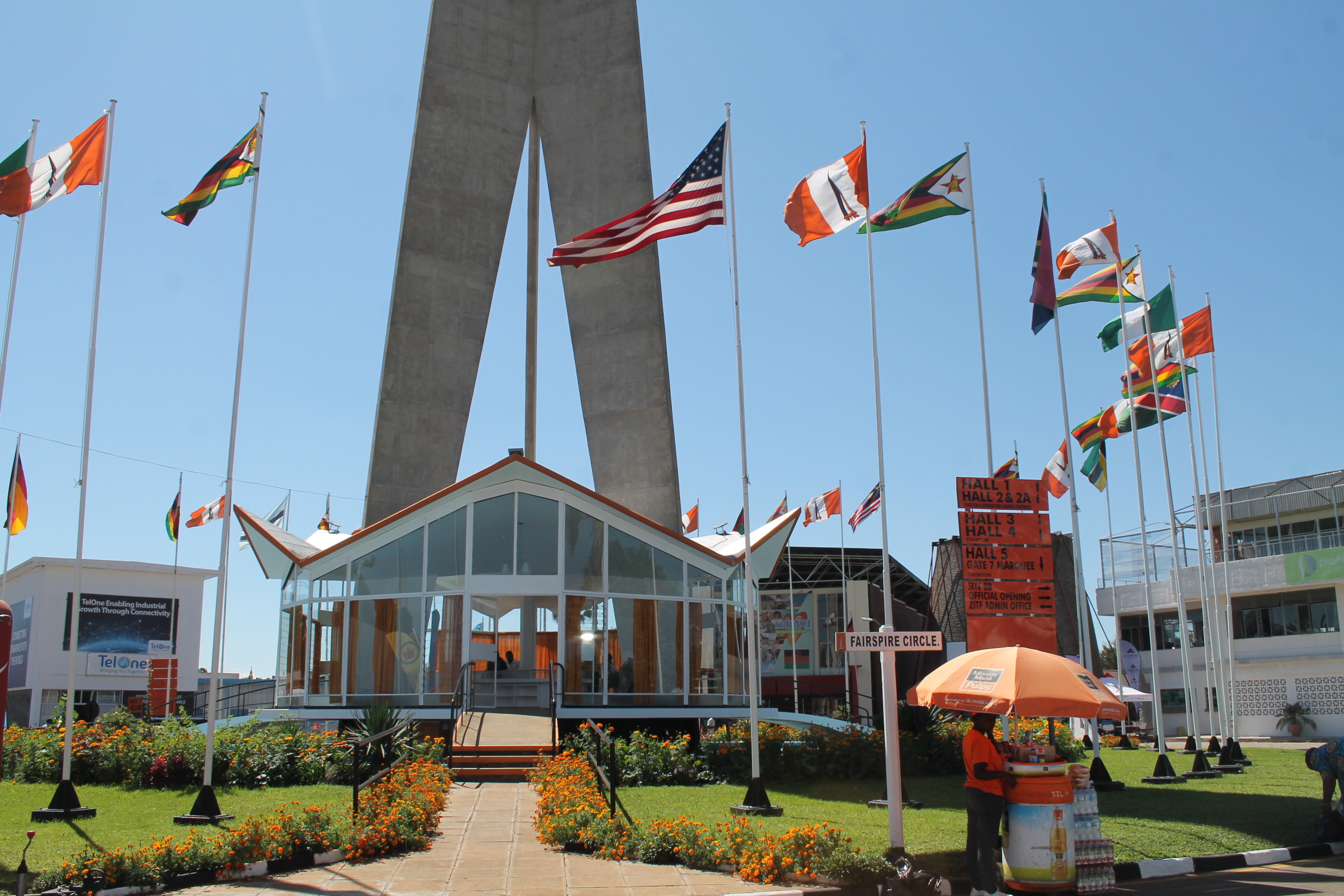
Nqobile Bhebhe
The launch of the Zimbabwe International Conference and Exhibition Smart City (ZICES) by the Zimbabwe International Trade Fair Company in April has attracted significant interest from both domestic and foreign investors and partners.
A senior official said the focus is on seeking proposals for key anchor projects.
This proposed development is a visionary initiative led by the ZITF Company.
Officials are optimistic about the project’s potential to transform the Zimbabwe International Exhibition Centre into a modern, multi-use asset for Zimbabwe.
The ZIEC project, reimagined by ZITF Company as a ‘Smart City,’ aims to create a dynamic 17-acre complex. With a projected cost of US$300 million, it seeks to revitalise the region and position Bulawayo as a top destination for business tourism, commerce, culture and leisure.
ZITF CEO Dr. Nicholas Ndebele, noted that the April masterplan attracted significant interest from domestic and foreign investors.
“ As we embark on Phase Three, we will be seeking proposals for key anchor projects, such as a retail shopping centre, to drive the development of this innovative urban hub,” said Dr Ndebele. ZICES will not only create new jobs and boost the local economy but also transform our site into a modern, multi-use and economically viable asset for Zimbabwe,” he added.
The ZITF Company is actively engaging stakeholders to bring its vision to life, and public-private partnerships (PPPs) are seen as a potential model for financing key aspects of the project.
The Government has also pledged its support through investment incentives that align with the country’s National Development Strategy 1 (NDS1). This strategy aims to propel Zimbabwe towards achieving upper-middle-income status by 2030. He noted that there would be phased approach that allows for seamless trade and business continuity.
“To ensure minimal disruption to ZITF’s ongoing events and to their own operations, we are actively engaging stakeholders to develop a phased approach that allows for seamless trade and business continuity while construction takes place in designated areas.”
According to ZITF Company, the new and envisaged precinct will feature a new international convention centre to accommodate up to 5 000 delegates, a new 500-room hotel linked to the convention centre, a five-star Boutique Hotel with facilities to host travelling heads of state and very important persons.
Bulawayo traditionally faces hotel room shortages during the annual trade exhibition and Government is periodically engaging the private sector to attract investment into facilities.
The Government is pushing the Meetings, Incentives, Conferences and Exhibition (Mice) agenda which thrives on accommodation availability.
Zimbabwe has an estimated less than 6 000 hotel rooms in total.
In addition to the new anchor developments, the ZICES will also retain over 25 existing structures of historical significance, which will be modernised to provide a new contemporary look aligned with the overall vision.
Dr Ndebele said the modernisation of the exhibition centre and the integration of technology have significantly enhanced the attractiveness and business growth of events.
“In addition to being the cultural hub of the country, we aspire to position Bulawayo as the meetings and conferencing hub of the country.
“The City of Bulawayo has always been associated with royal etiquette, giving visitors an opportunity to experience the spirit of ubuntu as they go about their business. We have upgraded our facilities to provide a more comfortable and conducive environment for exhibitors, business delegates and visitors.
“Ambience is everything in our quest to improve customer experience. Our contemporary customer is fairly well travelled, knowledgeable and exposed.”
Recently, President Mnangagwa expressed gratitude to Zimtrade Annual Exporters conference organisers for moving the event to Bulawayo saying: “It dovetails with my Government’s policy on devolution and quest to promote Bulawayo as a premier conferencing destination.”
Dr Ndebele noted that there is high utilisation of permanent pavilions at the exhibition park as they have become a valuable asset for many companies, providing them with a dedicated space to showcase their products and services year-round.
He said companies and organisations such as the Zimbabwe National Road Administration (Zinara), Bulawayo City Council and TelOne are using their permanent pavilions as sales outlets, marketing hubs, and customer service centres.
“Pavilions are also being used as showrooms to showcase companies latest products and innovations through interactive demonstrations. Permanent pavilions offer convenient meeting venues for companies to connect with clients, partners, and industry peers; away from the inconvenience of the CBD or their industrial premises and taking advantage of the ample, free parking space.”



 Online Reporter