admin
admin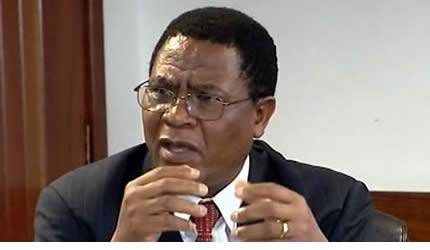
Manicaland region refused to vote citing regionalism in the selection of leaders for commerce’s biggest representative group. Sources said the AGM, held ahead of the business grouping’s annual congress, was forced to drag on for more than an hour after the time it was scheduled to end as members haggled over the disputed issue.
While the full names of the candidates who were supposed to assume office could not be established, The Herald managed to get those of Mr C Mugova (ZNCC chairperson), Mr T Malaba (second vice president) and Mr R Makave (Matabeleland vice president).
“We are now being affected by regionalism because as it stands now the elections have been abandoned after Manicaland delegates walked out (of the AGM),” said a source.
“The province was bitter as other provinces continued getting priority in the election of candidates to leadership positions while it is always overlooked.”
The issue of divisions within this business lobby group was confirmed by Comesa secretary general Dr Sindiso Ngwenya who said there was no unity of purpose.
Dr Ngwenya was the guest of honour at the congress.
He said the chamber’s members did not work as a collective unit, which he said confused policy makers and weakened ZNCC’s strength to influence policy.
“As ZNCC, the challenge is, I get the impression that you do not work as a collective, you all work individually,” said Dr Ngwenya. “When one looks at the required regional integration, this is also a major challenge. You should be in a position to work together.”
Industry and Commerce Minister Welshman Ncube failed to turn up for the congress.
Dr Ngwenya said ZNCC could not become a regional or international champion if its officers continued to work individually.
He also said it was puzzling to note that ZNCC had an adversarial relationship with Government, which would see the chamber continuing to struggle to bring about the desired policies.
Mr Ngwenya said depleted infrastructure was a major challenge for Zimbabwe to achieve competitiveness.
He said the country’s manufacturing and clothing textiles had fallen considerably from the country’s peak performance in the Comesa regional market.
Mr Ngwenya said countries like South Africa benefited from friendly trade pacts with America and Europe, yet other SADC countries were stifled by the bloc’s rules.


 Online Reporter