admin
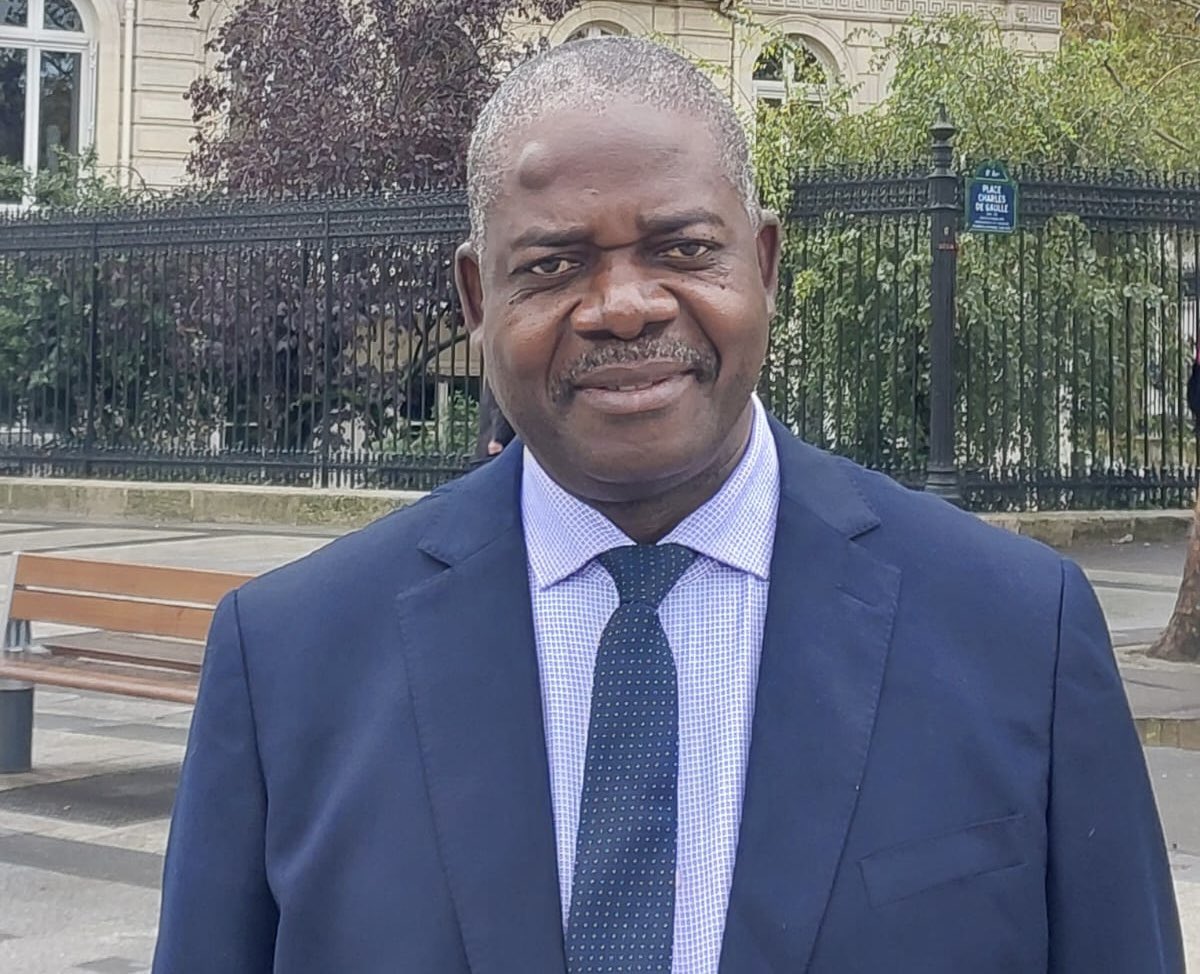
adminZPC chairman Mr Victor Gapare said the company wants to increase output from installed capacity under the utility’s strategic focus over the next five years, following a strategic review of operations, which identified three gaps that need mending.
Zimbabwe is currently able to generate an average of 1 200MW against a national peak demand of 2 200MW.
Zimbabwe has to import electricity from Mozambique to reduce the deficit between demand and supply.
“In December 2012, the ZPC team carried out a strategic review of our business and we identified three gaps which we will focus our attention on over the next five years,” said Mr Gapare.
The three gaps include the deficit between installed capacity at existing generation stations, additional capacity that ZPC needs to build and enhancing of personnel capacity at the power company.
The plans to increase output come amid plans to expand capacity at Hwange Thermal Power Station and Kariba Hydropower Station by about 600 megawatts over the next three to four years.
But ZPC said the current average demand stands at about 1 500 megawatts. Closing the gap between current generation and installed capacity at existing power stations will involve repowering small thermals at Harare, Bulawayo and Munyati and life extension at Hwange.
Mr Gapare said in a statement last week that tenders have already gone out for Harare and Bulawayo while a report on Hwange has been completed and is in the process of being evaluated.
The second gap is the additional capacity to be installed and in this regard Kariba South expansion and Hwange 7 and 8 projects are quite advanced in terms of planning and implementation.
ZPC also has other projects, such as Batoka, Gairezi, solar and coal bed methane under consideration. Closing the third gap regarding creating capacity in ZPC will involve changing the culture within the organisation as well as upgrading skills within the organisation so that it can deliver on its promises.
The greatest challenge facing ZPC is capital, as the company has not received meaningful capital over the last 10 years and the capital expenditure which should have been done that time “cannot be wished away”.
Like all other businesses in Zimbabwe today, ZPC is struggling to raise the capital it requires, which is worsened by a tight liquidity crisis, due to the perceptions of risk associated with Zimbabwe.



 Online Reporter