Chronicle Editor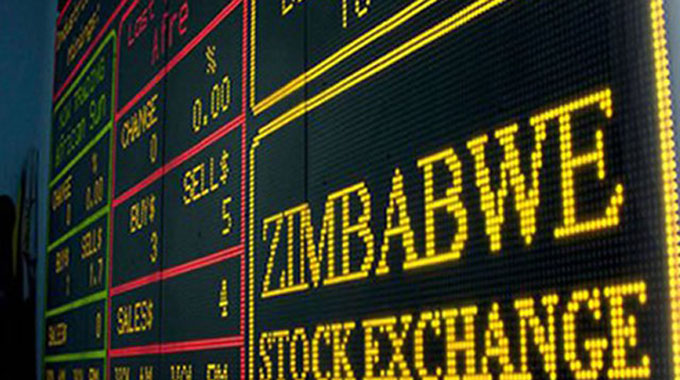
Oliver Kazunga, Senior Business Reporter
THE Zimbabwe Stock Exchange (ZSE) market capitalisation has reached a record high of $17,3 billion since 2009 as investors seek to hedge the value of their investments against the prevailing economic uncertainty.
In recent weeks, the country has been dogged by an increased supply gap due to persistent forex shortages to import critical raw materials to produce goods and services.
Parallel market exchange rates and prices of goods and services have also been on an upward trajectory.
The ZSE has indicated that as at November 5, market capitalisation stood at $17,3 billion while the value of foreign sales and buys were at $1,5 billion and $129 365 respectively.
In separate interviews on Monday, market watchers said the bullish run of the market capitalisation on the local bourse was not reflective of the economic fundamentals.
Bulawayo-based economic commentator Mr Morris Mpala said: “l think what we need to understand is what has been happening in the market when the exchange rates shot up, people have been trying to gain value so the only way now in economics is the stock market, which offers a haven to preserve value.
“So what people are now doing in terms of the RTGS (Real Time Gross Settlement) values that people had, they have taken that money and put it on the stock market thereby raising the stock exchange prices that were prevailing at the time.
“So, you might discover now that it’s unprecedented to such a manner as to reach these levels in terms of capitalisation.”
He said in other words, people were just trying to put their money where they can hedge against the adverse effects of inflation.
“That (upsurge in market capitalisation) does not indicate that there is production going on in the economy. It’s just a matter of investors seeking a haven to be able to preserve the value of their money,” said Mr Mpala.
Another economic commentator Mr Luckson Zembe echoed similar sentiments adding that the bullish trend on the stock market would eventually correct itself when there is change of economic policies especially through the fiscal policy expected to be announced later this month.
“It will correct itself and once people see that its about to do self-correction, you will begin to see them disposing of their shares.
“It is important to realise that it is not being driven by the fundamentals in the economy and that’s not sustainable because we need a stock exchange that is driven by production on the ground,” said Mr Zembe.
Finance and Economic Development Minister Professor Mthuli Ncube is expected to present the 2019 national budget statement on November 22.
Another economist Mr Peter Mhaka said unless Zimbabwe’s policy framework excites domestic and foreign investors, no investment would occur in the country. Government has come up with a two-year economic Transitional Stabilisation Programme) aimed at restoring sanity in the economy as well as attracting investors in different sectors. — @okazunga



 derick.khumalo