Chronicle Editor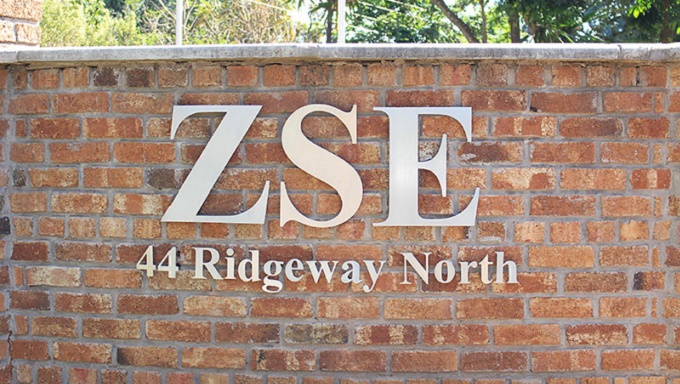
Oliver Kazunga, Senior Business Reporter
THE Zimbabwe Stock Exchange (ZSE) has further directed that trading of securities on the local bourse should be done under caution until the extended lockdown period is over.
This follows the extension of the national lockdown period by a further 14 days to May 3 beginning last Sunday in response to rising cases of Covid-19 cases in the country.
The global pandemic has so far killed four people in Zimbabwe out of the 28 confirmed cases.
The initial 21-day national lockdown period, which began on March 30, 2020 expired last Sunday.
Globally, Covid-19 cases continue to be on the rise with close to 200 000 deaths and 2,5 million people infected.
In a statement on Tuesday, the ZSE chief executive officer Mr Justin Bgoni said:
“Further to the public notice issued on April 1, 2020 regards to the national lockdown order (Statutory Instrument 83 of 2020) declaring a national lockdown to contain the spread of Covid-19, a further extension has been announced through Statutory Instrument 93 of 2020.”
The lockdown, therefore, has been extended by 14 days to 3 May 2020.
“As a result, all listed entities shall continue to trade under cautionary for the duration of the lockdown period including any subsequent extensions until it is formally dispensed with in terms of the law,” he said.
The requirement to publish special trading updates has not been extended or waived and all listed companies are expected to have published Special Trading Updates by the 15th of next month.
Following the announcement of the initial lockdown, the ZSE said premised on the need by the bourse to protect shareholders and investors during the volatile, uncertain, complex and ambiguous period, the trading of shares was being directed to be done under caution.
Meanwhile, investors on the ZSE have been reported to have lost a cumulative $1 billion in the week ended last Wednesday as stocks trading was mixed amid uncertainties brought about by the Covid-19 pandemic. The world over, investors have incurred huge losses following the outbreak of the Covid-19 pandemic which has caused severe disturbances to economic activity.
The World Bank already sees the sub-Saharan Africa region’s economic growth fall sharply from 2,4 percent in 2019 to between -2,1 percent and -5,1 percent in 2020.
Agriculture is also expected to significantly contract due to disturbances caused by the pandemic thereby driving the region into severe hunger and poverty.
Agriculture production is seen contracting by between 2,6 percent in an optimistic scenario and up to 7 percent if there are trade blockages. The sector is one of the key drivers of the region’s economic growth supported by the tourism sector, which has already suffered due to travel restrictions, which has seen Zimbabwe hotels closing. — @okazunga.



 Online Reporter