Online Reporter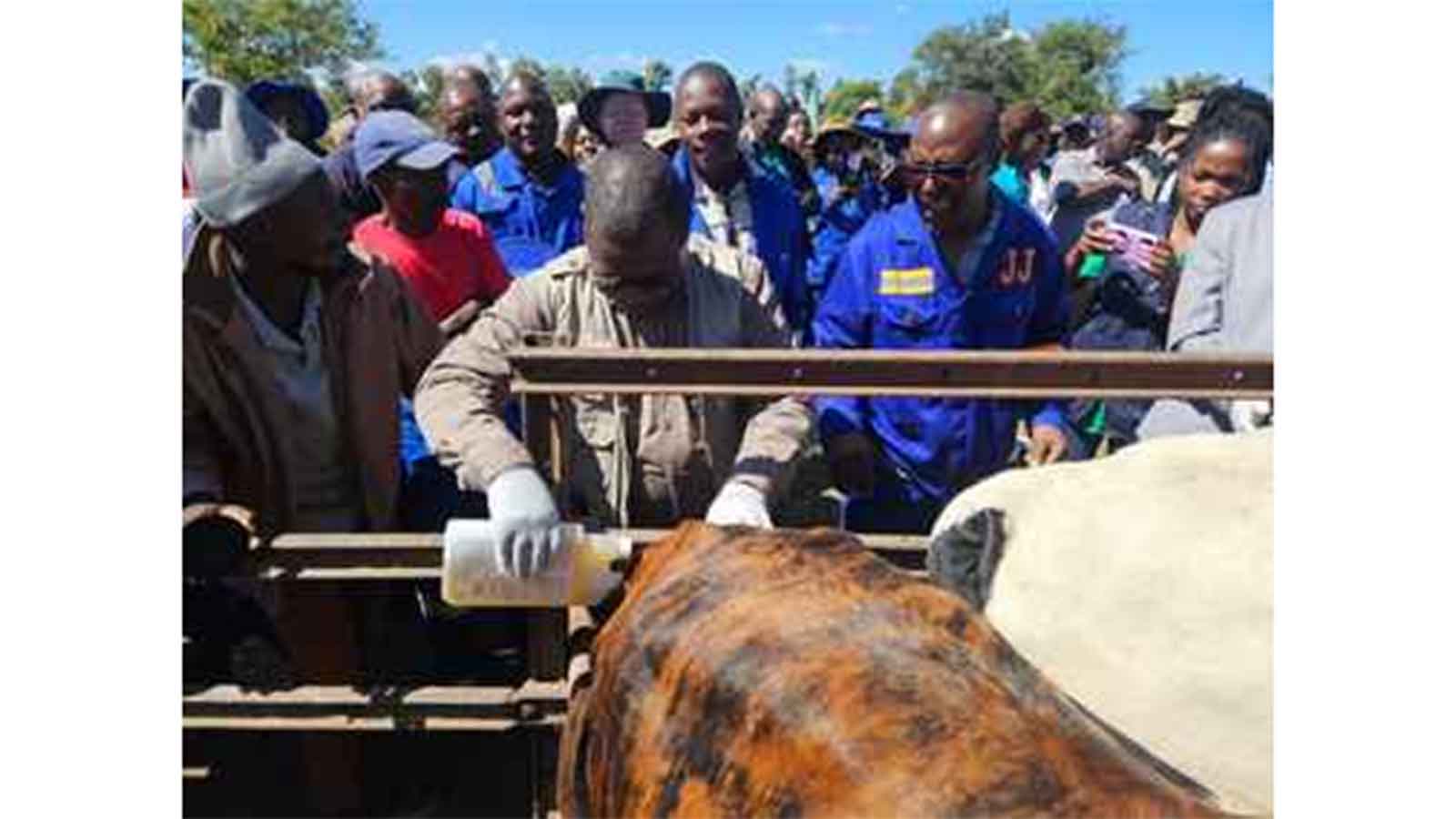
Theseus Shambare
At least 100 000 cattle have been vaccinated in disease hotspot areas across Zimbabwe as the Government ramps up efforts to curb tick-borne livestock diseases amid a wet 2025-2026 summer season.
Persistent rains in many provinces, which in some cases is above average, have created ideal conditions for the spread of Theileriosis (January Disease), Babesiosis (Redwater), Anaplasmosis (Gall Sickness) and Cowdriosis (Heartwater).
Transmitted by various tick species, these diseases can cause high mortality and reduce productivity if left untreated.
In an interview, the chief director of the Department of Veterinary Services, Dr Pious Makaya, said the summer plan prioritises vaccination using locally produced vaccines to build long-term herd immunity.
“In 2025, more than 60 000 communal cattle were vaccinated against Theileriosis in 25 identified hotspots using locally developed Theileria BOLVAC vaccine,” Dr Makaya said.
“This figure excludes private sector vaccinations, including those for large-scale farmers. An additional 40 000 cattle received inoculations against Babesiosis and Anaplasmosis.”
While Theileriosis poses the greatest risk, he said, the Government is closely monitoring Babesiosis, Anaplasmosis and Cowdriosis.
“If untreated, these diseases can devastate herds and threaten national food security,” he said.
“Theileriosis, spread by the brown ear tick, causes swollen lymph nodes, fever, and can result in high mortality. Babesiosis destroys red blood cells, leading to fever and red-coloured urine. “Anaplasmosis causes severe anemia, jaundice, and constipation.
Cowdriosis attacks the nervous system and can result in fluid accumulation around the heart and lungs.”