Chronicle Editor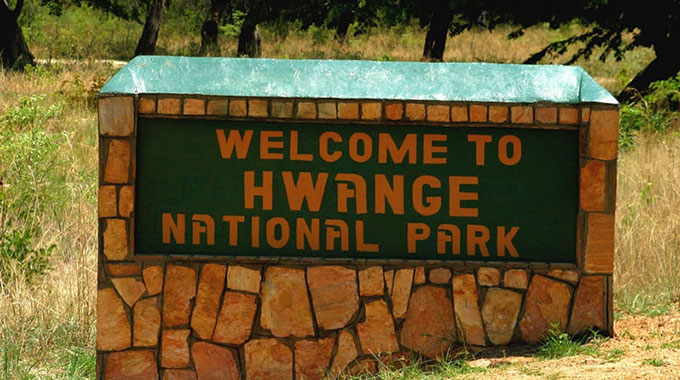
Rutendo Nyeve, Sunday News Reporter
THE Zimbabwe Parks and Wildlife Management Authority (ZimParks) has drilled more than 100 boreholes in the Hwange National Park as part of measures to ensure that the water situation is under control while calling on various stakeholders to come on board in the quest to conserve the park’s variety of wildlife.
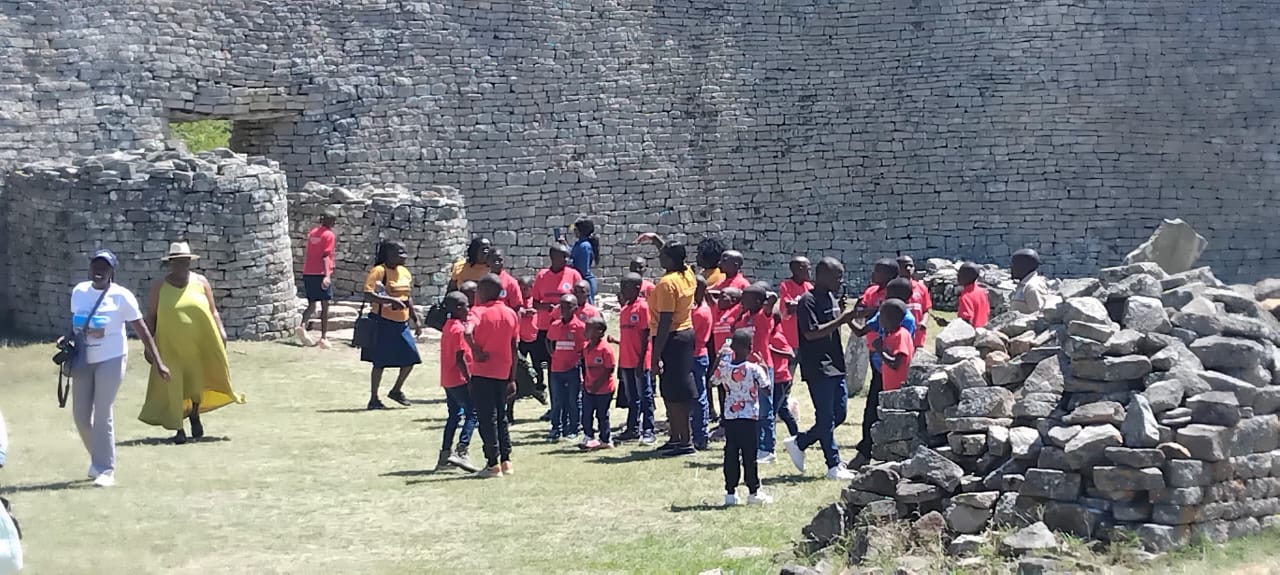
Contrary to reports that the animals were migrating to neighbouring Botswana in search of water, Sunday News visited the national park and observed a hive of activity as both international and local tourists flocked into the park to witness the breathtaking nature of the jungle. The domestic tourists consisted of learners from different schools from across the country and a number of international visitors.
Zimparks Director-General Dr Fulton Mangwanya said while it was a fact that the park does not have natural surface water available like a river or a dam, the authority had put place measures to ensure the animals do not lack water. They have drilled more than 100 boreholes that tap into bountiful underground water.
“We tend to have serious problems of water around this time and worse when we actually have poor rainfalls. We have got 104 boreholes in Hwange National Park and I think from those only two are electrical and the rest are solar-powered. When we have water shortages like now, we came up with a plan that since all boreholes are solar, we should pump water during the night. We have got some generators and some batteries and this is what we are doing to ensure that we have got water,” said Dr Mangwanya.
A tour of the park revealed that the animals were drinking from the various pans or water sources where a number of tourists could be seen taking pictures of the animals. One of the viewing points is the Nyamandlovu Pan.
“These are issues which we want stakeholders to come through and help because last time one of our partners helped us by scooping one of our pans. It had actually silted because it was last scooped some 30 years ago and now they had managed to scoop it and increase its water holding capacity. As such we encourage other partners to come along so that we sing the same song in wildlife conservation,” said Dr Mangwanya.
The water situation comes at a time when an aerial elephant survey conducted by the Kaza-TFCA whose results were released recently showed that the elephant population had increased by over 10 000 from 216 970 in 2016 to 227 900 in the region. The report showed that there was free movement of animals across boundaries.
Hwange National Park and surrounding areas that fall under Kaza have 65 028 elephants, making 29 percent of Kaza elephant population, the second after Botswana, which has 131 090 elephants making 58 percent of the total Kaza elephant population. Zimbabwe had 57 398 elephants in the Kaza-administered areas in 2016.
There are also thousands of buffaloes in Hwange National Park, some of them in herds of more than 400.
The overpopulation of elephants in the biggest game park in the country which is home to more than 100 mammals and 400 bird species, has been blamed for escalating human-wildlife conflict, migration of animals and death of some wildlife as the jumbos are known for destroying the habitat and water sources. @nyeve14



 Online Reporter