Online Reporter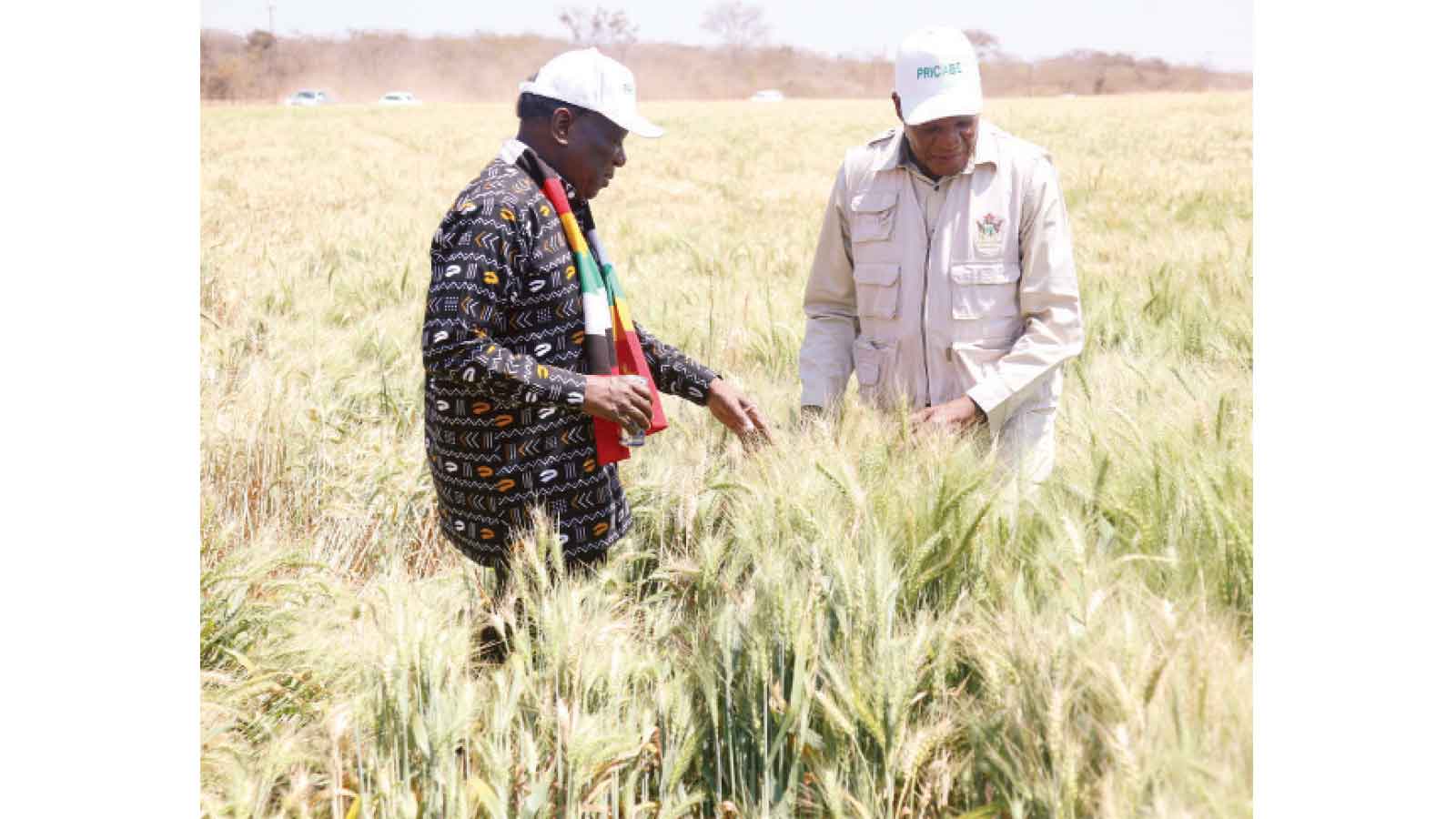
Theseus Mauruki Shambare-Herald Reporter
GOVERNMENT has identified 106 dams estimated to command about 78 159 hectares of irrigable land, forming part of a broader strategy to transform dams from water storage facilities into centres of agricultural production, value addition, employment creation and rural industrialisation.
Towards that goal, the country requires an estimated US$1,66 billion to develop the remaining 237 227 hectares needed to meet its ambitious target of 496 000 hectares under irrigation by 2030, as part of a transformative “A Dam is an Economy” strategy.
In a statement, Agriculture, Mechanisation and Water Resources Development Minister Dr Anxious Masuka said the Government was accelerating irrigation development and rural transformation through irrigation expansion.
“The President has directed that every dam must become an economy. The concept recognises that a dam must exist as an epicentre and driver of heightened agricultural production, new investment, expanded employment creation and a source of prosperity. It is in this context that the President hosted the ‘Accelerated Irrigation Development Conference’ in Harare on 4 July 2024,” said Dr Masuka.
Zimbabwe increased the area under irrigation from 171 000 hectares in 2020 to 258 773 hectares by May 2026, representing a 51 percent growth, the fastest growth since independence, at an average of 17 500ha per year.
The irrigation expansion drive, which seeks to convert the country’s vast water resources into productive agricultural hubs, is expected to play a pivotal role in climate-proofing food production, creating jobs and driving rural industrialisation.
Under the National Development Strategy 2 (NDS2) and Vision 2030, Government aims to expand irrigated land from the current approximately 258 773 hectares as of May 2026 to 496 000 hectares by 2030, effectively adding another 237 227 hectares over the next four years.
To achieve this, Government has identified 106 dams across the country’s provinces with the potential to support irrigation development and broader economic activities under the “A Dam is an Economy” concept.
The programme has marked a major shift towards harnessing Zimbabwe’s water resources to build resilience against climate change and recurring droughts.
Government is converting water bodies into irrigable areas and that journey is starting this week, with Ministry of Agriculture officials going around the provinces that are endowed with water resources.
The dams targeted under this programme have already been identified and the acreages that they command. For every hectare of irrigation that Government wants to develop, the average cost is US$7 000.
Based on the ministry’s estimates, developing the remaining 237 227 hectares required to meet the 2030 target would require approximately US$1,66 billion in investment.
Government has already secured in excess of 71 million Euros from one facility and is working on another US$100 million for another contractor.
Prof Jiri said the initial focus under the programme would be rapid irrigation development, with priority being given to proven farmers capable of quickly bringing additional land into production.
“We are looking at having those successful farmers who require excess land, who require additional land to benefit under this model because these farmers have already proven that they are successful and they are fully utilising their current land holdings,” he said.
Beyond boosting agricultural production, he said, the Government expects the initiative to trigger significant job creation throughout agricultural value chains.
“Certainly, in terms of the creation of jobs, it is massive. Agriculture is an industry and any land that is opened up for irrigation is a direct contributor to the job market,” said Prof Jiri.
He said the ultimate objective was to ensure that value addition, processing and beneficiation take place closer to production areas, thereby accelerating rural industrialisation and economic growth.
“We do not want raw materials to be transported from the production areas to a town. Rather, we would want semi-value addition, we would want value addition, we would want processing and some beneficiation to be done at the centres of production.”
As Zimbabwe pushes towards its 2030 irrigation target, Prof Jiri said, the dam-centred development model was expected to become a key pillar of food security, climate resilience and inclusive economic transformation.