Online Reporter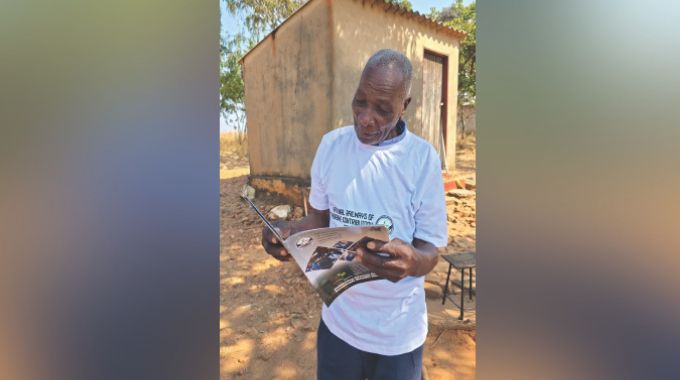
Vincent Gono recently in Mt Darwin Day Editor
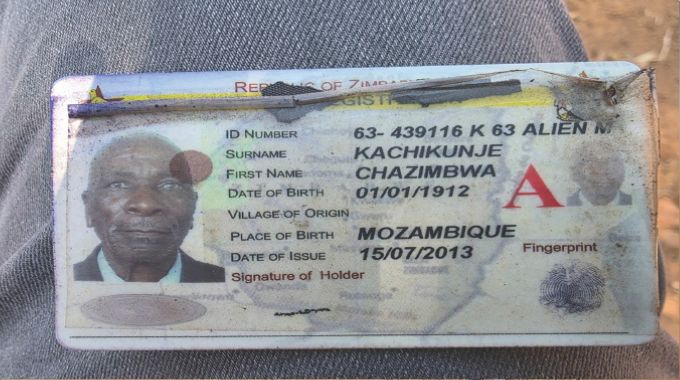
AN amazing embodiment of longevity, grit and resilience may be the apt superlatives to describe the life of Mr Chazimbwa Kachikunje who was born on January 1, 1912 in neighbouring Mozambique.
He is believed to be the oldest pensioner in the country at the remarkable age of 114 years and is still getting his pension from the National Railways of Zimbabwe Contributory Pension Fund (NRZCPF) 54 years after retiring from the National Railways of Zimbabwe in 1986 at the age of 60.
Sunday News visited Mr Kachikunje on Thursday in Mt Darwin with officials from the NRZCPF who gifted him with a grocery hamper.
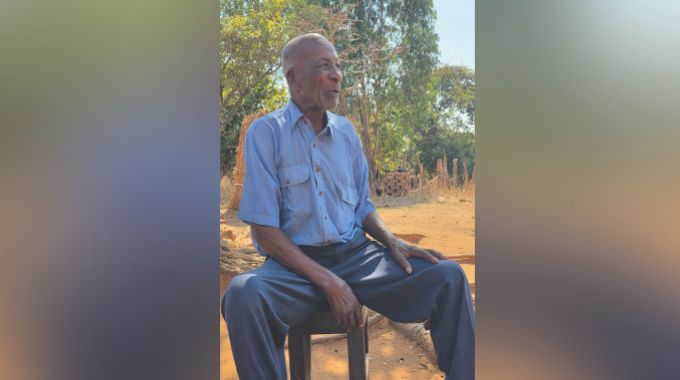
What the crew witnessed was a man who is defying biology with natural ease. A man who has seen so many things changing throughout the generations he has lived but despite his advanced age, he does not look his years.
He is far from the frailties that visit people of his age. He can walk unaided. He does not need anyone to handhold him for guidance, neither does he require a walking stick. His eyesight has remained remarkably sharp, better than many much younger individuals and so is his mind.
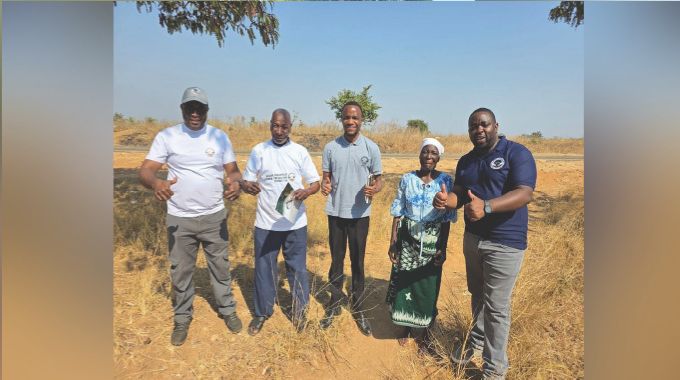
His handshake is firm, almost vice-like and his hands are not withered. They are steely and resilient. He is not suffering from any chronic disease including the dreaded prostate cancer or dementia.
And whenever he smiles, which he does without effort, he exposes the gaps in his mouth. His teeth (seven according to him) have somehow decided to pair themselves although not evenly. They are three pairs plus one that defiantly stood like a tree in a desert. In between, there are gaps that are punctuated by gums that have probably forgotten that they used to carry teeth.
He however, prides himself in his ability to chew certain soft foodstuffs.
That his teeth are no longer white can never be begrudged on him. It is a mark of a life lived longer, much of it under circumstances devoid of comfort. Their brownish colour reflects the passage of time, the foods he has eaten, including roots and tree barks chewed in his youth, even at old age.
His head resembles that of a man who had dipped it in a sack of cotton.
His homestead too, is quite humble. It does not hide its lack of opulence. What it exudes in abundance is warmth and positivity.
The genuine smiles of him and his wife who is 64 years old radiate happiness, not pretence or superficiality. Their joy is not feigned. It is an authentic part of their nature and creates a welcoming and homely aura that was capped by a prayer before formal greetings and introductions were made.
While he often attributes his longevity to “God’s grace,” he admits he does not have a special diet or secret to a long life. His wife notes that he simply takes cold baths daily and occasionally goes to the river alone for bathing.
“It also surprises me that he doesn’t use warm water for bathing. He likes it cold, even in winter. Sometimes he walks to the river to take a bath. He is exceptionally very strong,” she said.
He is a father to seven children and a generation of grandchildren that doubles the number of fingers on both hands and toes on both feet.
Pointing to his wife he told this reporter, “This is not my first wife. My first wife died a couple of years ago. We had seven children who are all grown up. One died, so there are six of them remaining. In terms of grandchildren and great grandchildren, I don’t have the number with me but they are well around 40,” he said.
They live together with their grandchildren in Village 10, Chief Nembire, in Mount Darwin, Mashonaland Central Province. Mount Darwin is approximately 160 km north-east of Harare and their homestead is about 50 km along a tarred road from the town.
Due to the district’s proximity to the Mozambique border, many people from neighbouring districts crossed into Zimbabwe in search of better employment opportunities. Mr Kachikunje was one of those who joined the great migration of young men seeking work in Zimbabwe well before independence when most farms belonged to the white people.
As a young boy, he worked as a farm labourer in the Darwendale area. Many of the early migrants were from poor backgrounds, having not attended school, they often served as herd boys or took on physically demanding jobs that many Zimbabwean young men would frown on.
He would travel back and forth to Mozambique, returning to work in Zimbabwe, although he would sometimes fail to find employment at the same farm.
In 1951, he worked in Engledon before he joined the National Railways of Zimbabwe (NRZ) at Concession, where he was employed as a loader. His duties involved manually loading bags of maize, coal, tobacco bales and sometimes rolls of barbed wire into NRZ wagons.
“It was hard labour but we had no choice than to endure the torturous exertion of it all. Most of us came from poor backgrounds in Mozambique. We had not gone to school, we had left parents and siblings back home and better paying opportunities could only be found here in Zimbabwe,” he said.
In 1964, he obtained his driver’s licence, which marked a significant turning point in his career. With this qualification, his duties changed. He was allowed to drive company vehicles to various places, including the Machipanda area in Manicaland, Masvingo, Gweru and occasionally Bulawayo. He was responsible for transporting company officials from airports to offices and vice versa.
Despite his dedication, Mr Kachikunje recalls a lapse in judgment. He told of how he announced his qualification as a driver, a move that he believes could have cost him his job. However, instead of facing repercussions, it led to his transfer from a loader to a driver, a position he held until his retirement. He retired in 1986 at the age of 60 after serving the company for thirty years.
“As a new driver, I had this urge for driving. So one day a surveyor called Pauren who was coloured parked his company car at an open space and left the keys on the ignition. I then got in his car and moved it to the shade. When he came back his face was red with fury. He asked me and I told him I have a licence and that I had decided to save the car from heat,” he said.
He added that he was asked to go and see the manager for possible punishment but when he got there they asked him to produce his driver’s licence which he did and was immediately made an acting driver. He however, laments that his salary grade was not changed. He remained in Grade 12 until he retired adding that due to the grade issue, his pension was not much.
Following his retirement, he moved to the rural areas of Mount Darwin, where he has been living with his wife and grandchildren. Throughout his retirement, he has been receiving a pension from the National Railways of Zimbabwe Contributory Pension Fund (NRZCPF). He has depended on this income since 1986, living humbly and expressing gratitude for the support it provides.
Although he laments that the pension amount has become insignificant over the years, he remains thankful for the little stability it offers, enabling him and his 64-year-old wife to buy essentials such as sugar, cooking oil and to fund their visits to the grinding mill.
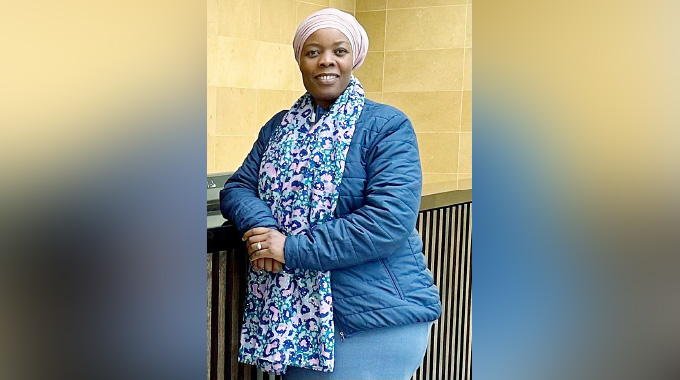
In his conversation with the NRZCPF Chief Executive Officer Ms Chipo Grace Hlabangana, over the phone, he said he was grateful for the support that he was getting from the pension fund. He said the only challenge is that he now has to travel to Bindura after the closure of CABS bank at Mt Darwin centre.
Although many pensioners like Mr Kachikunje face the reality of rising living costs especially as prices of basic goods such as food, medicine and utilities continue to increase, he said he occasionally gets food hampers from NRZCPF.
Responding to questions from Sunday News, Ms Hlabangana, said the pension fund has been making concerted efforts to cushion pensioners from the harsh economic realities.
She said the fund has undertaken initiatives to review pension pay-outs periodically, aiming to adjust benefits in line with inflation and increases in the cost of living.
“The welfare of our pensioners, particularly those of very advanced age, remains a top priority. We continuously seek ways to reduce the burden associated with accessing pension benefits. Where possible, we encourage the use of bank-based payment systems to ensure convenient and secure access to pensions.”
She said the fund has recently introduced a mobile-based biometric registration and verification system, allowing pensioners to register and complete verification remotely, thereby significantly reducing the need to travel to NRZCPF offices.
Ms Hlabangana added that for pensioners facing mobility or health challenges, they are working closely with their families and caregivers to ensure that pension payments are accessed in the most convenient, efficient and dignified manner possible.
She emphasised: “Our goal is to make our services as accessible and pensioner-friendly as possible, especially for our oldest beneficiaries.”
Beyond the payment of pension benefits, she said, NRZCPF remains deeply committed to the welfare and well-being of its pensioners through outreach initiatives, welfare visits where feasible and ongoing communication to better understand their needs and circumstances.
“While our primary mandate is pension administration, we recognise the importance of supporting our elderly members beyond the provision of monthly benefits.
To this end, we continue to explore partnerships and initiatives aimed at enhancing the quality of life of pensioners, particularly those who are vulnerable and require additional care and support,” she said.
She noted that as part of celebrating longevity, they honour centenarian pensioners through special recognition initiatives, including the provision of food hampers as a gesture of appreciation for their remarkable lives and contributions.
The fund also facilitates medical expos and health outreach programmes, where pensioners can access a range of medical consultations, screening services, and health advice free of charge.
The fund has 20 pensioners who are over 100 years, and Mr Kachikunje is the oldest.
“We recognise that many pensioners in their 90s and beyond may face significant health and mobility challenges. To address this, we maintain flexibility in our engagement processes and, where necessary, work with family members, legal representatives, caregivers and financial institutions to facilitate pension access. Our objective is to ensure that pension benefits continue to reach beneficiaries efficiently while upholding the necessary governance and accountability requirements.”
She said pensioners like Mr Kachikunje represent an extraordinary legacy of resilience, dedication and service.
“Their longevity is not only a personal achievement but also a source of pride for the entire NRZCPF family. We believe their stories deserve recognition, celebration and preservation for future generations.”
Ms Hlabangana added that many challenges faced by pensioners include, but are not limited to, mobility limitations, health-related constraints, changing family support structures and ensuring seamless communication with beneficiaries who may no longer be able to engage directly with them.
“As NRZCPF, we remain honoured to serve generations of retired railway employees and their dependants. Our oldest pensioners are a treasured part of our history and heritage and we are committed to ensuring that they continue to receive their benefits with dignity, care and respect.”
She added that NRZCPF will always strive to ensure that pensioners like Mr Kachikunje live their remaining years with dignity, comfort and the assurance that their contributions over the years have not gone unnoticed.